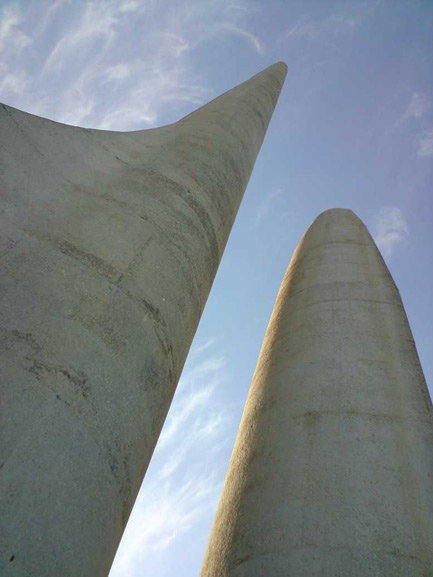
Photo: Cherry Bomb
Taal Monument, Paarl
2008
Photo: Cherry Bomb
Taal Monument, Paarl
2008

from the Facebook album, Death in Chelsea
2007
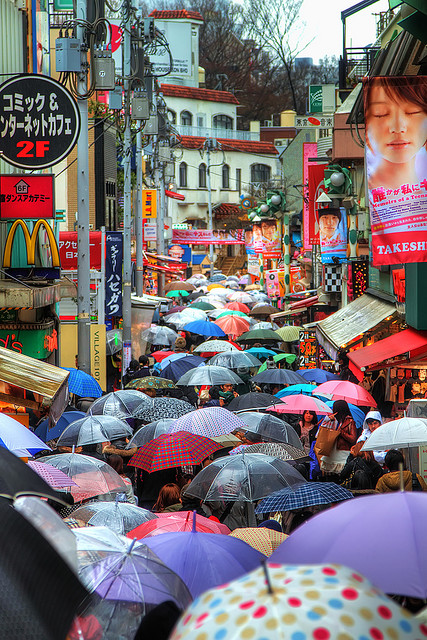
Agustin Rafael Reyes – Takeshita Doori
2010
A rainy weekend in Tokyo turns the famous street in Harajuku into a river of umbrellas. It’s this kind of day in Cape Town today, too, although the streets are never this populous. Check out more of Reyes’ photography HERE.
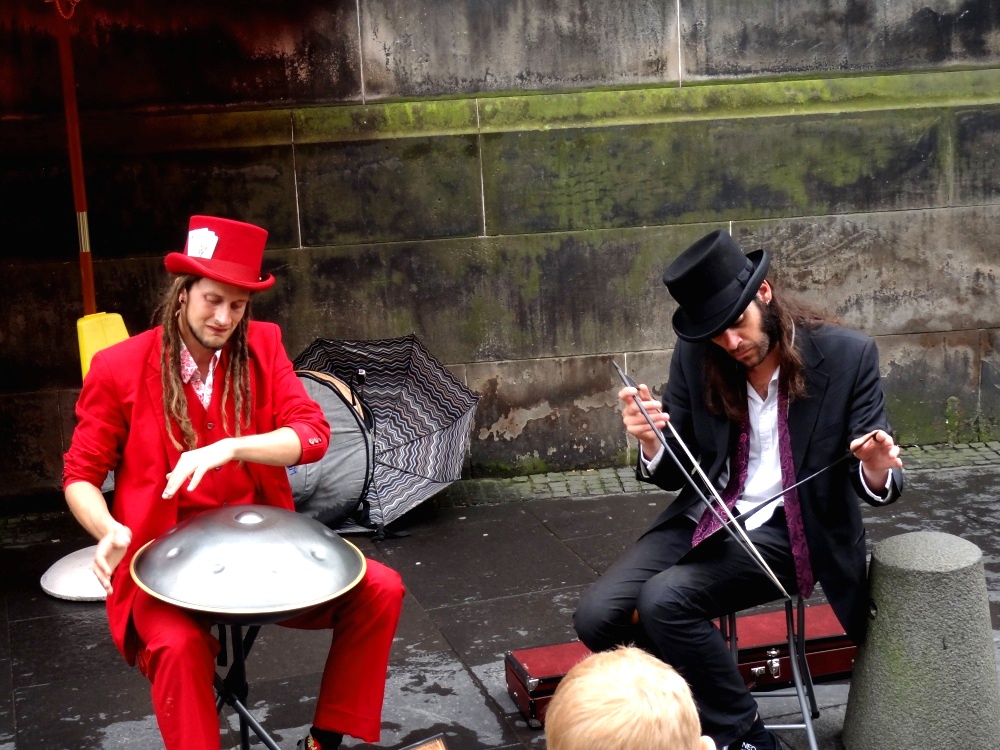 photo Derek Davey
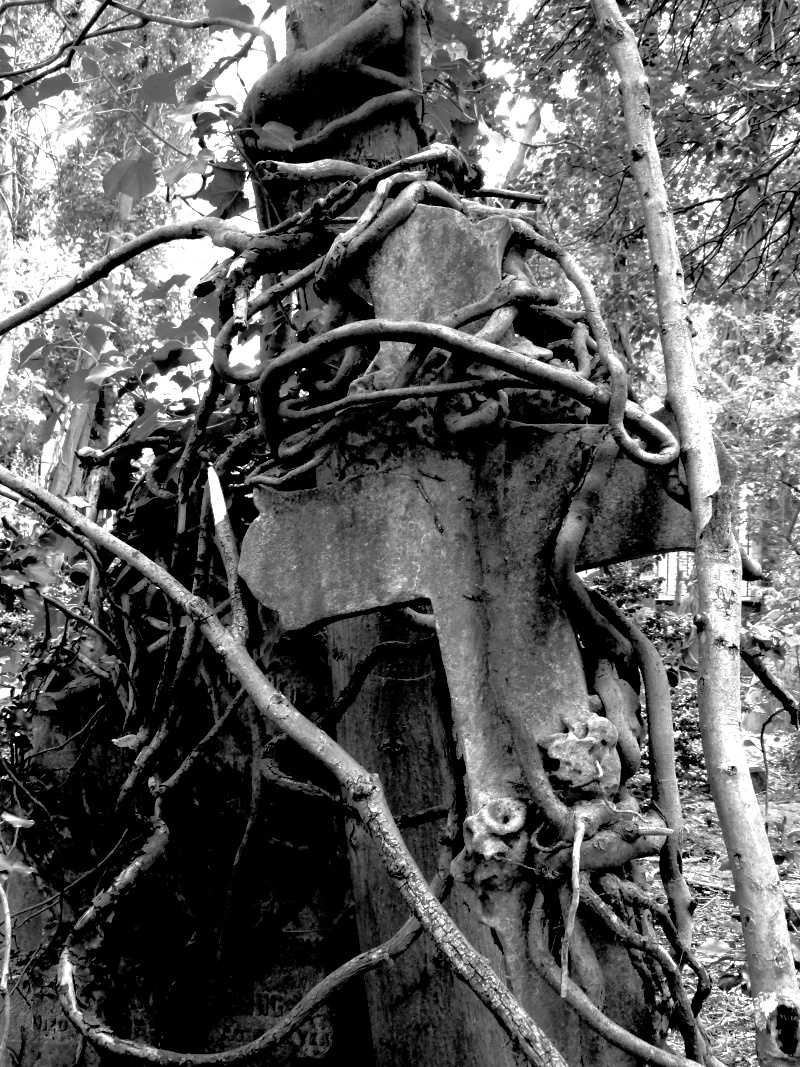 photo Derek Davey
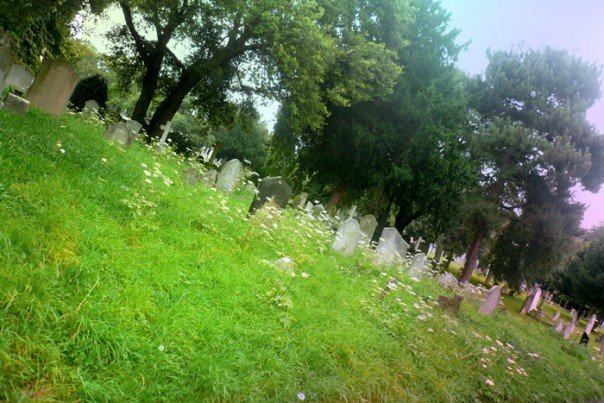
From the Facebook album, Death in Chelsea
2007

from the Facebook album, Death in Chelsea
2007

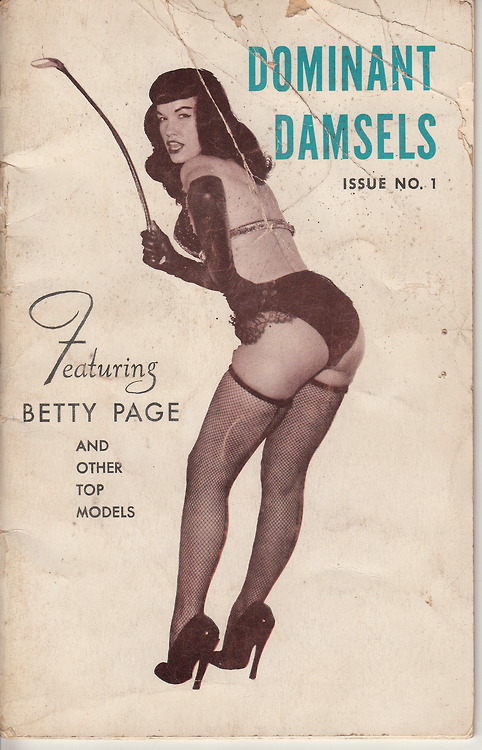
Some self-portraits by gender bender Claude Cahun
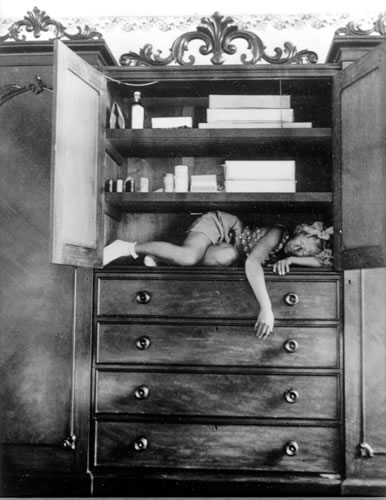
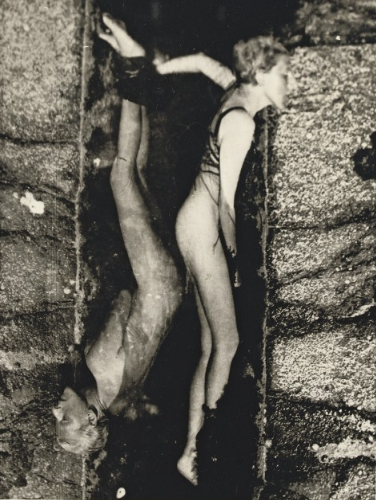
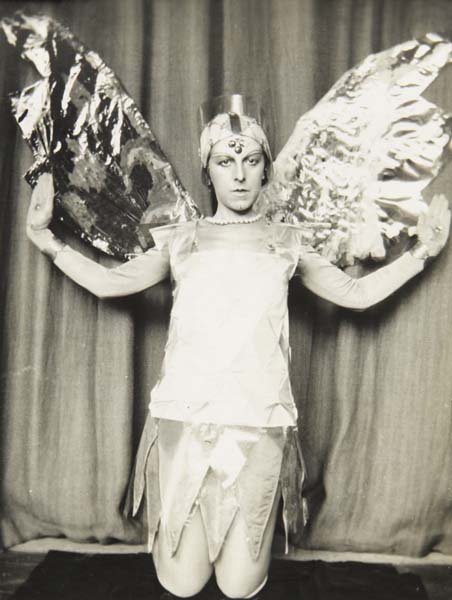
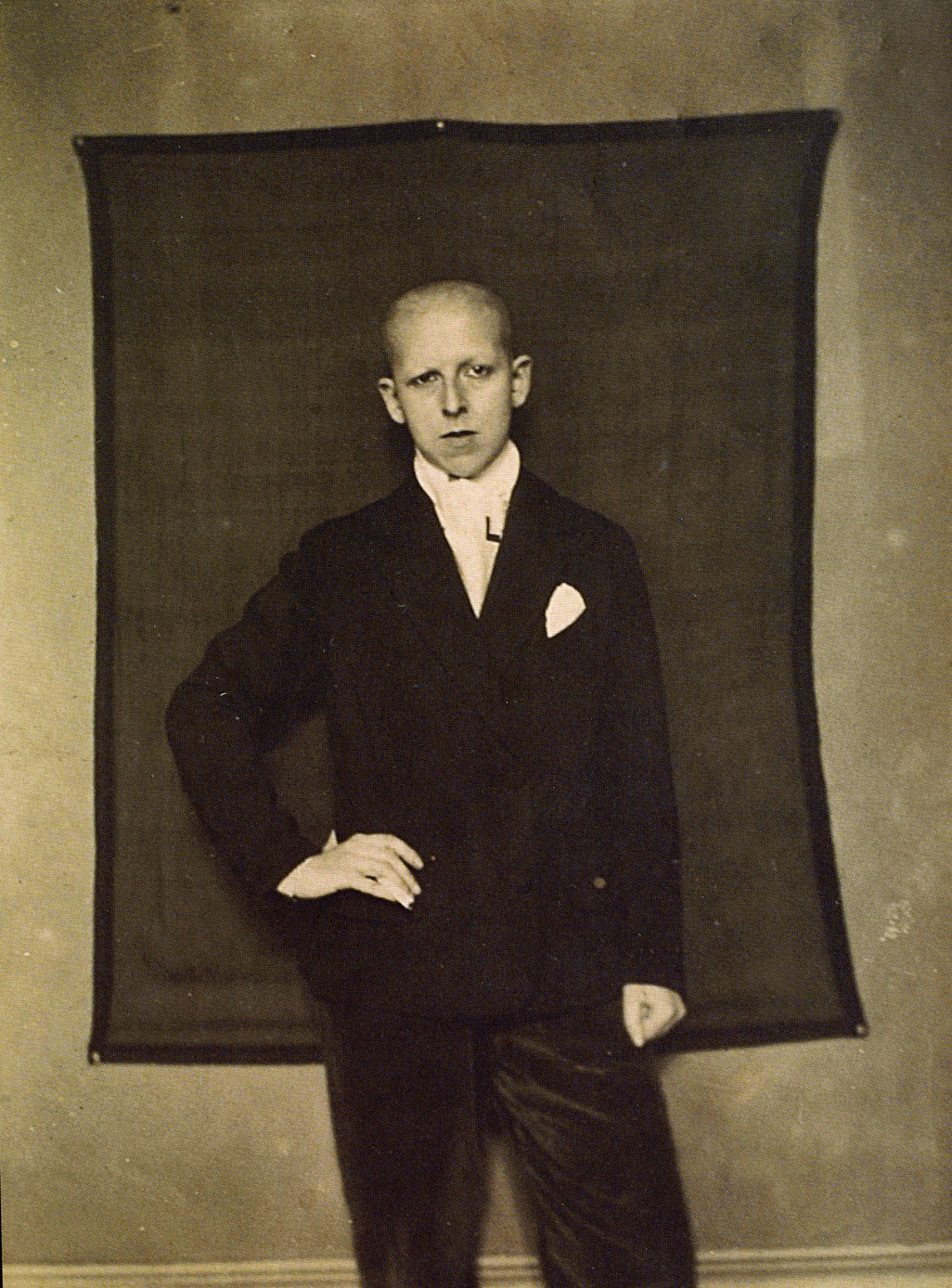
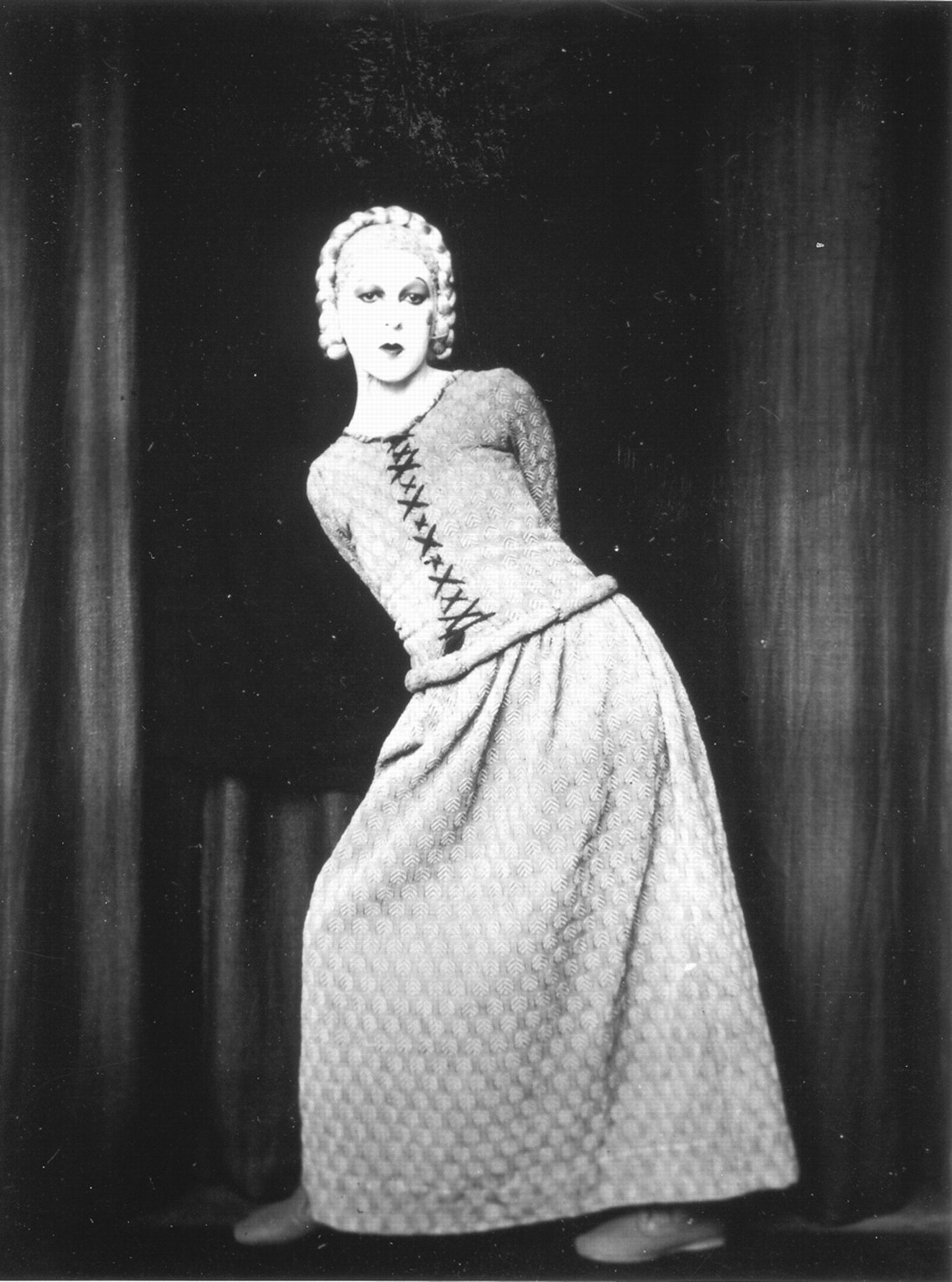 Early self portraits as a young girl here
An overview worth viewing here
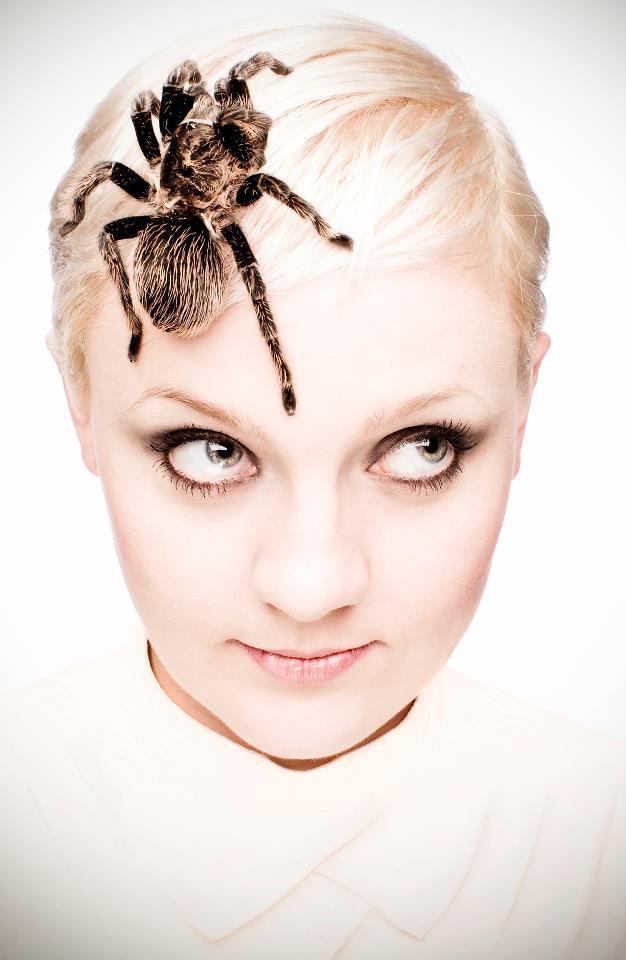
Sarah and a Tarantula (2012)
Photograph: Caroline Burne
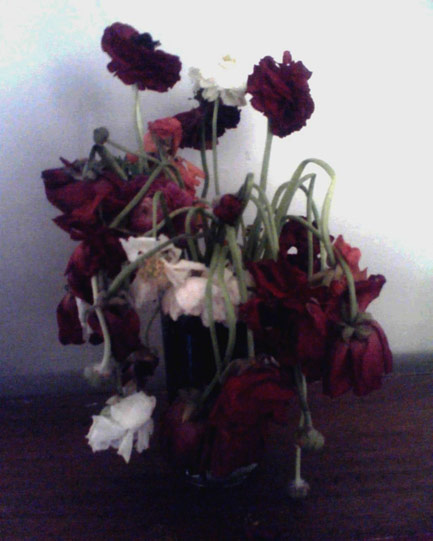
Anemones
2006
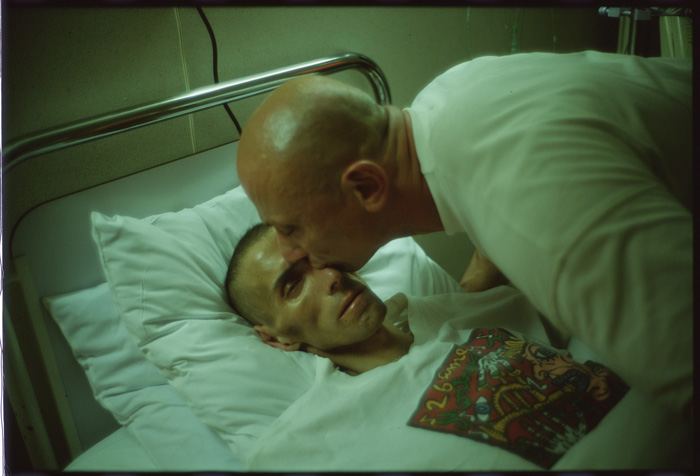
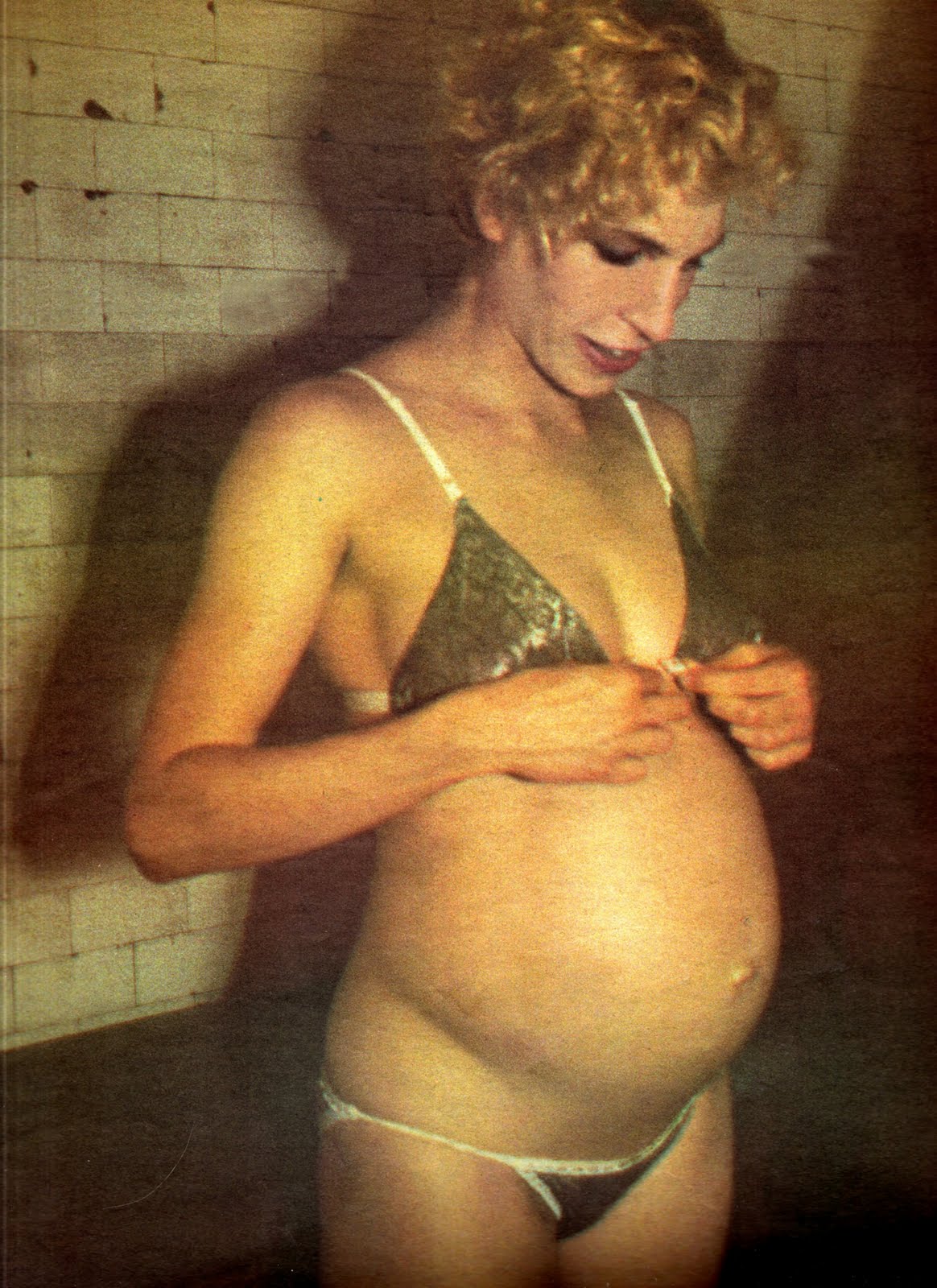
As a teenager in Boston in the 1960s, then in New York starting in the 1970s, Nan Goldin has taken intensely personal, spontaneous, sexual, and transgressive photographs of her family, friends, and lovers. In 1979 she presented her first slideshow in a New York nightclub, and her richly colored, snapshotlike photographs were soon heralded as a groundbreaking contribution to fine art photography. The Ballad of Sexual Dependency—the name she gave her ever-evolving show—eventually grew into a forty-five-minute multimedia presentation of more than 900 photographs, accompanied by a musical soundtrack.


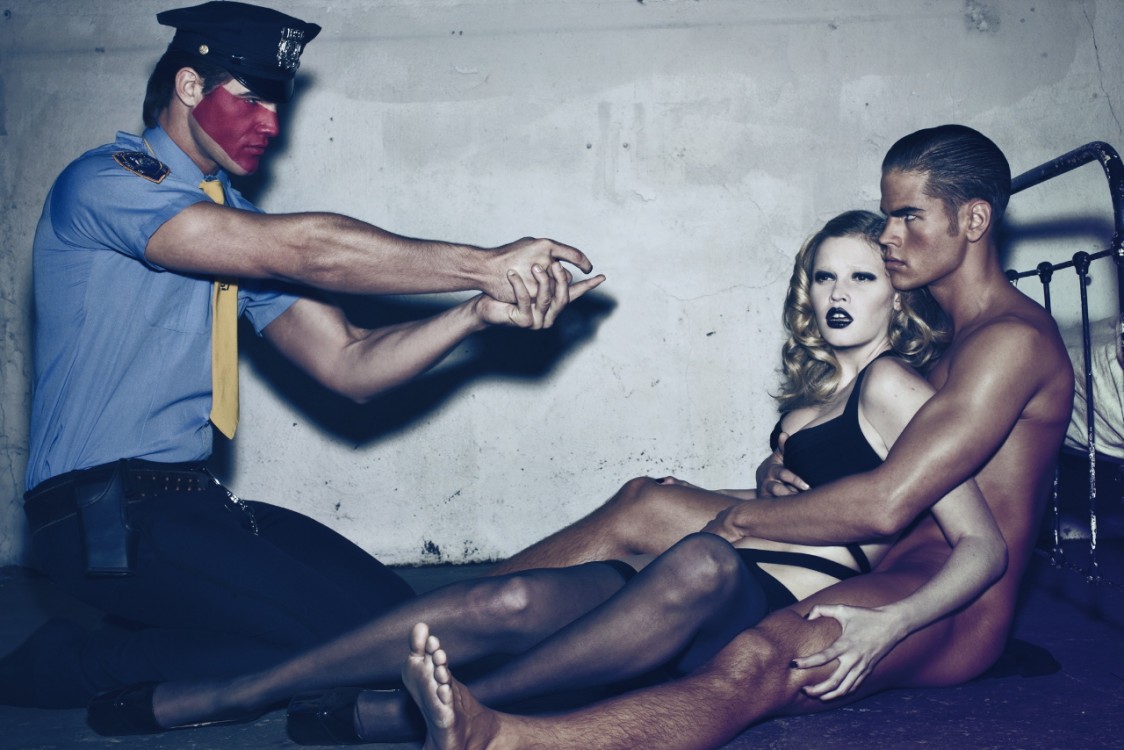


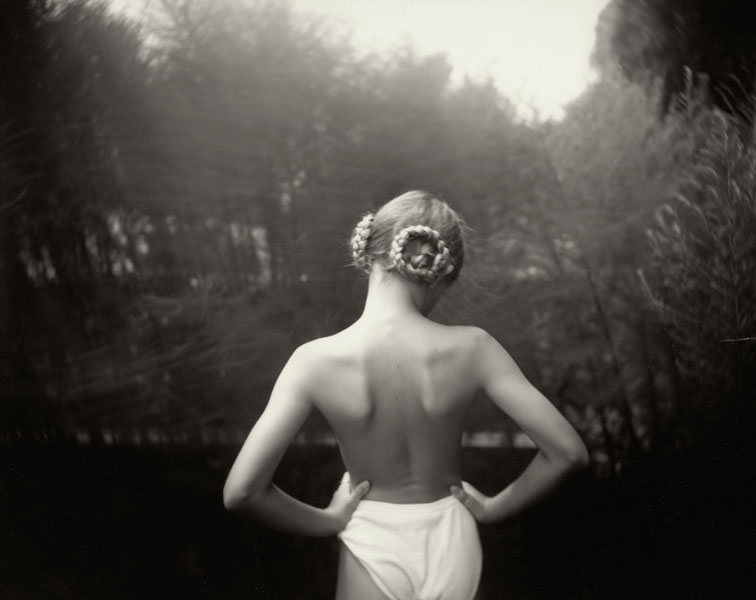
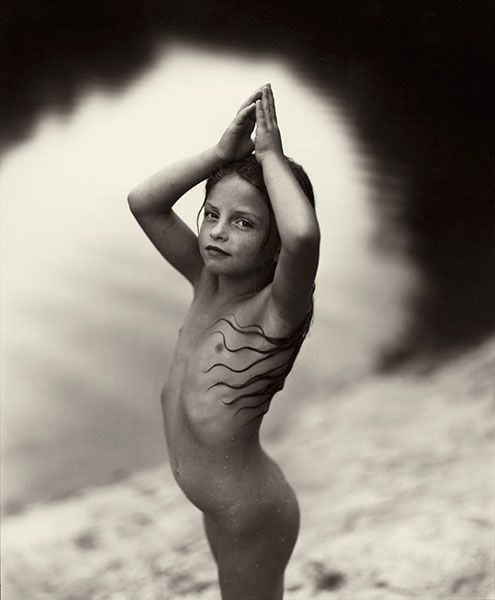
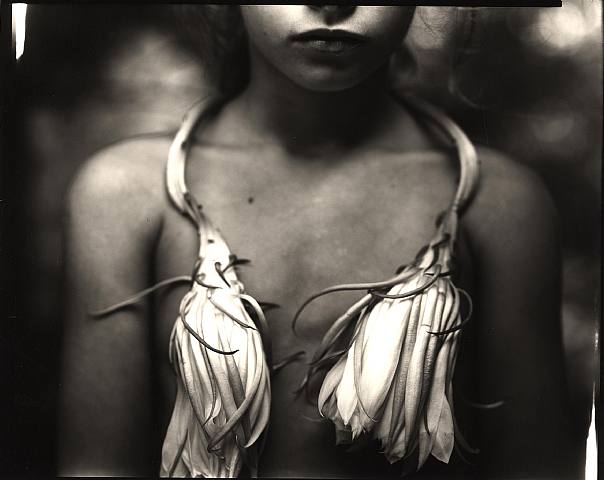
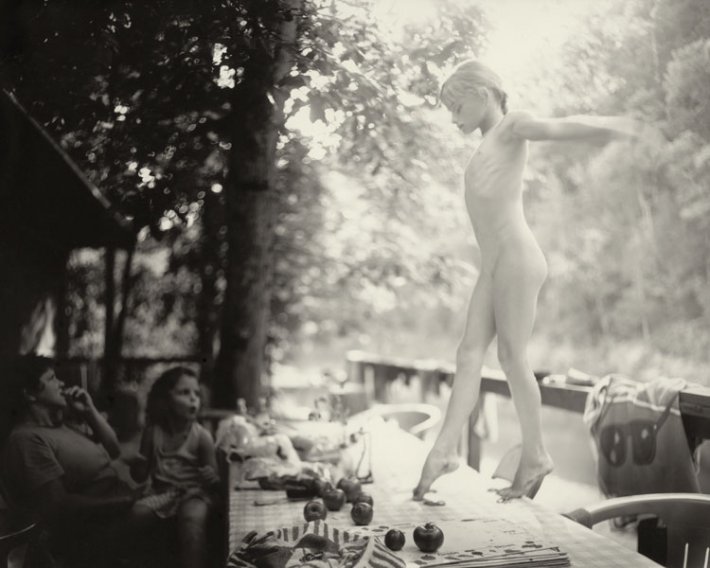
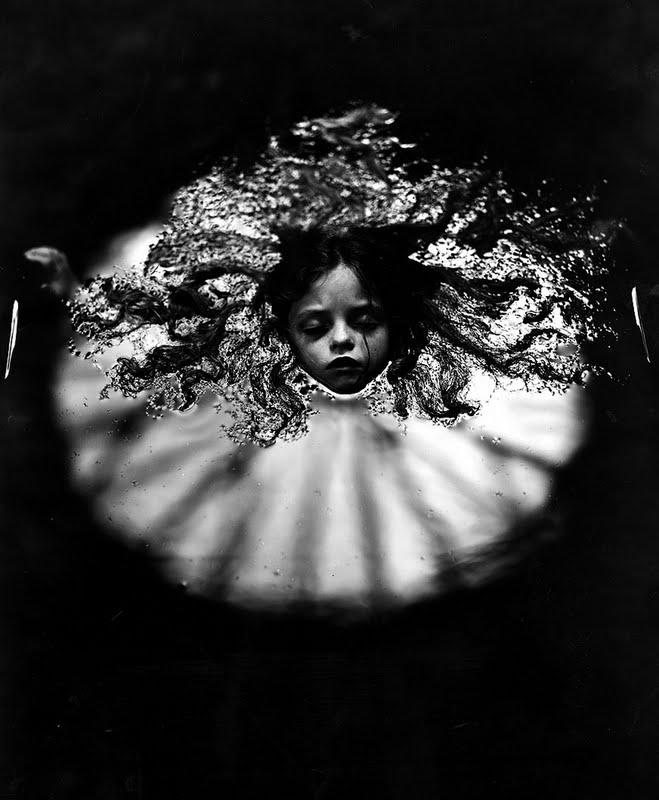
Sally Mann´s photos are magical reflections of people and landscapes. She takes incredible photos of her kids. See her website here.
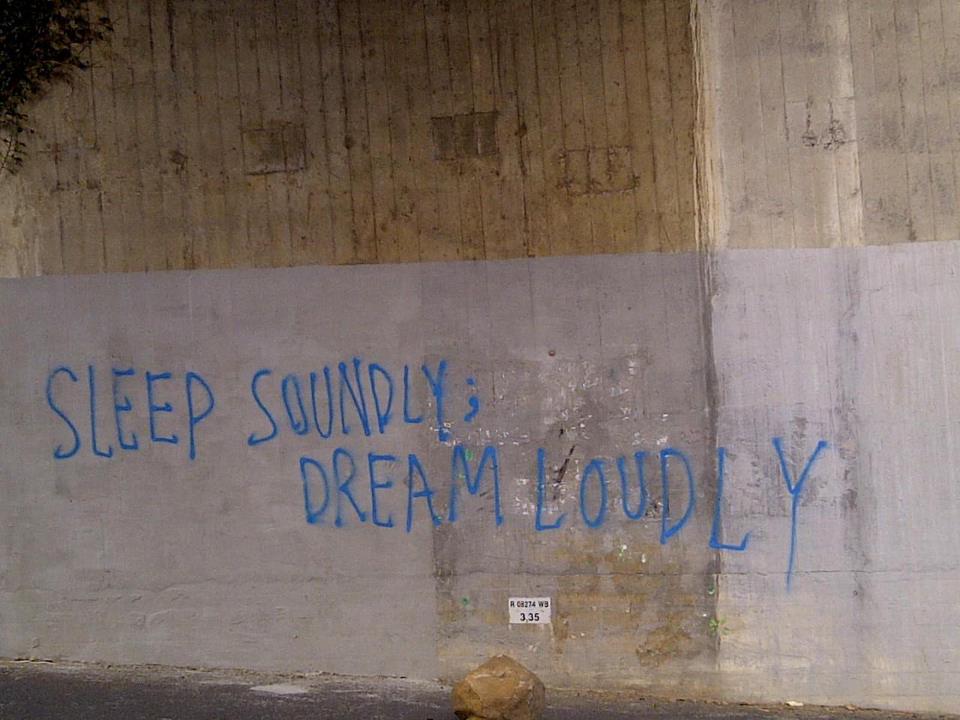
Graffiti under the flyover, Roeland Street, Cape Town
March 2012. Photo: Rosemary Lombard
I just love the ´dirty´work of Chadwick Tyler. These photos were part of his exhibition ´Tiberius´, 2009.
“Every project I do revolves around the model, “the girl.” For me, to work with a model is to find a connection, to develop a mode of communication & to create a relationship, in order to draw what is within her out to the surface. My job is to enable a model to feel comfortable being vulnerable in a way that shows up on camera. Documenting the range of a girl’s personality that emerges is everything to me; especially when it’s something she didn’t know was there.” – Chadwick Tyler
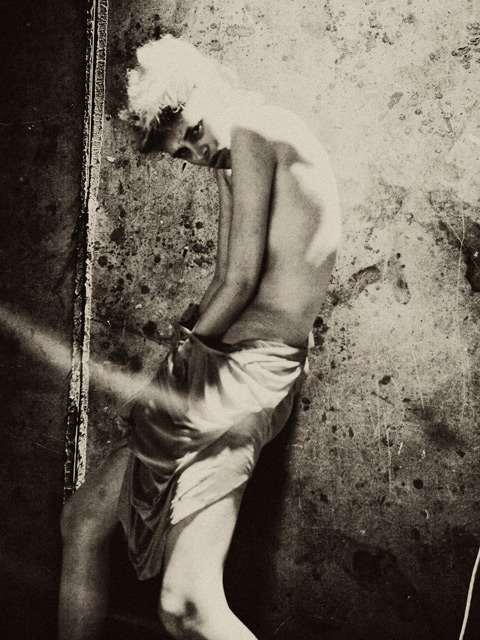

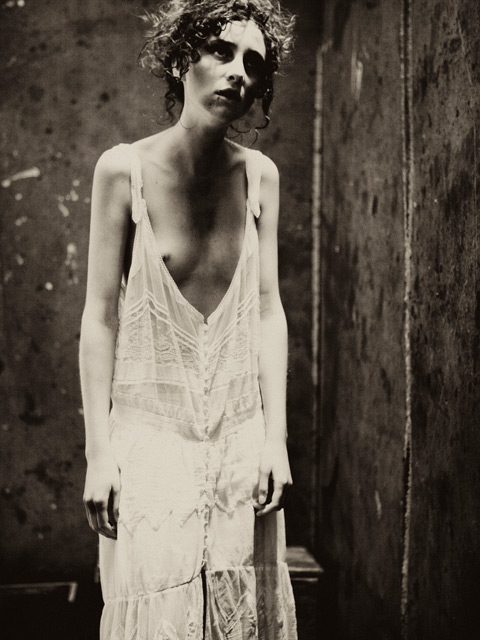
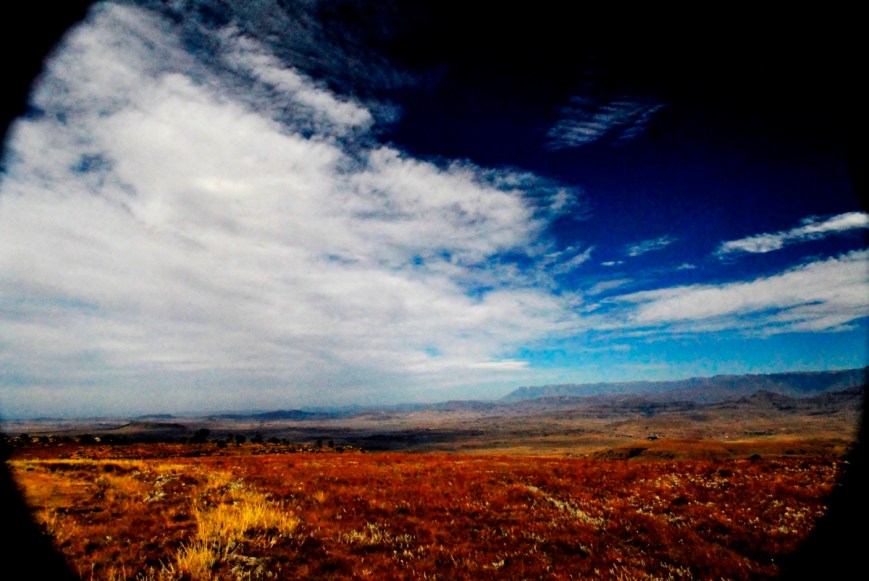
Image: Inflected Landscape by Arlyn Culwick
So, young Death, what could you be?
Even my father’s cancered body
brought me no sightless terror at eternity.
I suspect you have no sting.
Perhaps you, old splinter in the heart of love,
never were more than mirage,
though love would need you –
necessary certain death –
as a nail for a cross,
and cross and nail and Christ and
resurrection
are all love –
the ever-dying eternal life of all.
If so, where would you go,
you much-maligned seed of beginnings?
Youngest purveyor of life,
always exactly zero years old –
ever painted Grim Reaper,
thief of loved ones,
skeletal with age and demon-haunted.
You, unknowable ultimate horizon,
ear-whisperer of the infinite terror of endings,
do not impart any evil
except perhaps deluded dread.
You would go to a greater whole
of which you are inseparably part,
for shapes without space,
age without time,
or nails without crosses,
have no significance.
Thus you, youngest innocent death
are as much your own as the terror of
a darkened room:
mere mirage,
as seemingly all-powerful
as its infinite inscrutable blackness
and the child-fantasy it feeds.
You are love’s very vehicle.
Flesh for sacrifice, in dying,
is meaning-embodied matter –
is substance made significant –
surrendered, emptied, dissolute,
but never for itself, nor for nothing;
always for all,
for everything made sign;
spirit, soul, and soil pervaded
by kindest, complete kenosis,
all-originating, all-resurrecting.
Only silliest oldest humanity,
children trembling sightless in their beds,
give shadows a scythe and empty eye sockets
and forget the bedroom’s sturdy walls.
Check out Arlyn’s blog HERE.
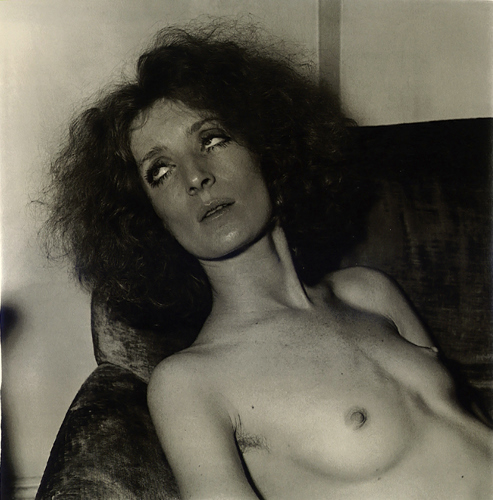 Superstar at home NYC, 1968 by Diane Arbus
During Diane Arbus’s funeral, the photographer Richard Avedon turned to a friend and whispered, ”Oh, I wish I could be an artist like Diane.” The friend, Frederick Eberstadt, answered, ”Oh, no, you don’t.” Their brief exchange – as recounted in Patricia Bosworth’s biography of Arbus – raises the charged questions surrounding the tormented, even self-destructive, creative artist. Chief among them is where reality ends and mythology begins.
Arbus personified the artist whose inner turmoil – depression, dislocation and a taste for risk bordering on a death wish – fueled her creations, those moving and disturbing photographs of drag queens and hermaphrodites, celebrities and Siamese twins. But Arbus was also a woman defeated by depressions so debilitating she often could not work and, ultimately, chose not to live. Finally, Arbus represented an artist who gained more fame, who was indeed romanticized, more for living on the edge than for the artistry she brought back from that emotional frontier.
It is no wonder, then, that Arbus – that the entire issue of the ”mad artist,” as the awful cliche has it -should both attract and repel, as it has for literally thousands of years. Aristotle spoke of ”divine madness,” Renaissance scholar Marsilio Ficino of the ”Saturnine temperament.” The playwright August Strindberg declared that few people were ”lucky enough to be capable of madness,” and the poet John Berryman opined, ”The artist is extremely lucky who is presented with the worst possible ordeal which will not nearly kill him.”
Read more of Samuel G Freedman´s text here
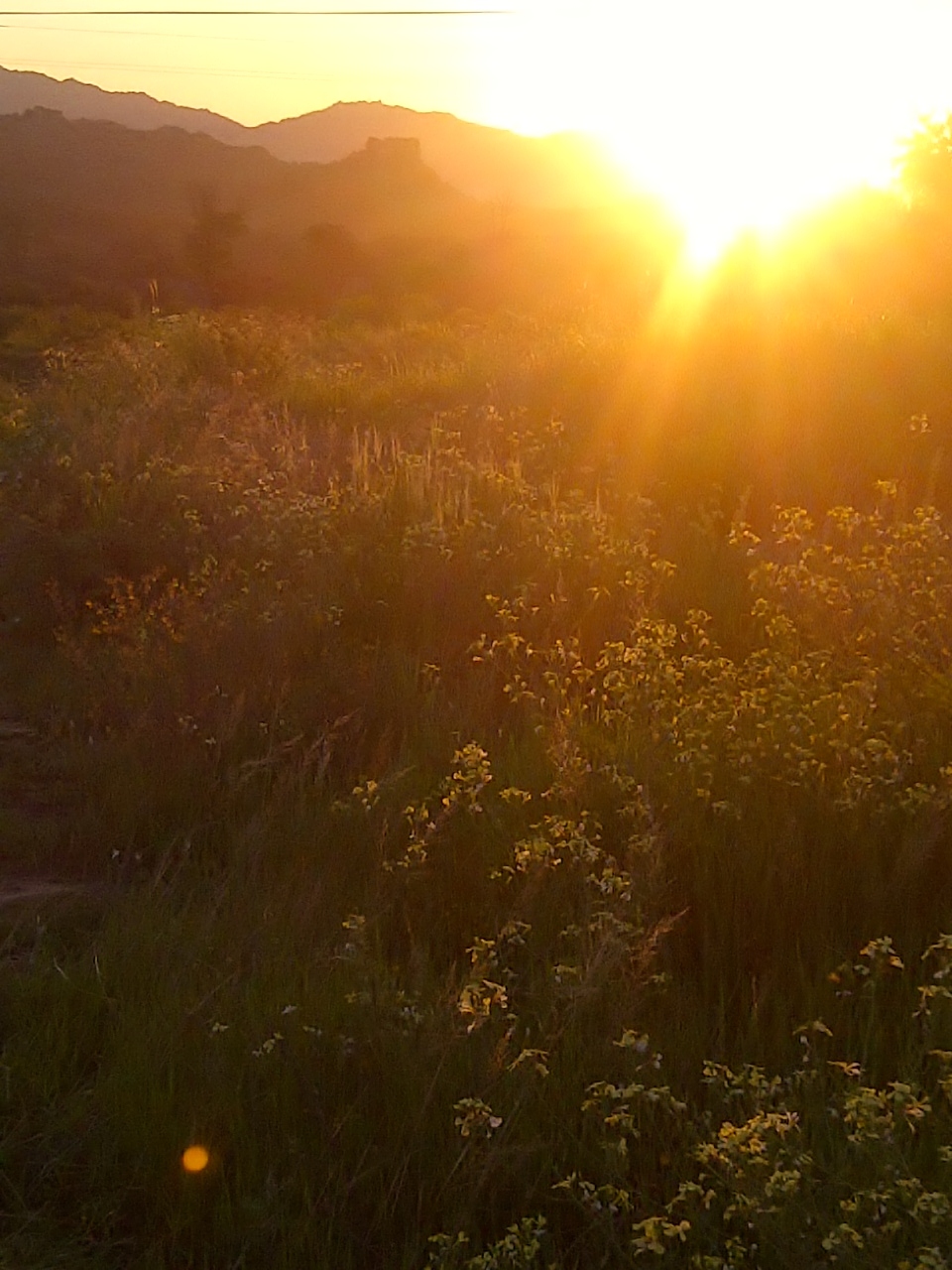
I wish my cell phone camera could do the breathtaking beauty of yesterday’s sunset more justice… It was exquisite.
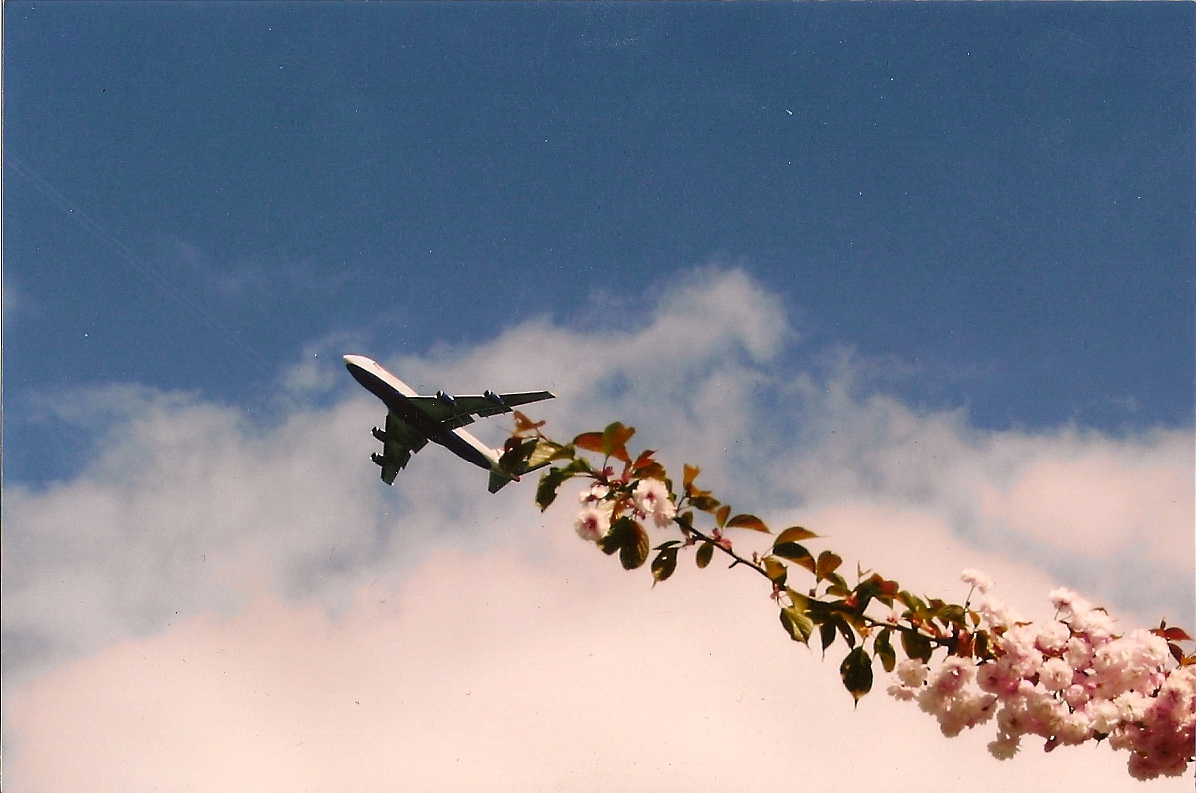
Photo: found at http://wineandbowties.com/


 fleurmach
