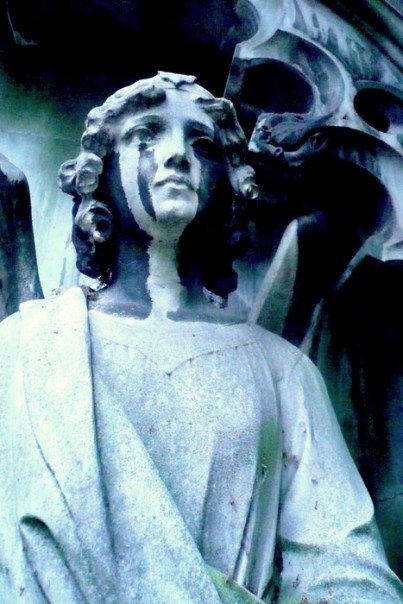
but a fleeting touch

But a Fleeting Touch
Jessica Tremp

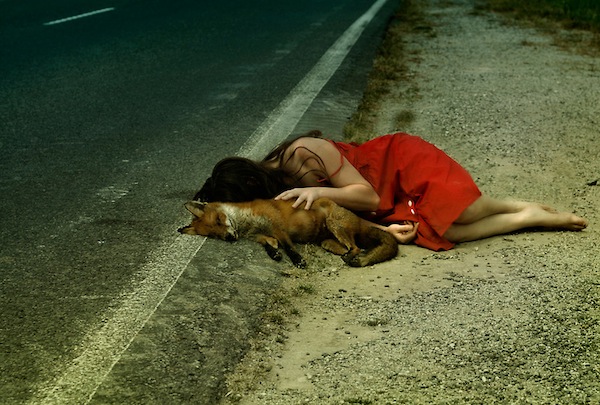
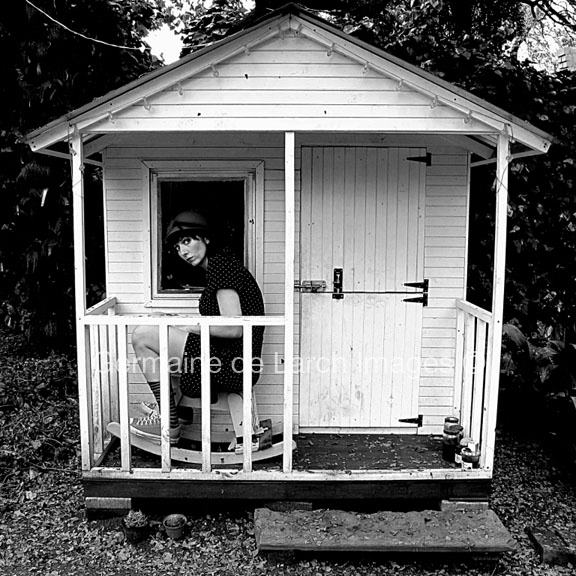
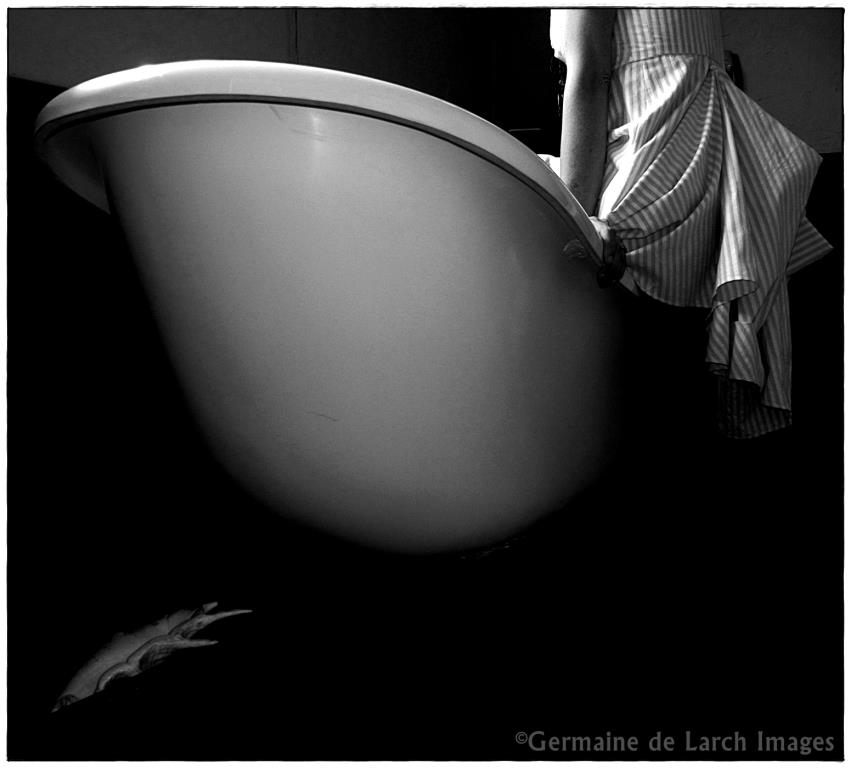
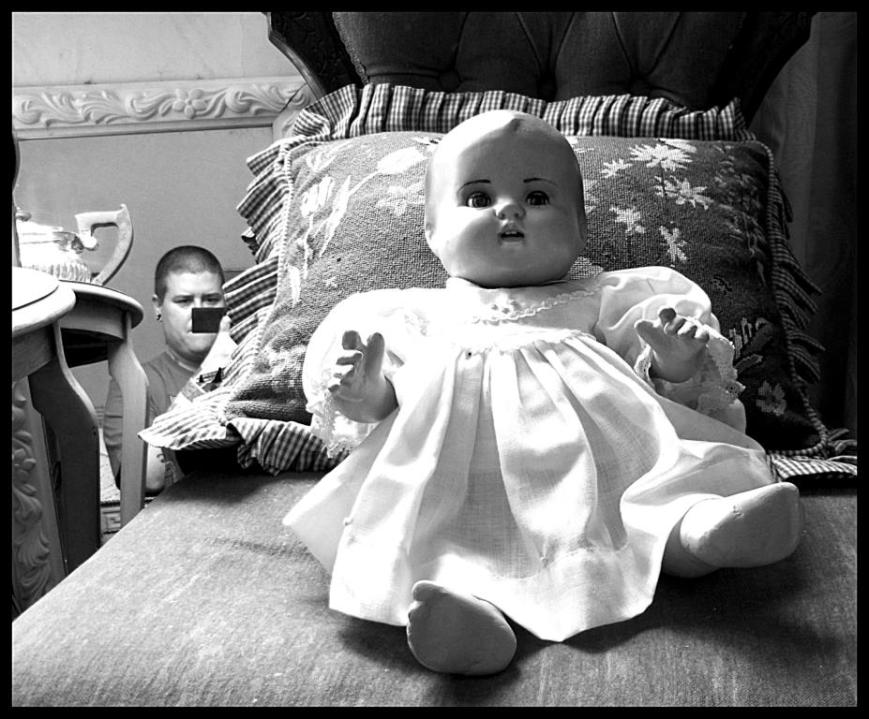
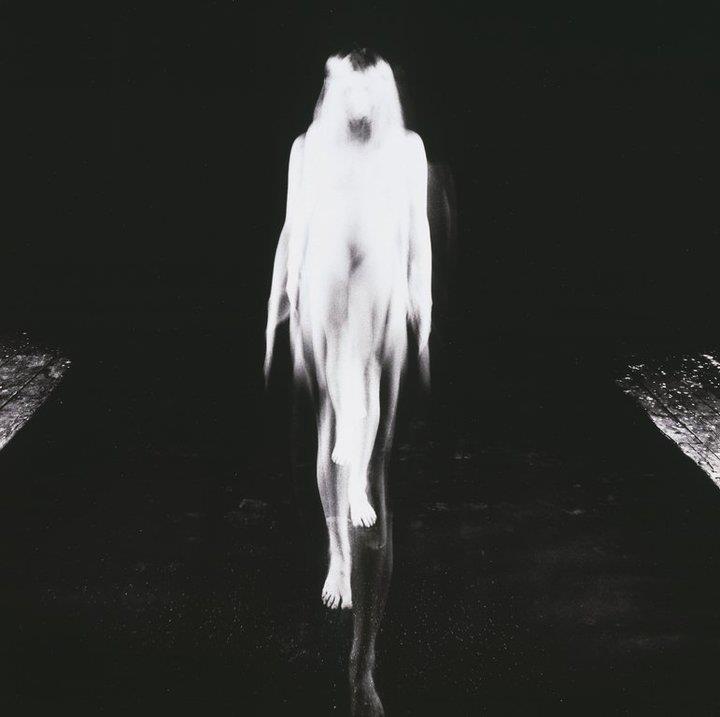
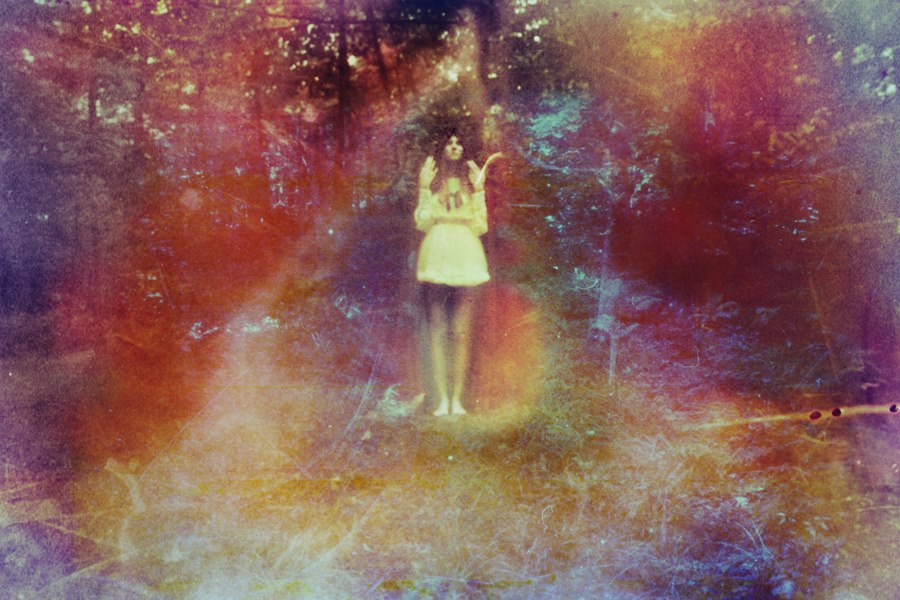
Melbourne photographer Jessica Tremp captures life in a haunted woodland.

“When I was little I used to dream about being a dancer or that I could fly,” Tremp explains. “And that I would learn to speak the language of the animals in the forest or that of the most dramatic actor. With the click of a finger I’ve found a way to make these things come true.”

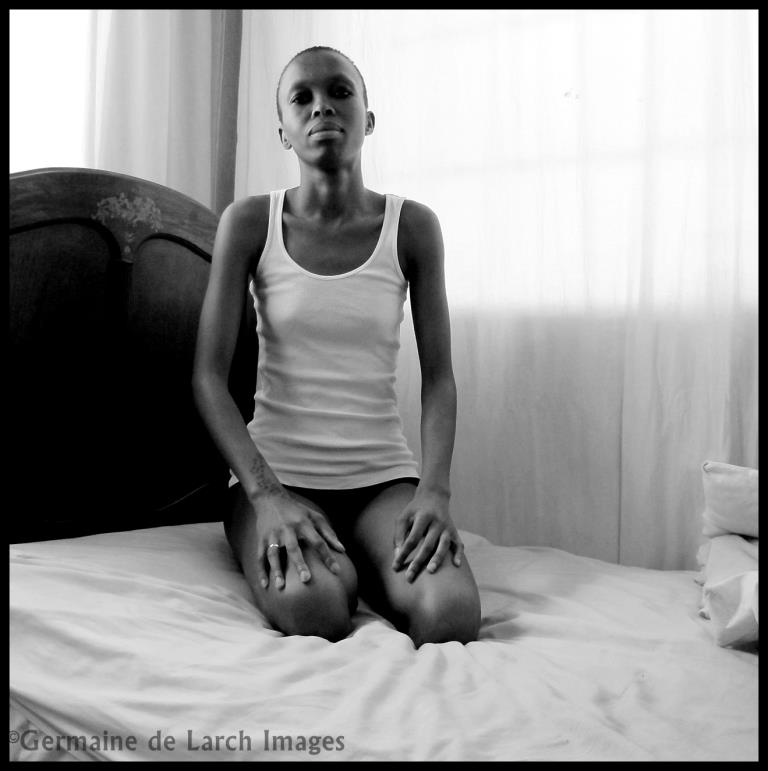
the woman in my life – playing with the concept of the feminine

Image

Rapunzel

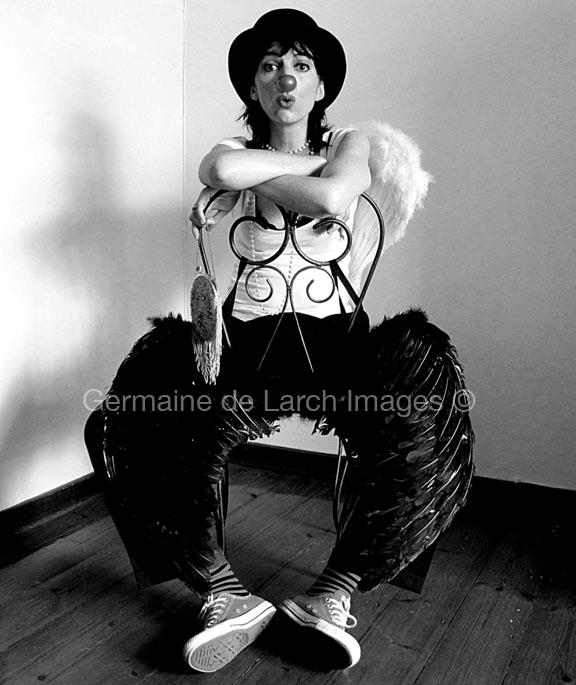
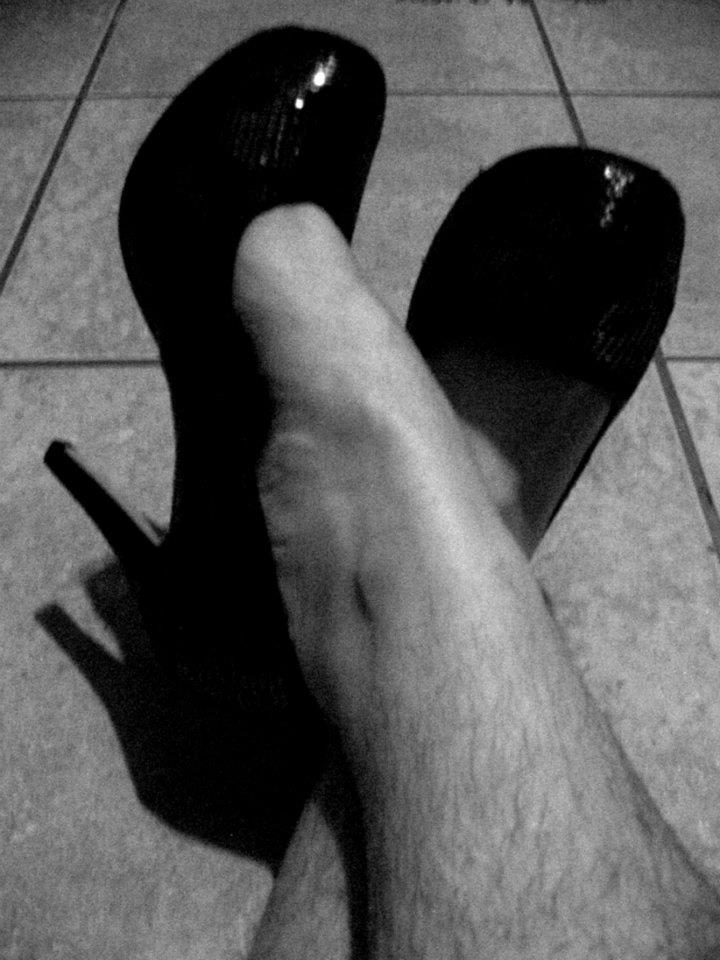
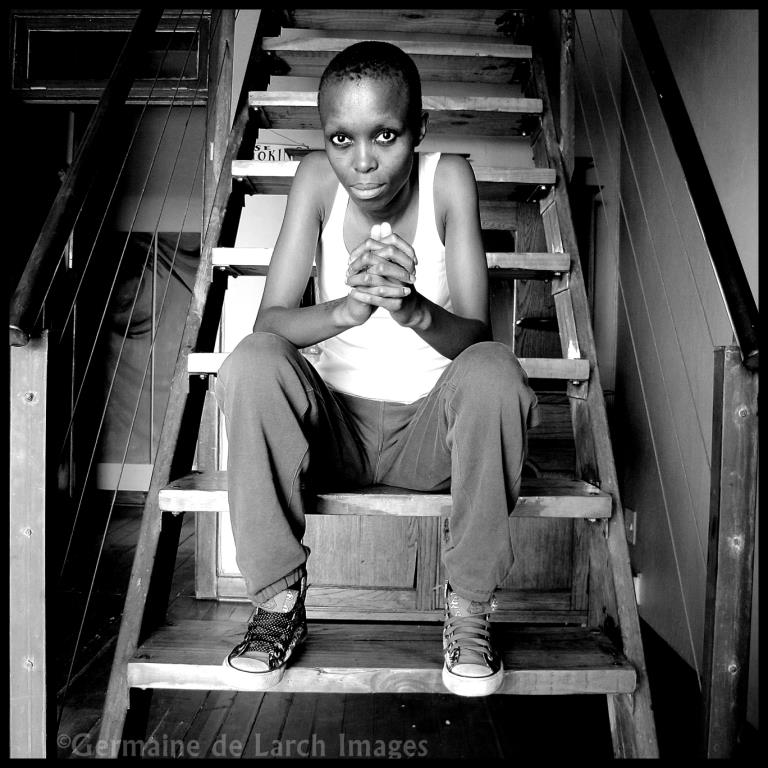
Grabbing my identity by the throat has allowed me to play with other identities in the space of play and performance. Being more secure in how I identify in terms of gender identity, gender expression and sexual orientation has allowed me the freedom to explore my boundaries: what I’m comfortable with and how far I can push myself.

Up until two years ago I found the feminine cloyingly repulsive and unnatural. My mother’s attempts to feminise me always left me feeling exceedingly uncomfortable, and I clearly remember the hideousness of my matric dance outfit and how I felt like a drag queen, and yet not, because it was an enforced drag, not the drag that stems from a place of play and a sense of security in one’s own gender.

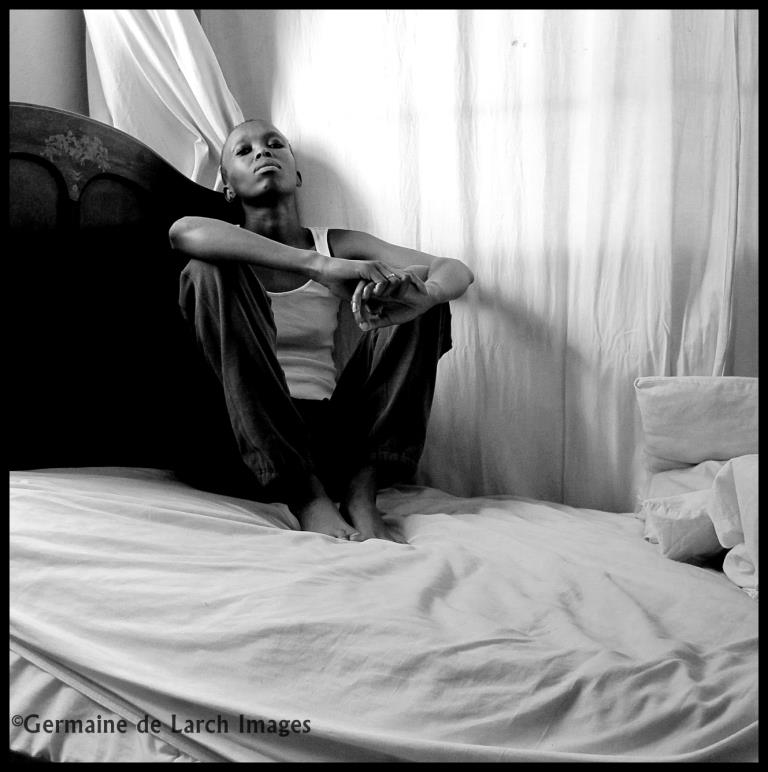
Image

Playing the Femme Fatale, I

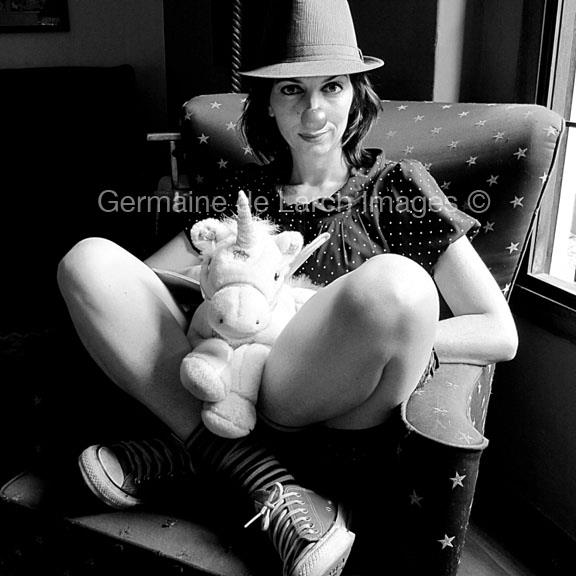
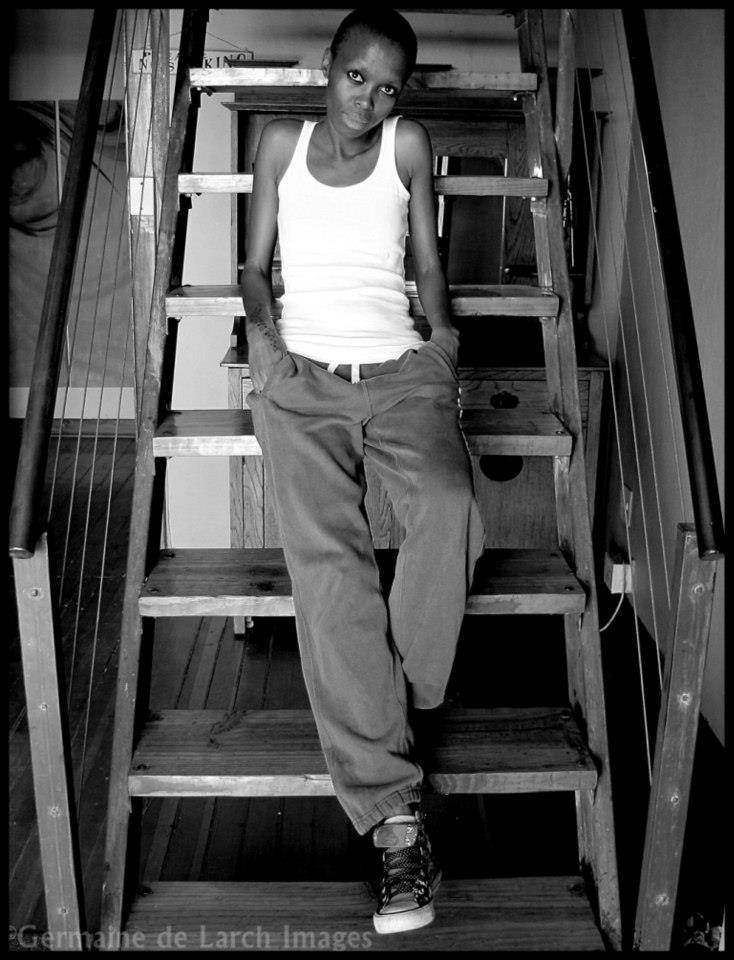
Since beginning the photographic project of documenting my play with gender, I have experienced conflicting emotions and reactions to placing myself within a feminine frame. Firstly, I found myself approaching the feminine from the space of play, experimentation and boundary testing. The idea of donning the feminine has been more exciting and less frightening, and I’ve truly had fun with and loved the experience of seeing the photographic results. The artistic process has thus been very revelatory and enjoyable.

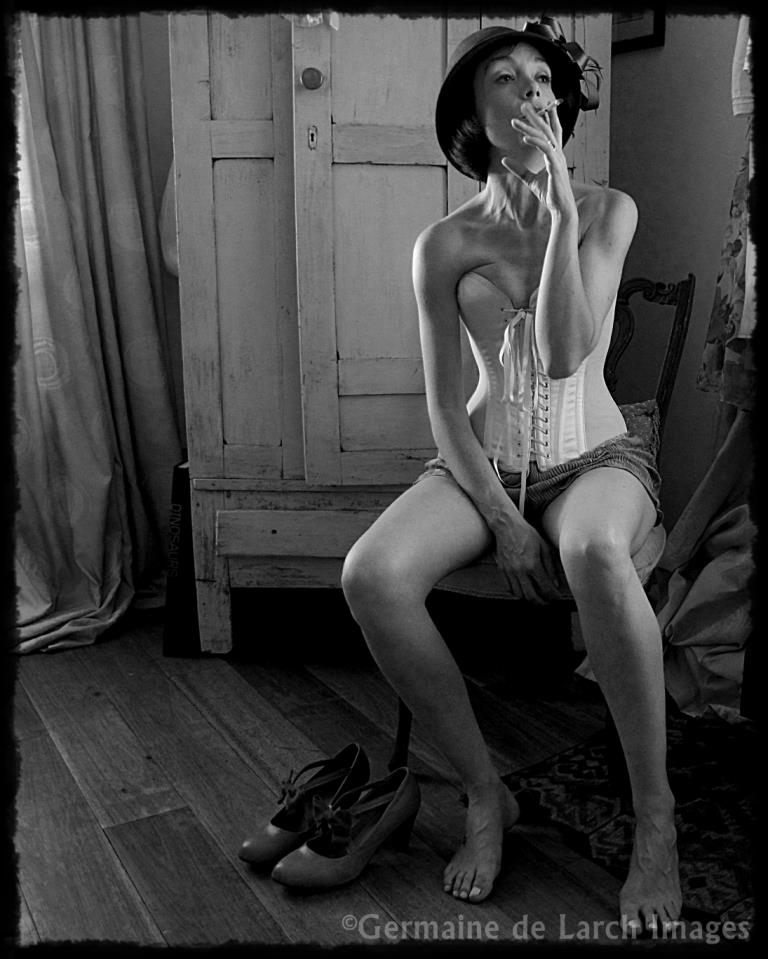
Image

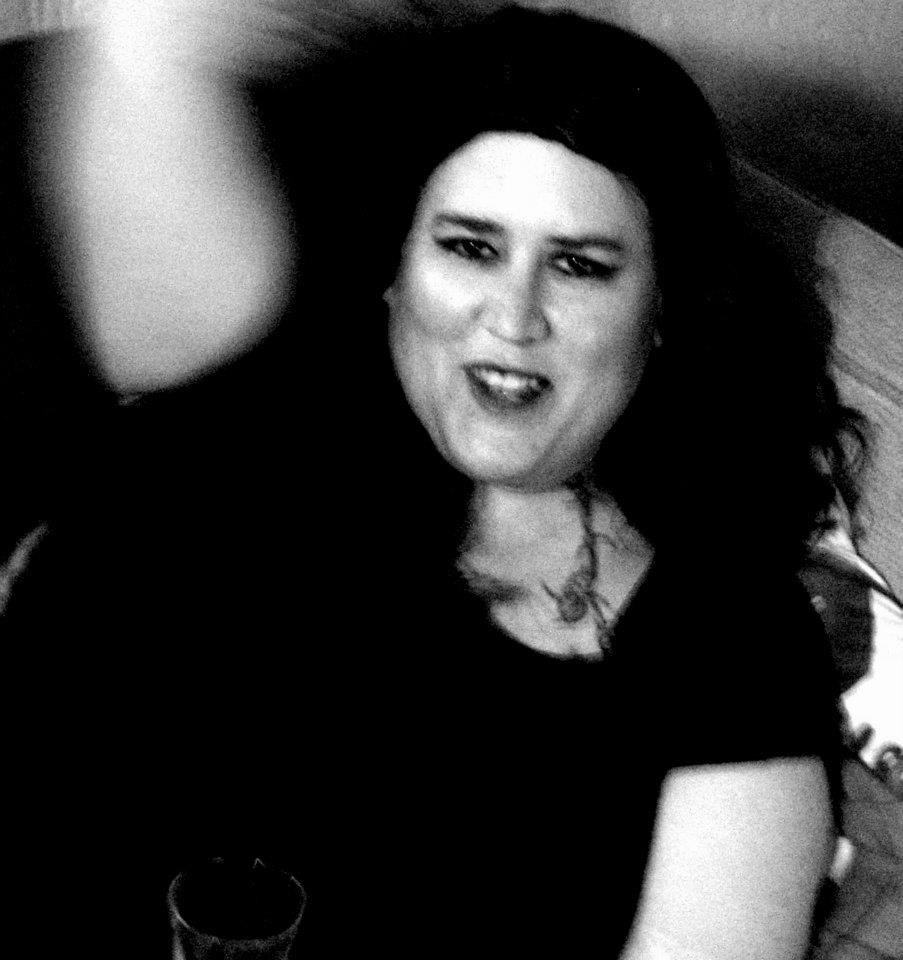
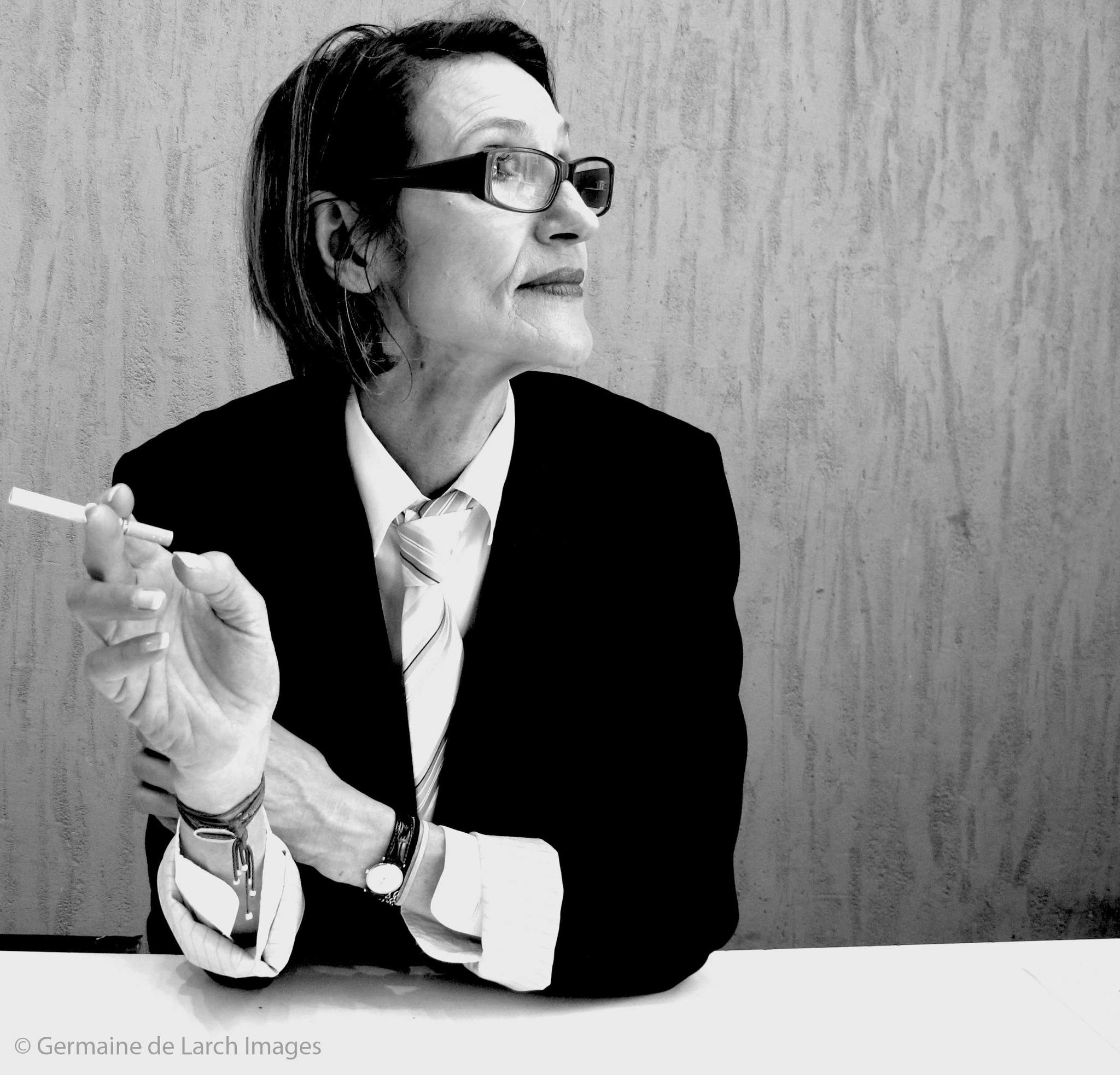
My Greta Garbo Moment

The physical experience, the experience of my self apart from the artistic process, has been difficult. I’ve been able to perform the feminine to the extent of playing with costume, props and make-up, but have been unable to perform feminine characteristics, behaviours, mannerisms and poses. Along with the wigs, dresses and shoes, I am still visited by those old feelings of intense discomfort, a sense of not being me, of having an otherness enforced on me. Even in the privacy of my own home with only me to witness my transformation, I am unable to express a femininity that stems from me rather than the costume. One interesting thing, though, is that when I’m playing the feminine and photographing myself, I’m able to smile (almost unable not to), while in my other self-portraits smiling feels unnatural and uncomfortable. In the blurb to this blog I say that, “I approach other spaces through fearlessly exploring inner space.” Sometimes the exploration is more brave than fearless. A lot of the time my performances touch a nerve, pointing to something I still need to investigate further, approaching it more carefully in my next encounter with it. Because sometimes when staring into the looking glass, it’s not only unexplored selves that stare back. Sometimes there are demons.

Image

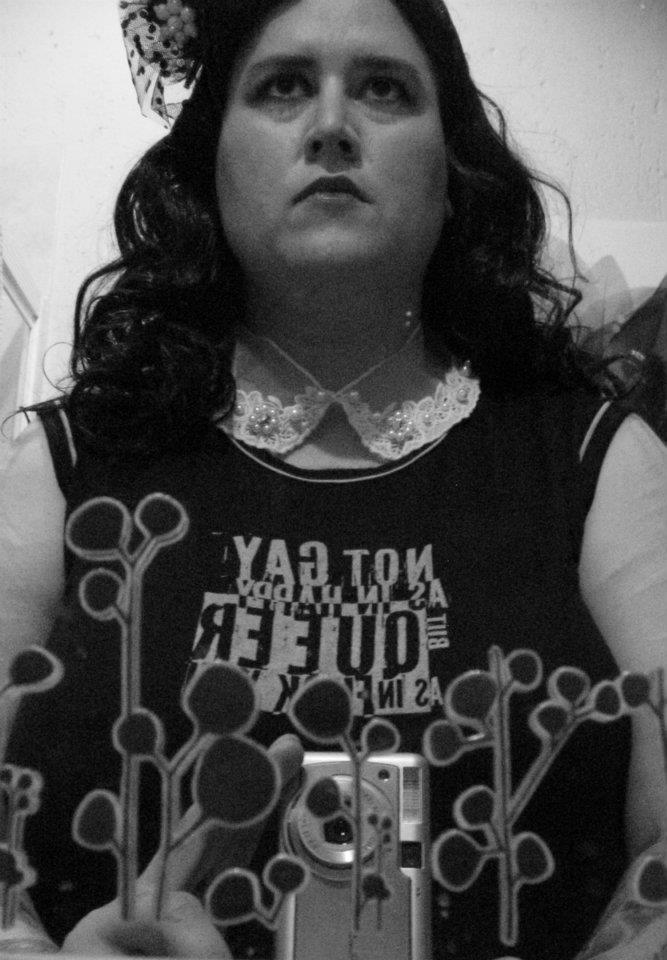
Not Gay as in Happy, Queer as in Fuck You

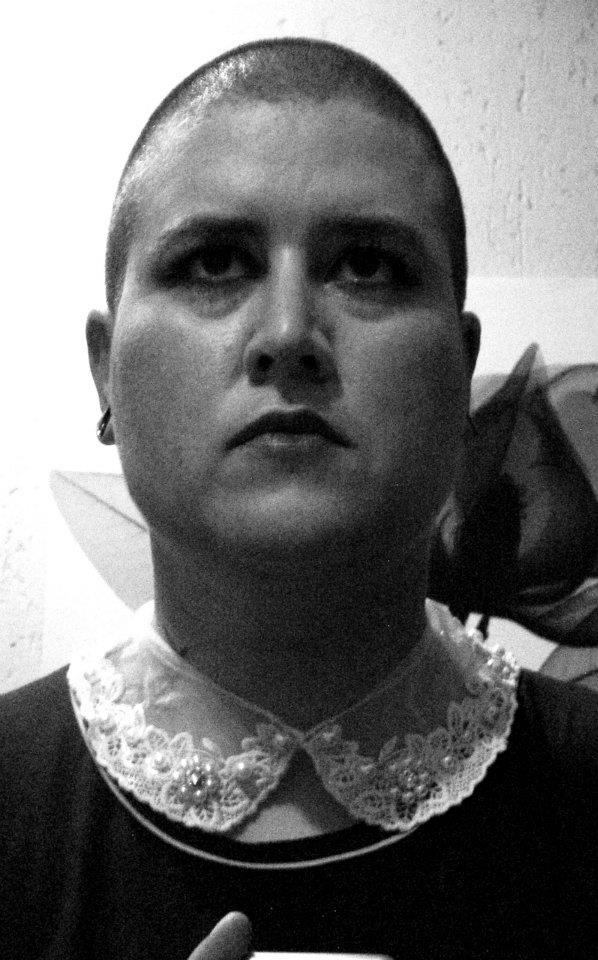
Looking back on these photos and experiments, I’m very happy with the results, because they denote a bravery that was previously unavailable to me; a sense of adventure I never had; and, a sense of playfulness I’m so grateful to have found.

Image

beatific

© Germaine de Larch Images. First published on www.life-writ-large.posterous.com

elena filatova – the serpent’s wall

Elena Filatova has created this intriguing site about the defensive walls around Kiev in the Ukraine. They were built before the Mongol invasion in the 12th Century and a huge resistance was mounted in WWII against the Germans there. It’s a fascinating read, despite her not-so-good English.

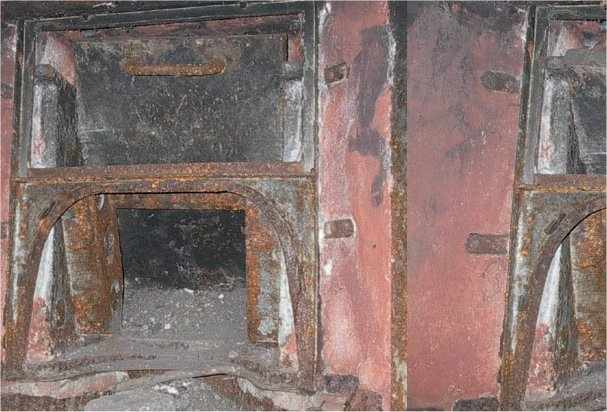
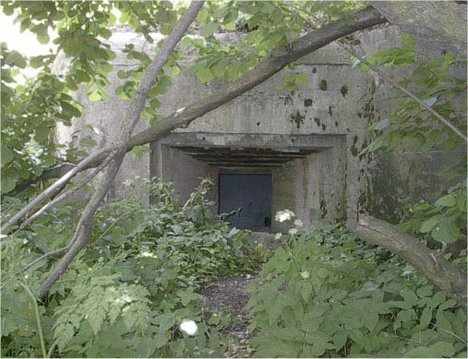
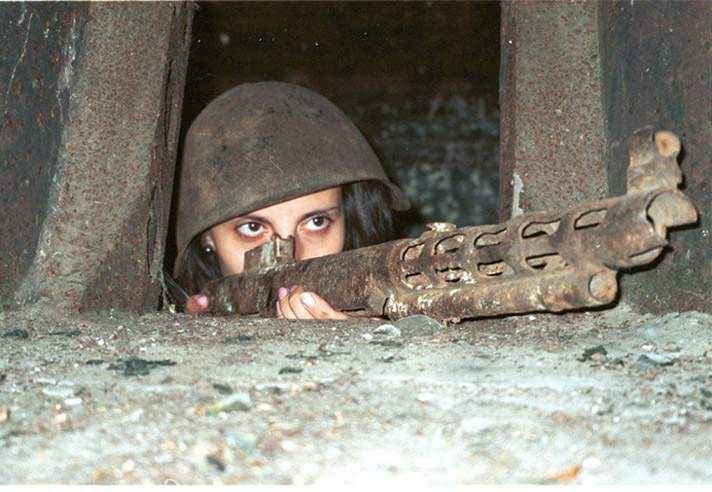
Elena and a bunch of friends spend loads of time digging for relics around Kiev. They take bikes and metal detectors and beers and camp out and play guitar at night, after digging until they drop in the daylight. They’re addicted to the thrill of unearthing old arrowheads and earrings and coins that go back thousands of years, or machine guns or helmets or grenades from massive, half-flooded concrete bunkers from the Second World War.

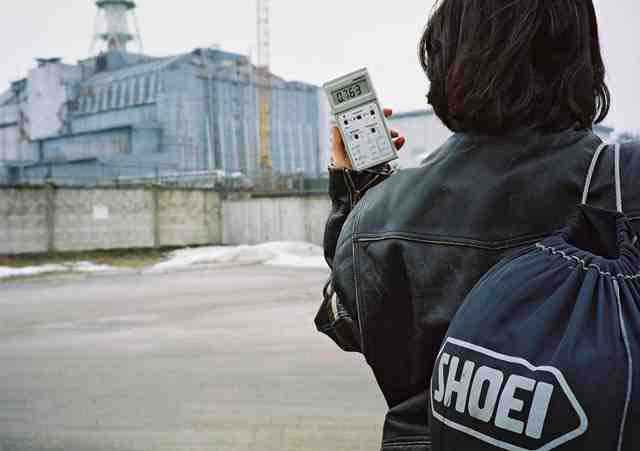
Elena, whose father was a nuclear physicist, also (apparently) rode through the Chernobyl ‘dead’ site on a fuckoff big motorbike, documenting the destruction that was left behind, including how the ‘liquidators’ were sent in to seal the site and how many died later as a result of massive exposure to radiation. It’s all on kidofspeed.com. There has been a lot of speculation on the Net that Elena didn’t actually ride through the Chernobyl zone on a bike. Some writers on sites like Wikipedia suspect her story is a hoax. But even if she did go as part of a tour, in a car, her photos are nevertheless real, and so are the stories they tell, for instance, of people who refused to leave, who have mostly since died… “I would rather die at home from radiation, than die in an unfamiliar place of home-sickness,” as one old man put it… Stories of an area of the earth that will be polluted for the next 48 000 years…

Elena has also documented experiences of Russian prisoners – you can find these on Echoes of Trapped Voices – with titles like “Shoveling diamonds up the arse of one’s own destiny”. If you do enough trawling on the Net, you’ll find she’s written about a host of topics, from the nuclear disaster in Japan to the London bombings. She is sure one fascinating, free, unusual hell of a woman.

men-ups!

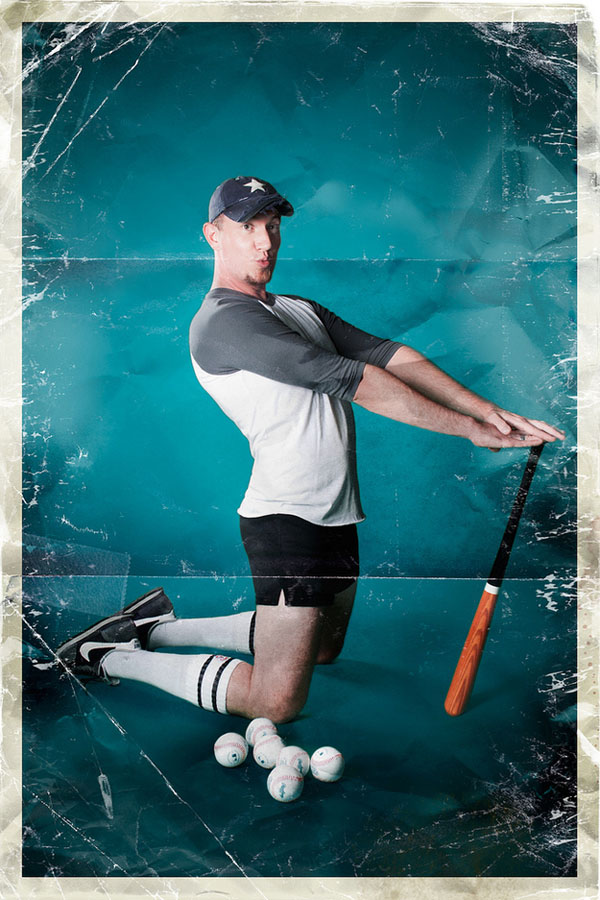
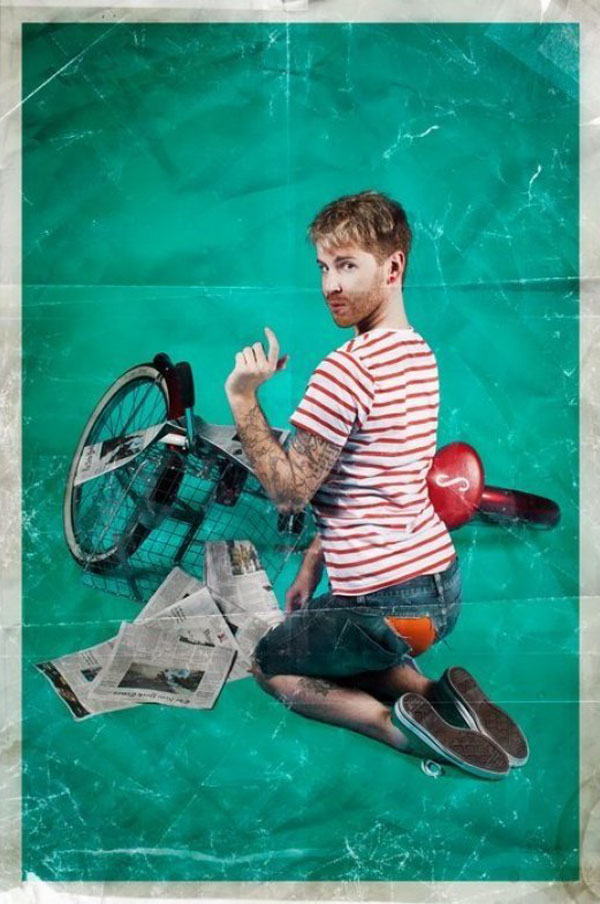
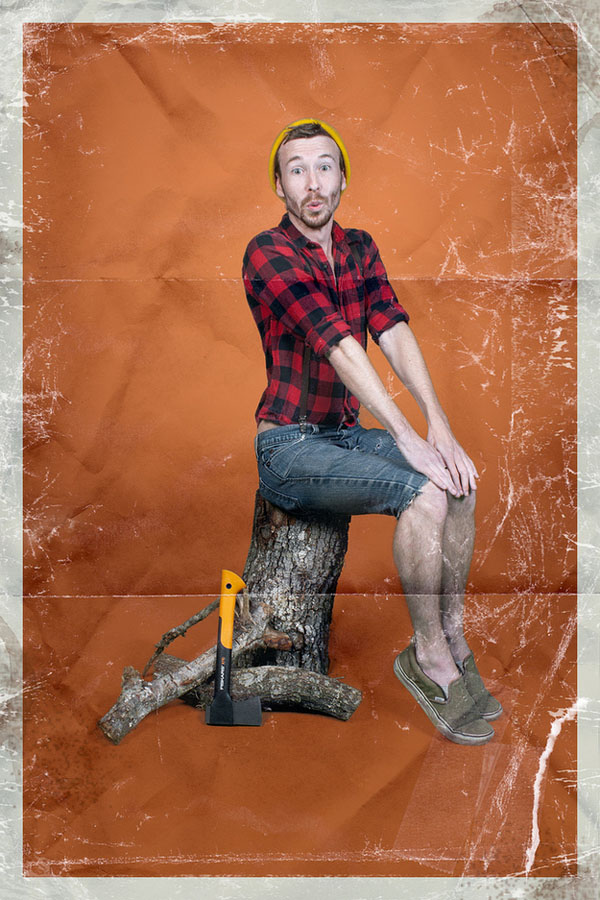
Men-Ups! is a photo series by photographer Rion Sabean featuring men in classic pin-up poses that are commonly associated with representations of femininity.

Rion says of his series: “I hope to have the viewer question their responses and why they feel the reaction that they do, and to associate those feelings with an understanding of societal brainwashing. Mainly, I want my audience to ask two things: why is it considered sexy for a woman to pose in such [hilarious] ways, and why isn’t it sexy for a man to do the same?”

Read more at the Huffington Post. Thanks to Debbie Pryor for “turning me on” to Men-Ups!

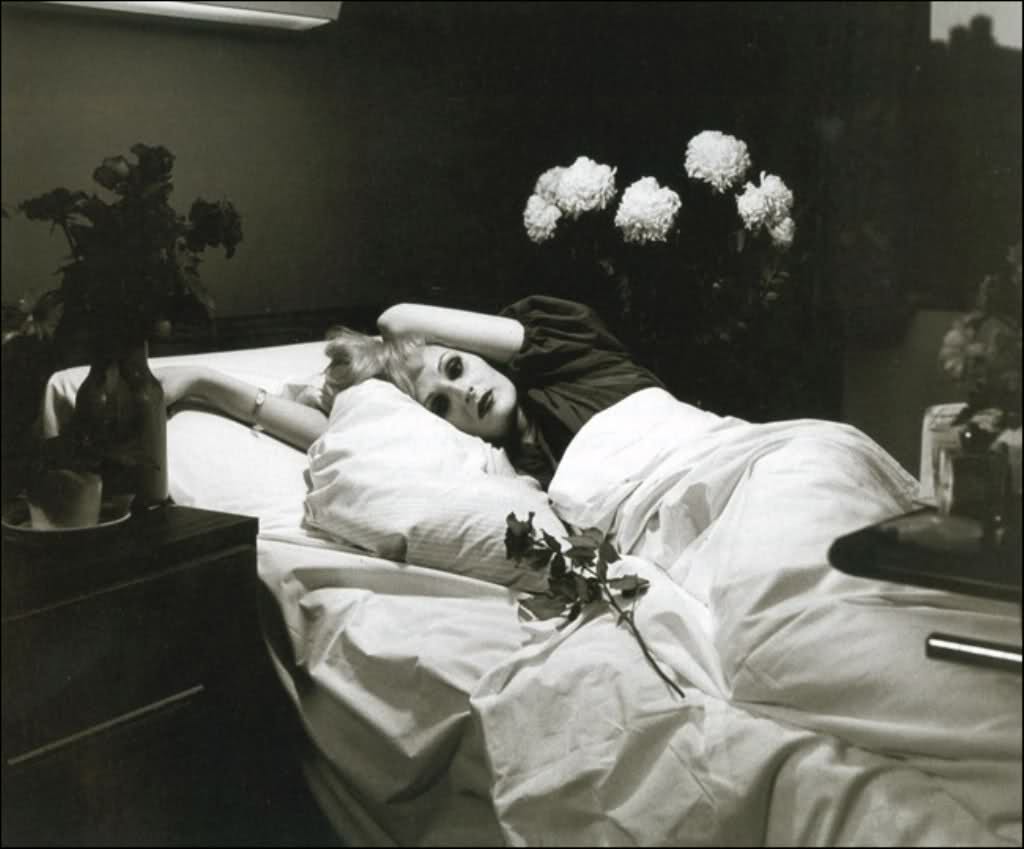
candy darling on her deathbed

Peter Hujar – “Candy Darling on Her Deathbed”
1974, gelatin-silver print

Candy Darling (November 24, 1944 – March 21, 1974), born James Lawrence Slattery, was an American actress, best known as a Warhol Superstar. A male-to-female transsexual, she starred in Andy Warhol’s films Flesh (1968) and Women in Revolt (1971), and was a muse of the band The Velvet Underground.

lee miller

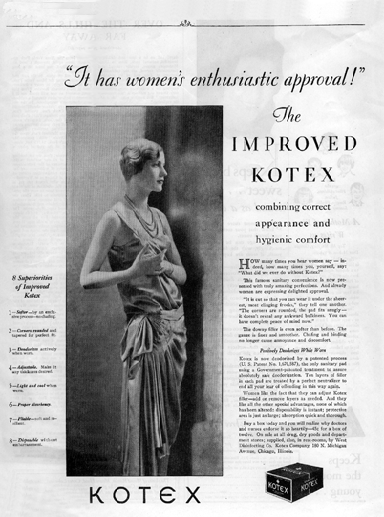
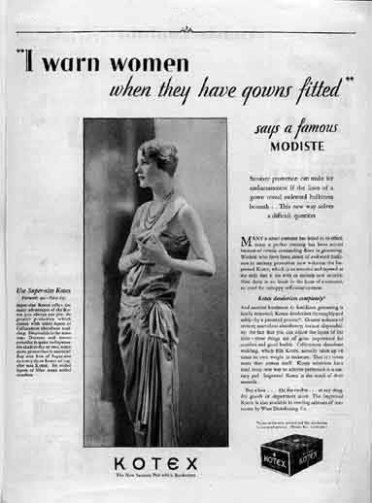
Even during the scandalous Roaring 20s, when women were bobbing their hair and baring their arms, products for “that time of the month” were advertised only very discreetly in women’s magazines. And until 1928, those ads featured line drawings or pastel paintings of females, never real women. But that taboo ended when photographer Edward Steichen sold a photo he’d shot of model and Voguecover girl Lee Miller to the Kotex Company. Miller’s modeling career in the U.S. was essentially kaput thanks to the scandalous placement of her photograph, and she fled to Paris where she studied photography and eventually became a renowned photographer in her own right.

In 1929, Lee traveled to Paris with the intention of apprenticing herself to the surrealist artist and photographer Man Ray. Although, at first, he insisted that he did not take students, Miller soon became his photographic assistant, as well as his lover and muse. While she was in Paris, she began her own photographic studio, often taking over Man Ray’s fashion assignments to enable him to concentrate on his painting. In fact, many of the photographs taken during this period and credited to Man Ray were actually taken by Lee.
At the outbreak of World War II, Miller was living in Hampstead, London with Roland Penrose when the bombing of the city began. Ignoring pleas from friends and family to return to the US, Miller embarked on a new career in photojournalism as the official war photographer for Vogue, documenting the Blitz. Lee was accredited into the U.S. Army as a war correspondent for Condé Nast Publications from December 1942.
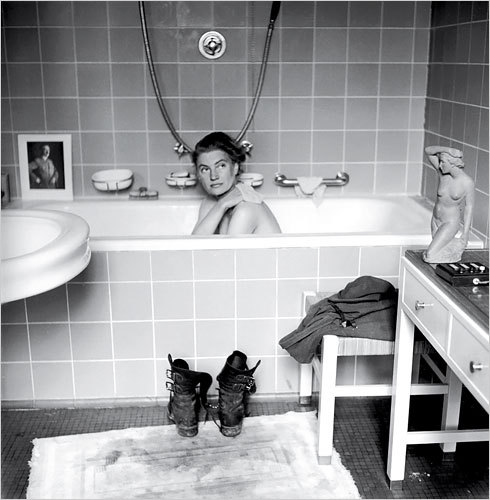
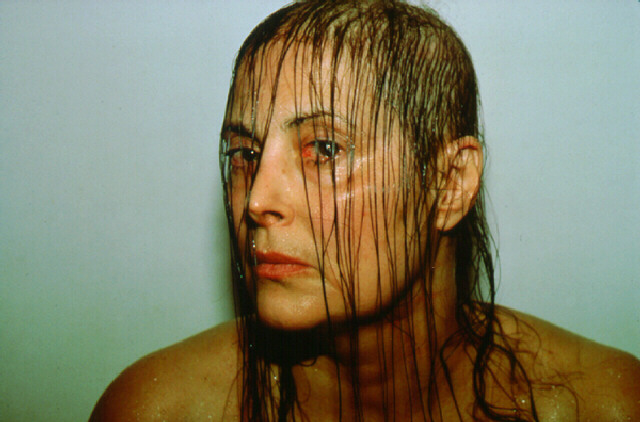
She teamed up with the American photographer David E. Scherman, a LIFE correspondent on many assignments. Miller traveled to France less than a month after D-Day and recorded the first use of napalm at the siege of St. Malo, the liberation of Paris, the battle for Alsace, and the horror of the Nazi concentration camps at Buchenwald and Dachau. One photograph by Scherman of Miller in the bathtub of Adolf Hitler’s apartment in Munich is one of the most iconic images from the Miller-Scherman partnership.
 Miller wrote to her Vogue editor Audrey Winters:

“I was living in Hitler’s private apartment when his death was announced, midnight of Mayday … Well, alright, he was dead. He’d never really been alive to me until today. He’d been an evil-machine-monster all these years, until I visited the places he made famous, talked to people who knew him, dug into backstairs gossip and ate and slept in his house. He became less fabulous and therefore more terrible, along with a little evidence of his having some almost human habits; like an ape who embarrasses and humbles you with his gestures, mirroring yourself in caricature. “There, but for the Grace of God, walks I.”

When the photo came out, it was considered an extremely poor judgement. For some, Miller posing nude in the tub of one of the most repulsive men in history was nothing more than a ill-timed reflection of the adage, “To the victor goes the spoils”. For others, it represents the power of life over death, “The living do what they can and the dead suffer what they must”. Lee Miller herself shied away from the controversies but reprouding the image very rarely and noted that she was merely trying to wash the odors of Dachau away.


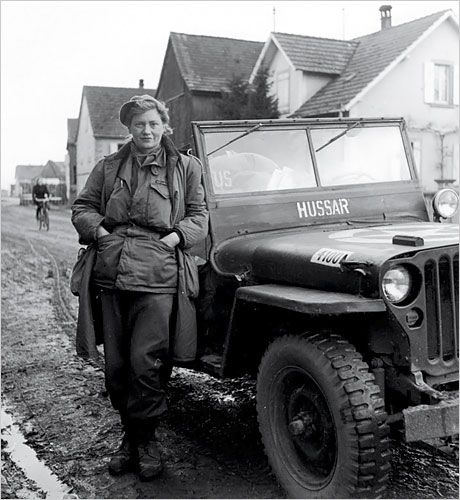
Lee Miller smiles in combat fatigues in Alsace 1944. It was said that no soldier could resist a photographer with a fashion model’s striking beauty. The photo was taken by her friend and colleague, Life magazine’s David E. Scherman.

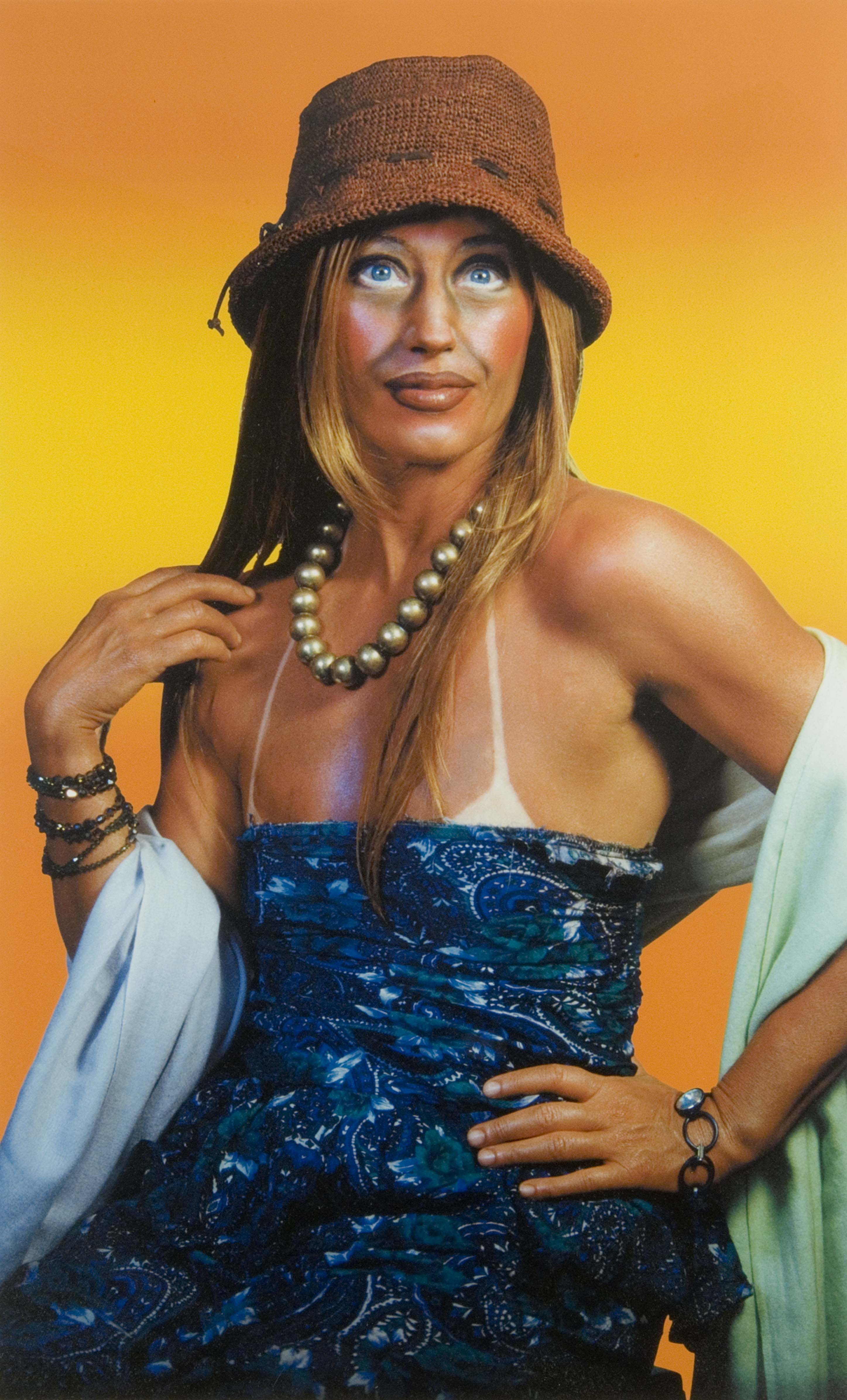
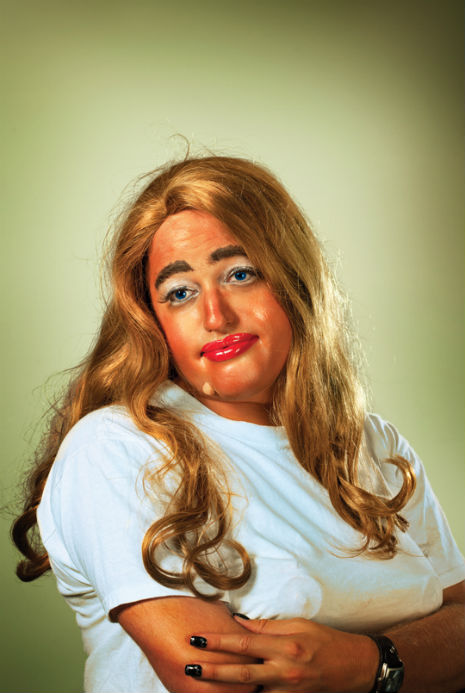
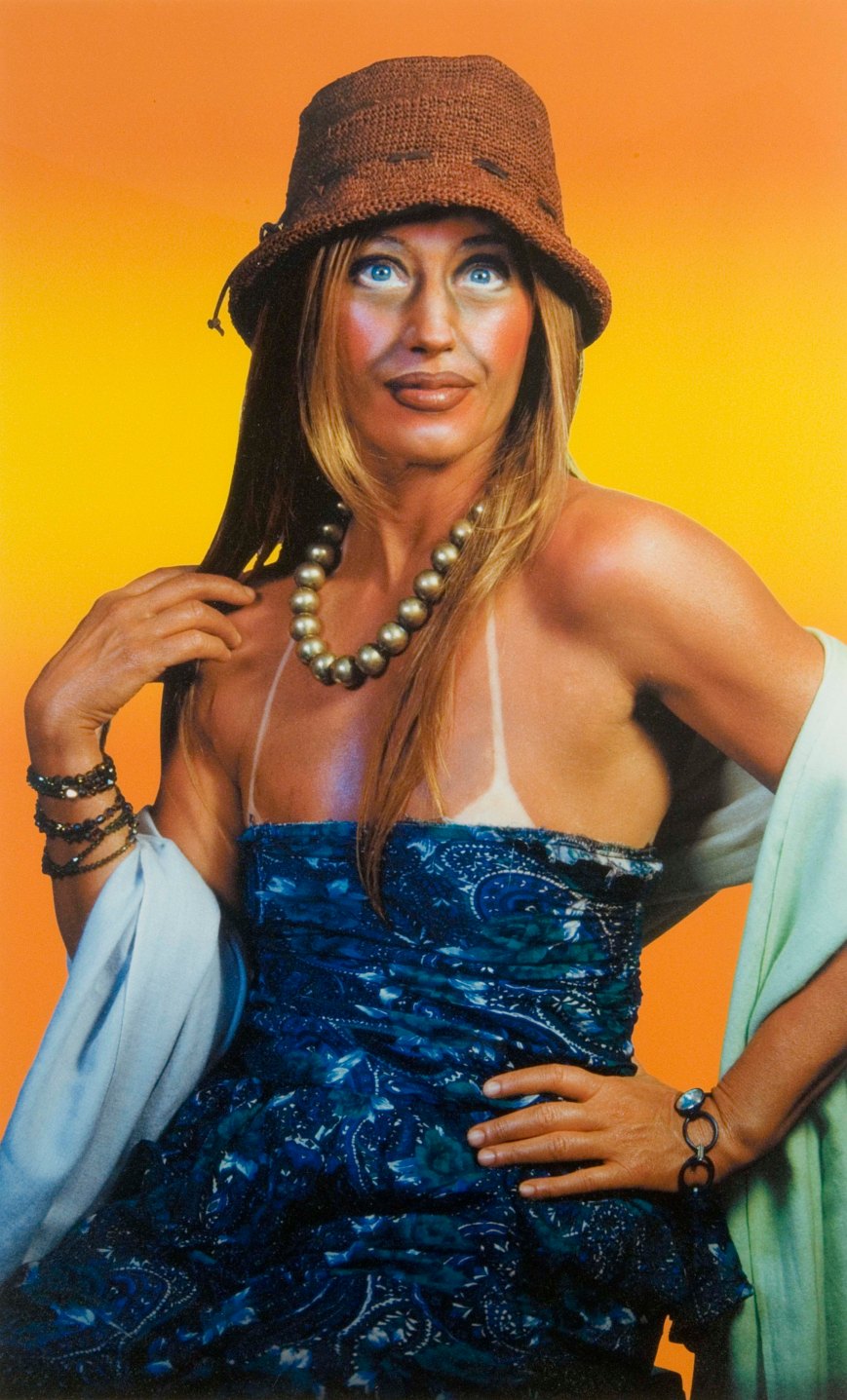
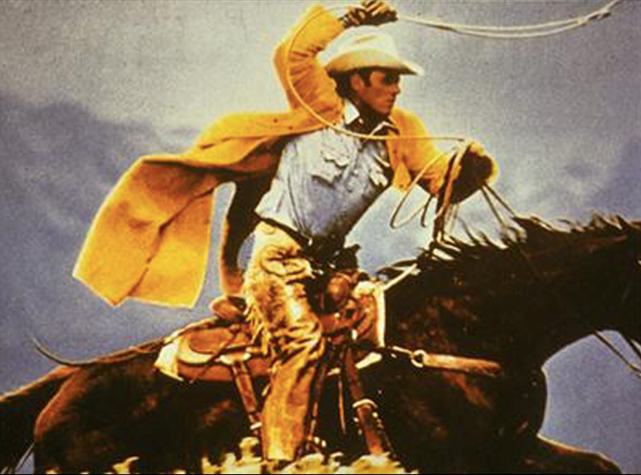
the art of the impersonator – photos by cindy sherman

“I feel I’m anonymous in my work. When I look at the pictures, I never see myself; they aren’t self-portraits. Sometimes I disappear.”

 “Cindy Sherman has explored different kinds of photography, but she has become one of the most lauded artists of her generation for her photographs of her impersonations. Since she arrived on the scene, in a 1980 exhibition, when she was in her mid-twenties, she has come before her own camera in the guise of hundreds of characters, and as an impersonator—which in her case means being a creator of people, and sometimes people-like creatures, who we encounter only in a single photograph—she has been remarkably inventive. Especially as a portrayer of types of people, whether someone who appears to be a perky suburbanite in town for a matinee, or a woman in a sweatshirt who seems both tired and bristling, or a club singer belting out a note, Sherman—who is now, at fifty-eight, the subject of a retrospective at the Museum of Modern Art—has shown herself as well to be a witty and shrewd social observer. And the sheer human spectacle of someone continually transforming herself into one person after another has proved riveting.”
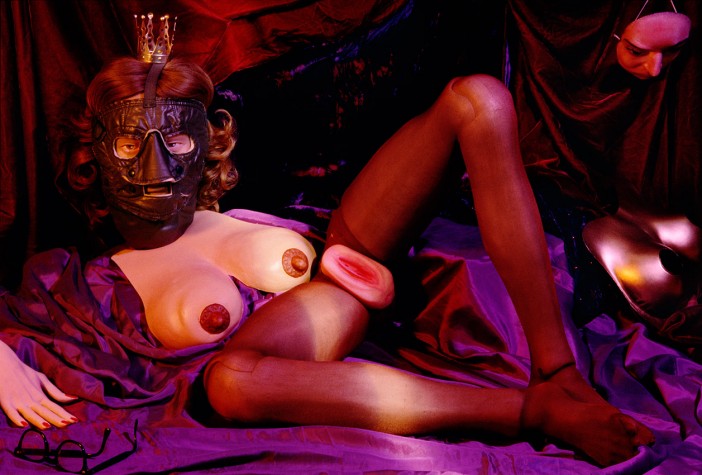
“…Her various accessories and props are appealingly economical and rudimentary, and, given that her art is based on deception, one could say that her large photographs, which sometimes come with transparently cheesy frames, are meant to have the appearance of fake paintings. During much of the 1990s, she also experimented, in pictures she herself was not in, with close cropping and artificial, theatrical color and lighting. But none of this quite erased the way that her pictures in general, and certainly those in which she appears front and center in some disguise, often had the disembodied presence of blown-up shots from one kind of movie or another.”
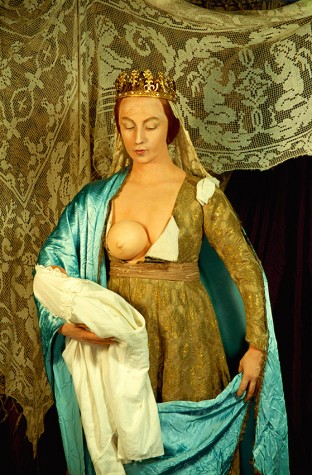
“…The end result of Sherman’s many approaches is a roller coaster of discontent, at times recalling Otto Dix, at other moments Carol Burnett. Sherman can be reproachful and quietly barbed, or merely leaden and gloomy, or showily horrifying, or buoyantly nasty. The works that held me longest were of her strivers and her patronesses. They bring together the poles of Sherman’s thinking: her feeling for contemporary life and for the monstrous. We see people who, carefully but excessively made up, have turned their faces into masks. This can be said of her clowns as well, but they are so fully masked that we have little sense (as we have little sense with actual, professional clowns) of the person underneath the makeup.”
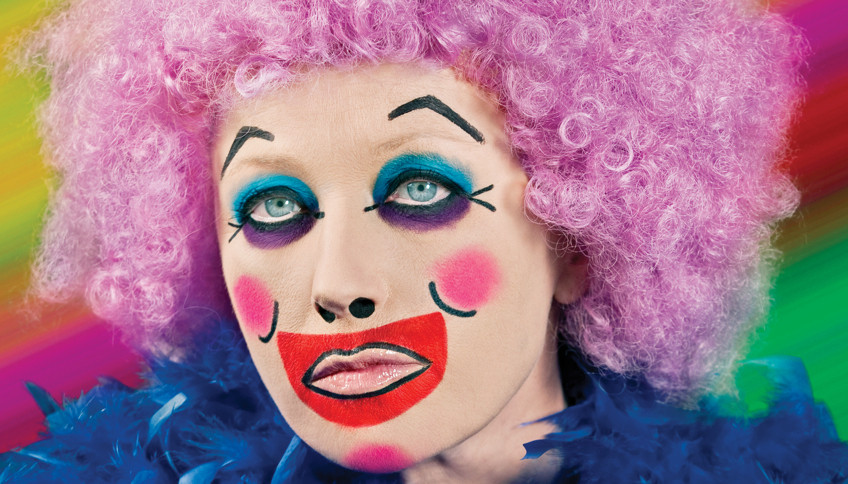
“More crucially, clowns, whether threatening or sad, are so familiar a theme that it is hard to put much stock in Sherman’s versions, which add little to the lore. With her overly avid women and her lionesses of the social scene, however, we feel we look, in each picture, at three people. There is Sherman herself, who, with her fair hair, pale eyebrows, and somewhat pointed features, resembles women in Memling portraits. Then there is her subject, who is clearly hidden behind a protective armor.”
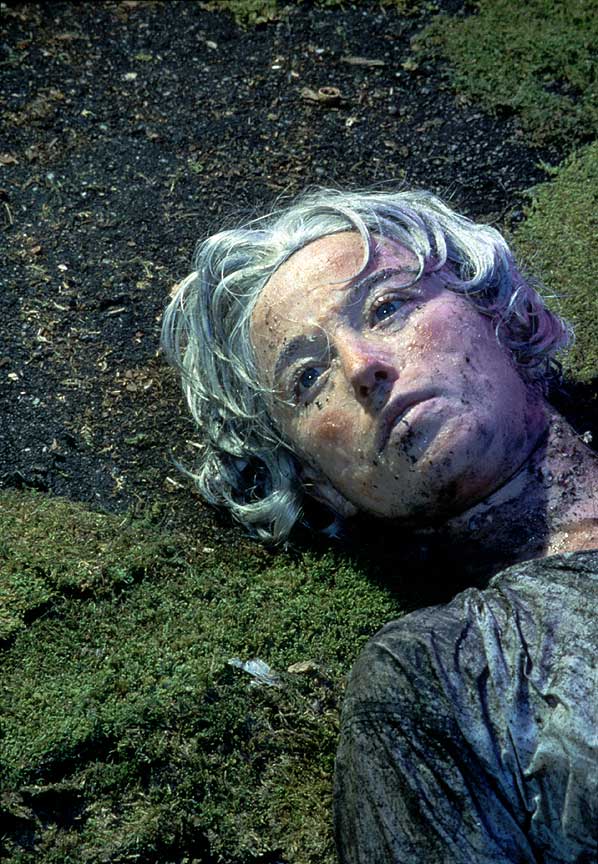
“…Sherman isn’t the first artist to come before the camera in a series of disguises or impersonations. Surely no artist, though, has used the notion as a premise for an entire career, and it creates for her audience a rare sense of intimacy with her and suspense about where she will go next. We seem to look at someone who has indentured her very person for the sake of her art. We can believe we are in this strange lifelong adventure with her, and, especially if we are her age or older, we wonder a little apprehensively how she will handle the issue of aging.”“…On the most literal level, though, we look at someone who has a gift for impersonation. Born in New Jersey and raised on Long Island, Sherman went to Buffalo State College in the early 1970s with the idea of becoming a painter. But she had been disguising herself as different people since childhood. There is a photo of her in the Modern’s catalog around age twelve in which, standing on a suburban street along with a friend who is also in masquerade, she appears convincingly as a little old lady. In college she was exposed to conceptual art, which, already supplanting painting as the field that art students wanted to work in, enabled her to see that she could build on her feeling for impersonation.”read the whole article here
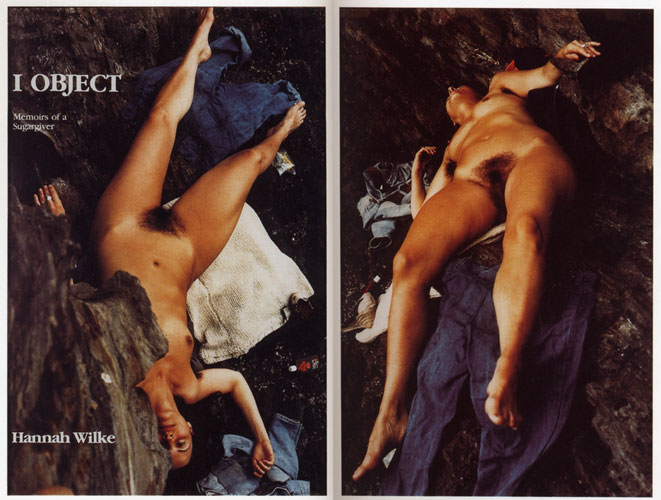
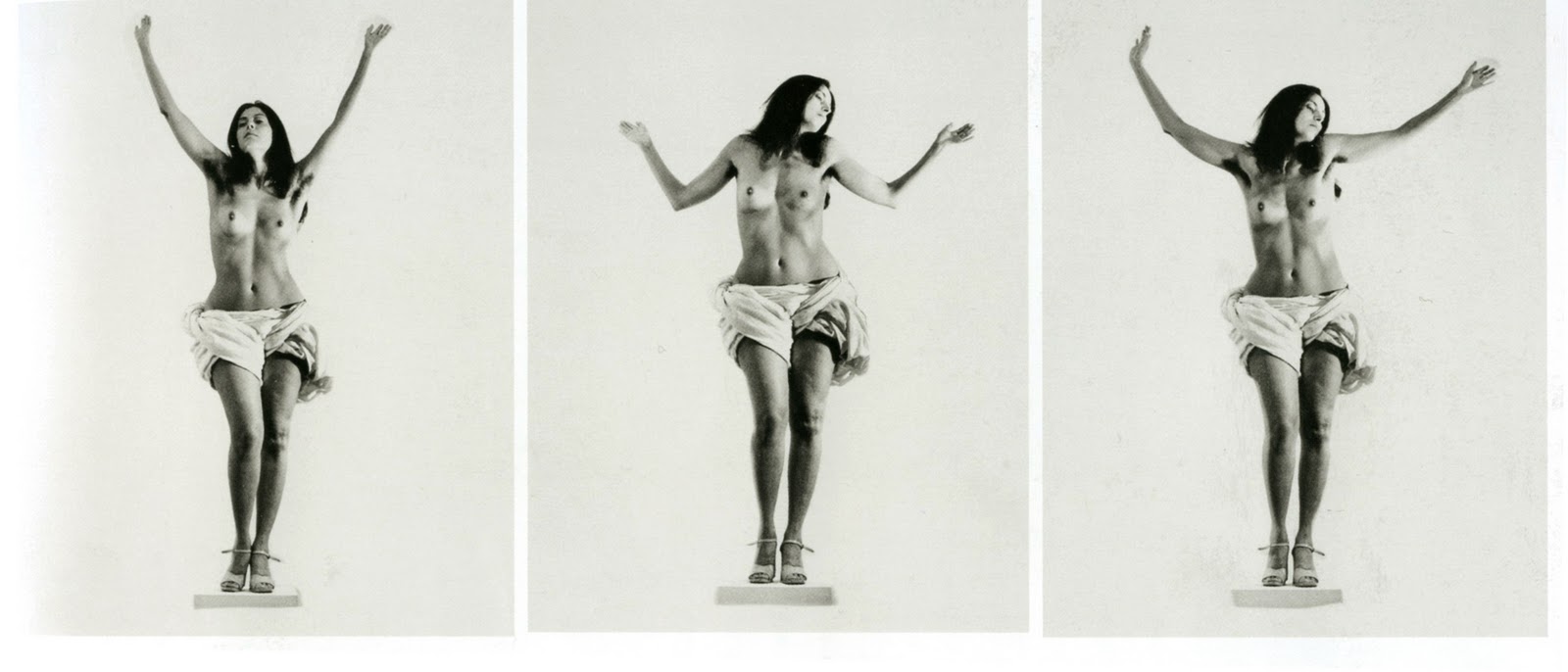
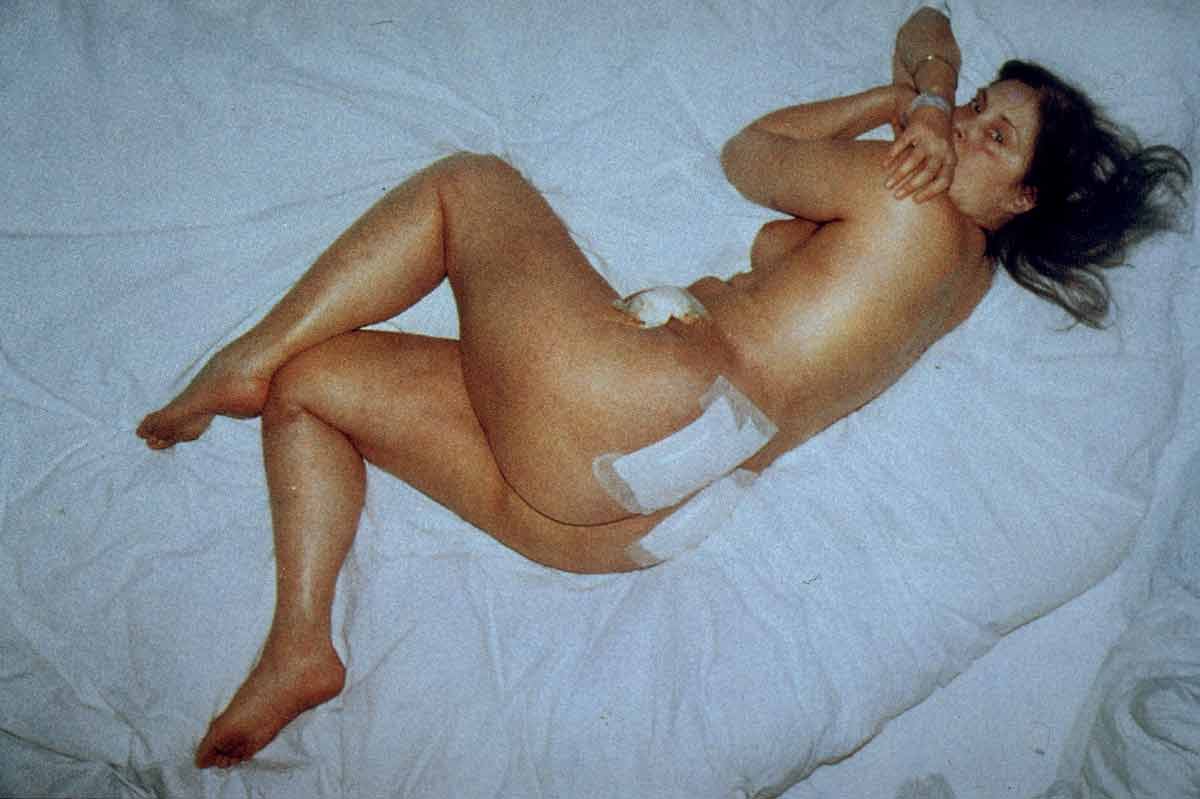
the art of hannah wilke: ‘feminist narcissism’ and the reclamation of the erotic body

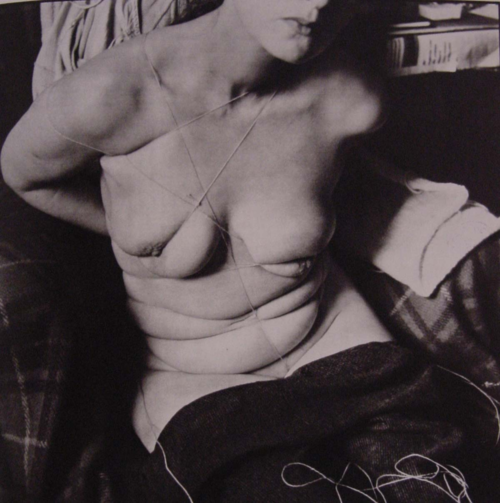
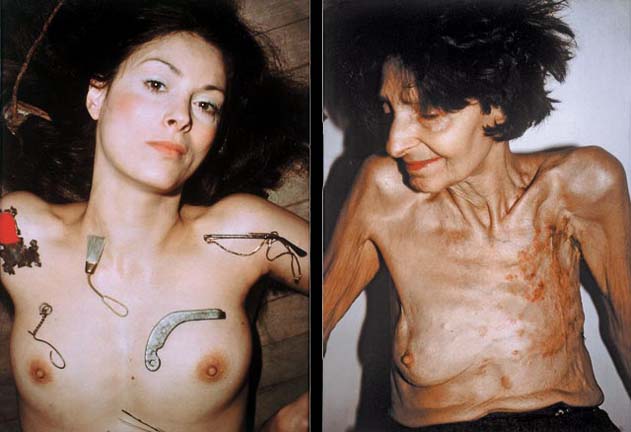
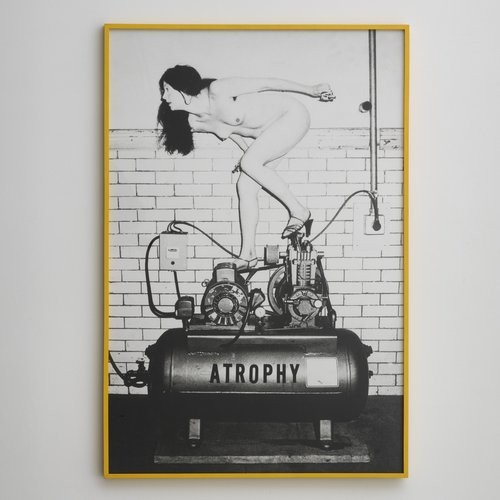
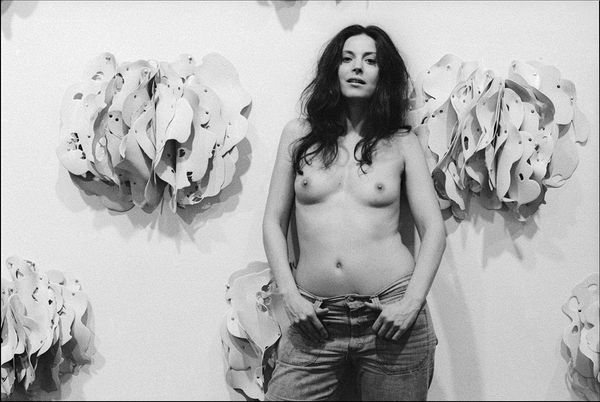
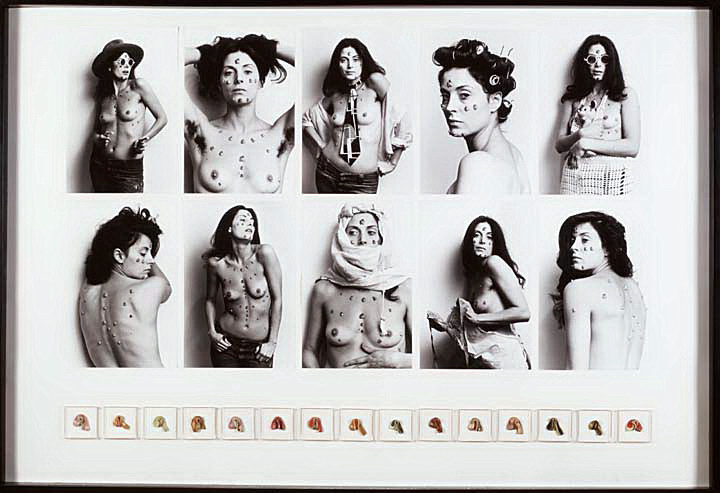
The politics of inclusion that shaped feminist discourse in the 1960s and 1970s spawned a legacy of body-based performance art, much of which was associated with women artists who used their own face as a subject of continual exploration. The self- imaging of women artists such as the provocative American artist Hannah Wilke was frequently attacked and dismissed by art critics as being indulgent exercises in narcissism that only served to reinforce the objectification of the female body. The charge of narcissism leveled on Wilke and her work may have been warranted, however, this should not be considered as a pejorative. Rather, the narcissism of Wilke can be viewed as a shrewd feminist tactic of self-objectification aimed at reclaiming the eroticized female body from the exclusive domain of male sexual desire. The ‘self-love’ of narcissism is a necessary component to this reclaiming of the body and the assertion of a female erotic will as being distinct from that of the male artist. Wilke wielded her narcissistic self-love as a powerful tool of critique, defiantly placing her own image into the hallowed halls of the male-dominated art institution.

The term “narcissism” derives from the ancient Greek myth of Narcissus, a beautiful but arrogant youth who cruelly spurned the love of his admirers. For his cruelty, he was cursed by the goddess Nemesis and fell in love with his own reflection in a pool of water. The doomed Narcissus pined away for his unattainable lover – the image of his own self – and literally died as a result of his amorous longing.

Sigmund Freud bestowed the name of this mythic Greek youth upon his psychoanalytic theory of narcissism, a theory that describes normal personality development. According to Freud, the self-love of narcissism is a normal complement to the development of a healthy ego. Whereas a certain amount of narcissism is desirable, an excess of self-love is considered dysfunctional and indicative of pathology. This latter definition of narcissism, the one of pathological self-absorption, has cast our current understanding of narcissism in a negative light and reinforced the use of the term as a pejorative.

The psychoanalytic theories of Freud suggest that negative or pathological narcissism is a specifically female perversion. Art critic Amelia Jones writes that “[d]rawing loosely on Freud’s definitions – which connect narcissism to both a stage of development and to a form of homosexual neurosis – narcissism has come in everyday parlance to mean simply a kind of “self-love” epitomized through woman’s obsession with her own appearance.” Hence, the charges of narcissism leveled on Hannah Wilke were attempts by the critics to summarily dismiss her work as mere manifestations of a woman’s obsessive self-love and infer, according to Jones, that Wilke’s art was not “successfully feminist.”
Continue reading here