
Man Ray – Untitled, 1923
“Between the demand to be clear and the temptation to be obscure, impossible to decide which deserves more respect.”
~ E.M.Cioran, from Anathemas and Admirations
Man Ray – Untitled, 1923
“Between the demand to be clear and the temptation to be obscure, impossible to decide which deserves more respect.”
~ E.M.Cioran, from Anathemas and Admirations

Fergus the cow visited our camp each day at lunchtime – until we barbequed beef
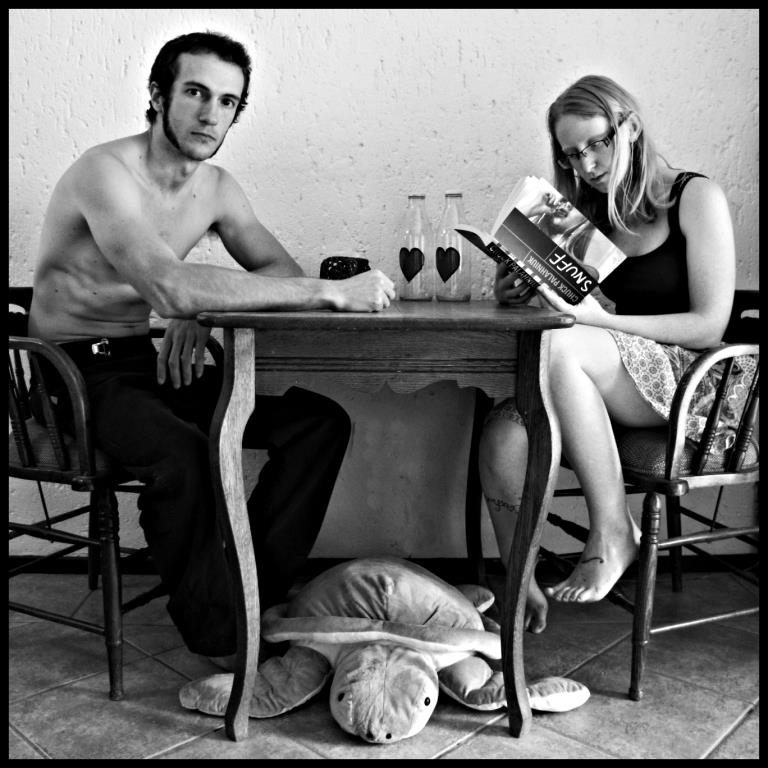
© Germaine de Larch Images. First published on http://www.life-writ-large.posterous.com
Nina Hagen & Automobil (1974). One of her first performances on film. There’s a version with English subtitles HERE.
Raised by her mother, well-known film and TV actress Eva-Maria Hagen and her stepfather, dissident singer-songwriter Wolf Biermann (who was a big influence on her political views and a big nuisance to the GDR), Hagen began singing professionally at a young age. Backed by her group, Automobil, her 1974 single, “Du Hast den Farbfilm Vergessen” (“You forgot the color film”) became a huge hit in the GDR and made Hagen a big star. The seemingly innocent-sounding lyrics (a girlfriend berating her boyfriend for not bringing color film on their vacation) were a subtle dig mocking the sterile, gray, Communist state. The fluffy-sounding ditty became one the most popular songs of 1974 and the double meaning of the comical lyrics was apparently well-understood by both the general population and the Politbüro elites.
In 1976, Wolf Biermann was stripped of his citizenship and refused re-admittance into the GDR after he’d played a TV concert in Cologne. When her mother left to join her husband, Nina claimed to be Biermann’s biological daughter. However, the thing that probably got her visa stamped stat was her threat to the authorities that she would become “the next Wolf Biermann.”
Four days later she was living in the West. I wonder how many people were thrown OUT of East Germany? That’s punk! (from dangerousminds.net)
And here’s a version from 1985 (in full, garish colour):
The following are excerpts from Vilém Flusser’s Towards a Philosophy of Photography (London: Reaktion Books, 2000).
The Image
Images are mediations between the world and human beings. Human beings ‘ex-ist’, i.e. the world is not immediately accessible to them and therefore images are needed to make it comprehensible. However, as soon as this happens, images come between the world and human beings. They are supposed to be maps but they turn into screens: Instead of representing the world, they obscure it until human beings’ lives finally become a function of the images they create. Human beings cease to decode the images and instead project them, still encoded, into the world ‘out there’, which meanwhile itself becomes like an image – a context of scenes, of state of things. This reversal of function of the image can be called ‘idolatry’; we can observe the process at work in the present day: The technical images currently all around us are in the process of magically reconstructing our ‘reality’ and turning it into a ‘global image scenario’. Essentially this is a question of ‘amnesia’. Human beings forget they created the images in order to orient themselves in the world. Since they are no longer able to decode them, their lives become a function of their own images: Imagination has turned into hallucination. (pp 9-10)
![22hr38min [photo: Niklas Zimmer]C-type print 120x99,4cm (Ed.3) and 60x49,7cm (Ed.7)](https://fleurmach.com/wp-content/uploads/2012/12/22hr38min-niklas-zimmer.jpg?w=869)
22hr38min [photo: Niklas Zimmer]
C-type print 120×99,4cm (Ed.3) and 60×49,7cm (Ed.7)
The struggle of writing against the image – historical consciousness against magic – runs throughout history. With writing, a new ability was born called ‘conceptual thinking’ which consisted of abstracting lines from surfaces, i.e. producing and decoding them. Conceptual thought is more abstract than imaginative thought as all dimensions are abstract from phenomena – with the exception of straight lines. Thus with the invention of writing, human beings took one step further back from the world. Texts do not signify the world; they signify the images they tear up. Hence, to decode texts means to discover the images signified by them. The intention of texts is to explain images, while that of concepts is to make ideas comprehensible. In this way, texts are a metacode of images.
This raises the question of the relationship between texts and images – a crucial question for history. In the medieval period, there appears to have been a struggle on the part of Christianity, faithful to the text, against idolaters or pagans; in modern times, a struggle on the part of textual science against image-bound ideologies. The struggle is a dialectical one. To the extent that Christianity struggled against paganism, it absorbed images and itself became pagan; to the extent that science struggled against ideologies, it absorbed ideas and itself became ideological. The explanation for this is as follows: Texts admittedly explain images in order to explain them away, but images also illuminate texts in order to make them comprehensible. Conceptual thinking admittedly analyze magical thought in order to clear it out of the way, but magical thought creeps into conceptual thought so as to bestow significance on it. In the course of this dialectical process, conceptual and imaginative thought mutually reinforce one another. In other words, images become more and more conceptual, texts more and more imaginative. Nowadays, the greatest conceptual abstraction is to be found in conceptual images (in computer images, for example); the greatest imagination is to be found in scientific texts. Thus, behind one’s back, the hierarchy of codes is overturned. Texts, originally a metacode of images, can themselves have images as a metacode.
That is not all, however. Writing itself is a mediation – just like images – and is subject to the same internal dialectic. In this way, it is not only externally in conflict with images but is also torn apart by an internal conflict. If it is the intention of writing to mediate between human beings and their images, it can also obscure images instead of representing them and insinuate itself between human beings and their images. If this happens, human beings become unable to decode their texts and reconstruct the images signified in them. If the texts, however, become incomprehensible as images, human beings’ lives become a function of their texts. There arises a state of ‘textolatry’ that is no less hallucinatory than idolatry. Examples of textolatry, of ‘faithfulness to the text’, are Christianity and Marxism. Texts are then projected into the world out there, and the world is experienced, known and evaluated as a function of these texts. A particularly impressive example of the incomprehensible nature of texts it provided nowadays by scientific discourse. Any ideas we may have of the scientific universe (signified by these texts) are unsound: If we do form ideas about scientific discourse, we have decoded it ‘wrongly’: anyone who tries to imagine anything, for example, using the equation of the theory of relativity, has not understood it. But as, in the end, all concepts signify ideas, the scientific, incomprehensible universe is an ’empty’ universe.
Textolatry reached a critical level in the nineteenth century. To be exact, with it history came to an end. History, in the precise meaning of the world, is a progressive transcoding of images into concepts, a progressive elucidation of ideas, a progressive disenchantment (taking the magic out of things), a progressive process of comprehension. If texts become incomprehensible, however, there is nothing left to explain, and history has come to an end. During this crisis of texts, technical images were invented: in order to make texts comprehensible again, to put them under a magic spell – to overcome the crisis of history. (pp 11 – 13)
++++++++++
To summarize: Photographs are received as objects without value that everyone can produce and that everyone can do what they like with. In fact, however, we are manipulated by photographs and programmed to act in a ritual fashion in the service of a feedback mechanism for the benefit of cameras. Photographs suppress our critical awareness in order to make us forget the mindless absurdity of the process of functionality, and it is only thanks to this suppression that functionality is possible at all. Thus photographs form a magic circle around us in the shape of the photographic universe. What we need is to break this circle. (pg 64)
++++++++++
Why a Philosophy of Photography is Necessary
With one exception: so-called experimental photographers – those photographers in the sense of the word intended here. They are conscious that image, apparatus, program and information are the basic problems that they have to come to terms with. They are in fact consciously attempting to create unpredictable information, i.e. to release themselves from the camera, and to place within the image something that is not in its program. They know they are playing against the camera. Yet even they are not conscious of the consequence of their practice: They are not aware that they are attempting to address the question of freedom in the context of apparatus in general. (pg 81)
A philosophy of photography is necessary for raising photographic practice to the level of consciousness, and this is again because this practice gives rise to a model of freedom in the post-industrial context in general. A philosophy of photography must reveal the fact that there is no place for human freedom within the area of automated, programmed and programming apparatuses, in order finally to show a way in which it is nevertheless possible to open up a space for freedom. The task of a philosophy of photography is to reflect upon this possibility of freedom – and thus its significance – in a world dominated by apparatuses; to reflect upon the ways in which, despite everything, it is possible for human beings to give significance to their lives in face of the chance necessity of death. Such a philosophy is necessary because it is the only form of revolution left open to us. (pp 81-82)
Read more excerpts from Flusser’s text HERE.

© Germaine de Larch Images. First published on http://www.life-writ-large.posterous.com
Fleurmach highly recommends that you check out Greatmore Studios‘ Showcase 2012, particularly tonight’s live improvisational performance, entitled ‘Unbound’. Don’t miss this once-off collaboration, involving sound by musicians Alex Bozas, Garth Erasmus and Niklas Zimmer, dance by Jacki Job and photography of the performance projected live by Noncedo Gxekwa.
When? Wednesday 28 November (TONIGHT!). Doors open 18h00. Live performance commences 18h30.
Where? 47-49 Greatmore St, Woodstock, Cape Town. Map HERE.
The live performance will accompany an extensive exhibition by resident artists, visiting artists and guests, which promises to be really worthwhile. More info HERE.

Greatmore Studios is an artist-run initiative based in Cape Town. It revolves around a pool of permanent artists, an international visiting-artists-in-residency programme and a range of workshops and other activities. This initiative forms part of the Triangle Arts Trust, a United Kingdom-based organisation that facilitates an international network of artist-led workshops and residencies. This association affords artists access to information and opportunities to exchange ideas and skills with other artists around the world.

Instagram by Stella*
Follow her HERE.
© Germaine de Larch Images. First published on http://www.life-writ-large.posterous.com
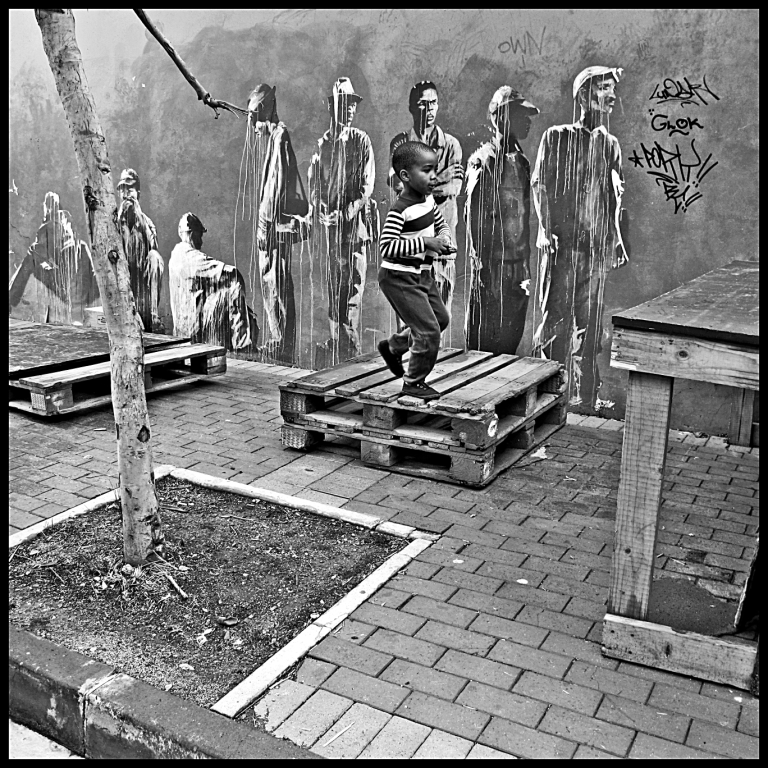
Street art by Faith47 (www.faith47.com)

San Pedro, about to bloom
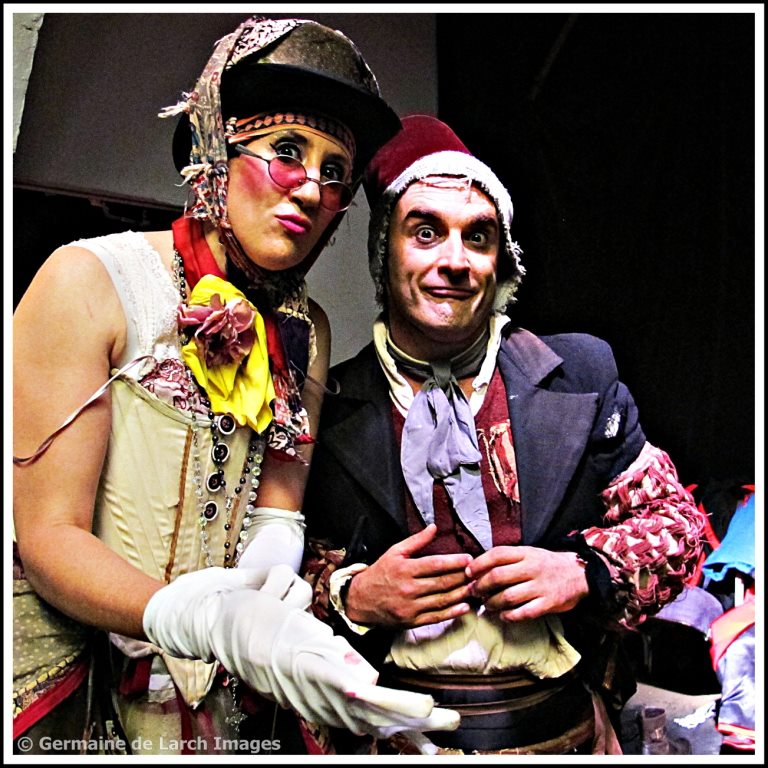
Patricia Boyer & Jason Kennett
© Germaine de Larch Images. First published on http://www.life-writ-large.posterous.com

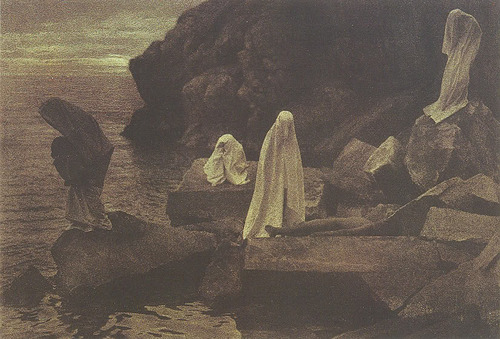
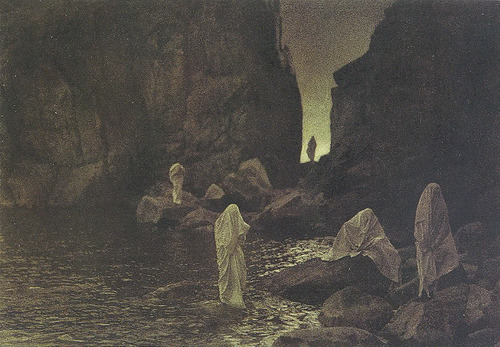
las parcas 1 and 3 bromoil transfer on paper (1930)
from a triptych by Spanish photographer Joaquim Pla Janini (1879 – 1970) based on Les Parcae (the Fates).
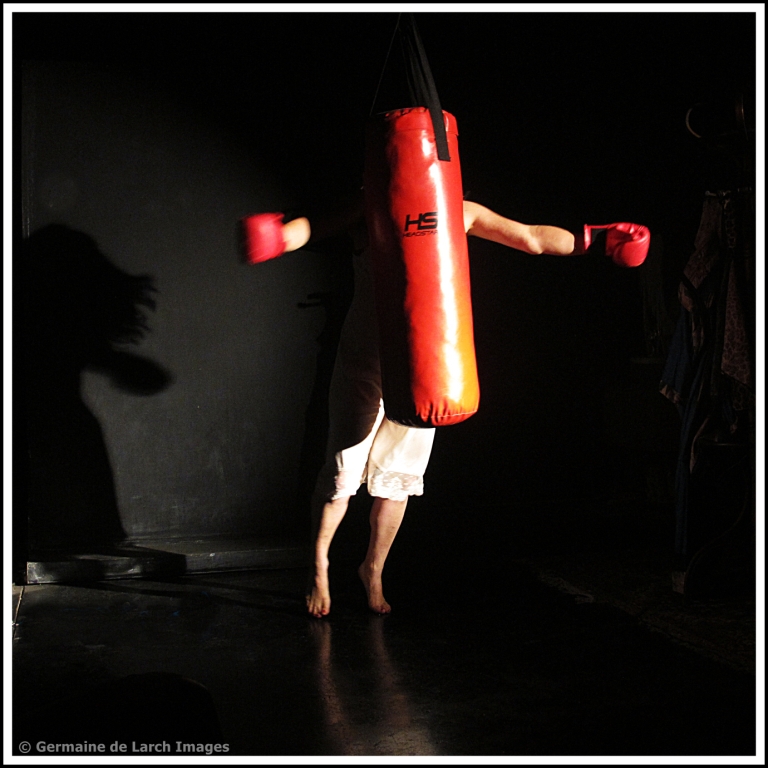
© Germaine de Larch Images. First published on http://www.life-writ-large.posterous.com
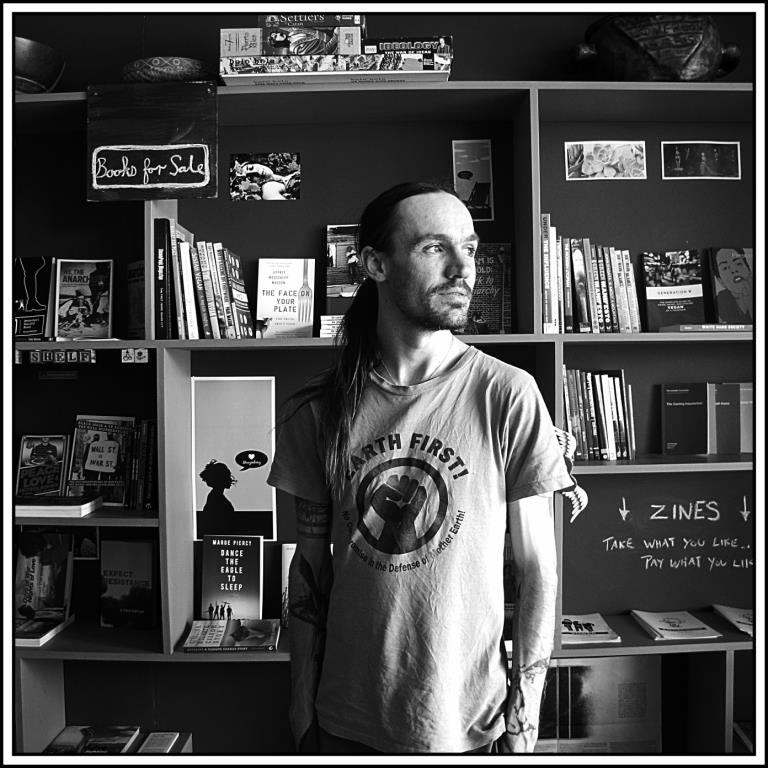
Bolo’bolo, Plant Based Café & Bookshop, Muizenberg, Cape Town
© Germaine de Larch Images. First published on www.life-writ-large.posterous.com

© Germaine de Larch Images. First published on www.life-writ-large.posterous.com
 #
#
© Germaine de Larch Images. First published on www.life-writ-large.posterous.com
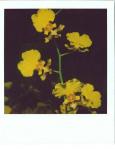

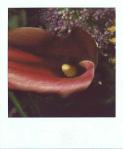

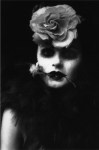

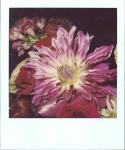
Nobuyoshi Araki´s polaroids with Irina Ionesco
The photographs in this post are of an abandoned hot springs resort/health spa, taken by me in July 2009. The resort is situated in Aliwal North, a tiny town on the border of South Africa’s Free State and Eastern Cape provinces. During Victorian times, and continuing into the dark era of Apartheid, this settlement on the Orange River was a popular holiday destination (whose amenities would have been available to whites only). I was stuck here for several days following a car accident, so I went exploring. I was told by a local that the resort had fallen into disrepair only recently, in the past decade, due to mismanagement of the allocated maintenance funds. I wondered to what extent this might reflect a rejection of the resort’s oppressive past by its post-1994 custodians.


I share the fascination with documenting ruins and decay that is the subject of the following excerpt from the excellent blog, Archaeology and Material Culture:
An astounding number of web pages document abandoned materiality, encompassing a broad range of architectural spaces including asylums, bowling alleys,industrial sites, Cold War sites, and roadside motels as well as smaller things like pianosand even scale models of abandonment. This ruination lust is not simply the province of a small handful of visual artists, hipsters colonizing Detroit, or recalcitrant trespassers; instead, it invokes something that reaches far deeper socially, has international dimensions, extends well into the past, and reflects a deep-seated fascination with—if not apprehension of—abandonment. The question is what explains our apparently sudden collective fascination with abandonment, ruination, and decay. The answers are exceptionally complex and highly individual, but there seem to be some recurrent metaphors in these discourses.



For “urban explorers” (a term that might loosely include artists, photographers, archaeologists, and curious folks alike), such journeys seek out “abandoned, unseen, and off-limits” spaces that imagine ruination in a wide range of artistic, emotional, scholarly, and political forms. Many of these urban explorers and artists see themselves as visual historians, documenting the architectural and community heritage reflected in abandoned spaces. For instance, Jonathan Haeber’s urban exploration blog Bearings explains that “I’m just an eye. I’m just a camera. … An urban explorer is just a documentarian. … We only appreciate the creations that are overlooked. … It is what remains that is the democratic equivalent of a revolution.” Continue reading
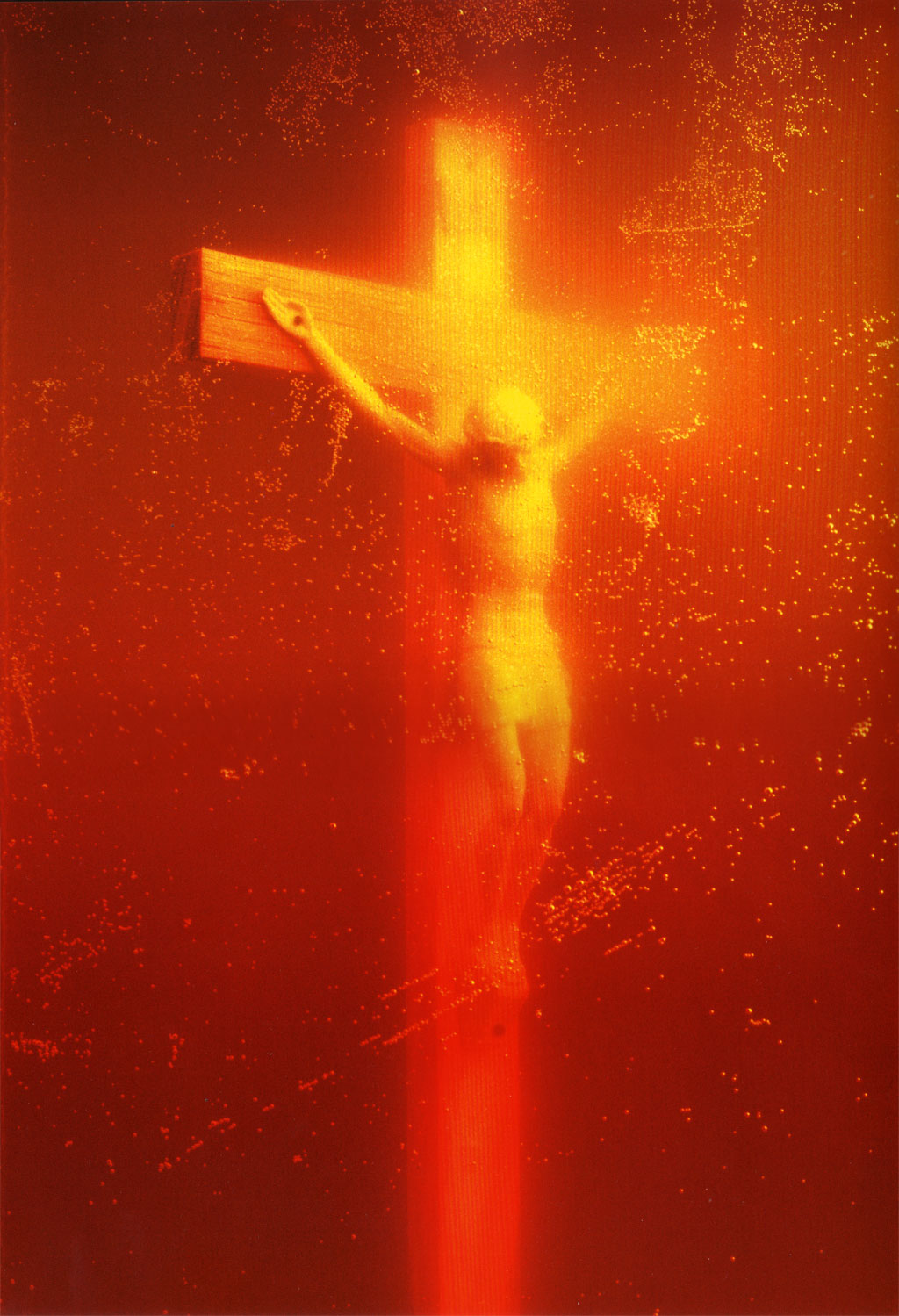
Andres Serrano´s Piss Christ is a photograph is of a small plastic crucifix submerged in what appears to be a yellow liquid. The artist has described the substance as being his own urine in a glass. The photograph was one of a series of photographs that Serrano had made that involved classical statuettes submerged in various fluids—milk, blood, and urine.The full title of the work is “Immersion (Piss Christ)”.The photograph is a 60×40 inch Cibachrome print. It is glossy and its colors are deeply saturated. The presentation is that of a golden, rosy medium including a constellation of tiny bubbles. Without Serrano specifying the substance to be urine and without the title referring to urine by another name, the viewer would not necessarily be able to differentiate between the stated medium of urine and a medium of similar appearance, such as amber or polyurethane.
Serrano has not ascribed overtly political content to Piss Christ and related artworks, on the contrary stressing their ambiguity. He has also said that while this work is not intended to denounce religion, it alludes to a perceived commercializing or cheapening of Christian icons in contemporary culture.
” Here’s a thought experiment. Are you deeply offended by works of art such as Andres Serrano’s Piss Christ, which depicts Jesus as seen through a jar of urine, or Chris Ofili’s The Holy Virgin Mary, which shows Mary smeared with elephant dung? So offended that you think they ought to be banned and the galleries that display them prosecuted? No? OK, then try replacing the religious figures in these pictures with the sacred icons of progressive politics, people such as Martin Luther King and Nelson Mandela. How would you feel if you walked into an art gallery and saw an image of King submerged in urine or Mandela smeared with excrement?
Many people are likely to feel torn. Liberals know the reasoned arguments for freedom of expression and the importance of being consistent on matters of principle. On the other hand, it would be surprising if they did not also feel disgusted and affronted. How dare anyone pass off such gratuitously offensive images as works of art? Shouldn’t they be stopped? Jonathan Haidt, who gives a version of this thought experiment in his provocative new book, wants us to know that reason and instinctive outrage are always going to co-exist in cases like this. What’s more, in most instances, it’s the outrage that will be setting the agenda.
The arresting image Haidt gives for our sense of morality is that it’s like a rational rider on top of an intuitive elephant. The rider can sometimes nudge the elephant one way or the other, but no one should be in any doubt that the elephant is making the important moves. In fact, the main job of the rider is to come up with post-hoc justifications for where the elephant winds up. We rationalise what our gut tells us. This is true no matter how intelligent we are. Haidt shows that people with high IQs are no better than anyone else at understanding the other side in a moral dispute. What they are better at is coming up with what he calls “side-arguments” for their own instinctive position. Intelligent people make good lawyers. They do not make more sensitive moralists.
Where do these moral instincts come from? Haidt is an evolutionary psychologist, so the account he gives is essentially Darwinian. Morality is not something we learn from our parents or at school, and it’s certainly not something we work out for ourselves. We inherit it. It comes to us from our ancestors, ie from the people whose instinctive behaviour gave them a better chance to survive and reproduce. These were the people who belonged to groups in which individuals looked out for each other, rewarded co-operation and punished shirkers and outsiders. That’s why our moral instincts are what Haidt calls “groupish”. We approve of what is good for the group – our group.”
Read the rest of Runciman´s text here



© Germaine de Larch Images. First published on www.life-writ-large.posterous.com
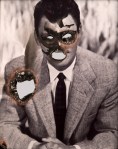
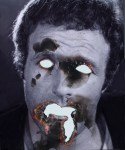
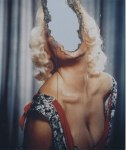
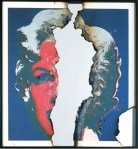
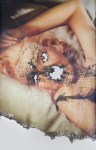
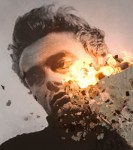
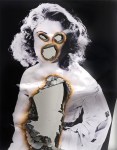
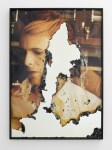
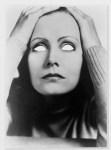
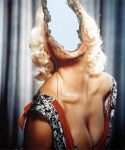
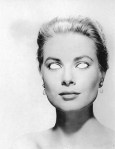
With ‘Self Portraits of You and Me´ by Douglas Gordon, the viewer is denied engagement with the subject (celebrities) because all discriminating facial features have been removed by burning. Frames backed with mirrors were constructed so that the viewer’s gaze is quite literally reflected back out of the photographs through the holes in the images.







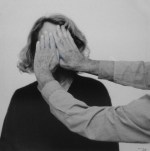
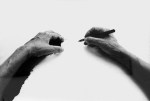
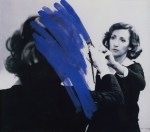
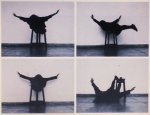
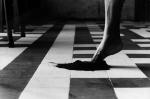
I was recently introduced to the work of Portuguese artist Helena Almeida. It´s difficult to find text that complements it. The simplicity and consistency of her photos, I think, is what makes it so powerful.

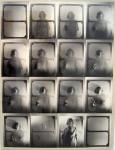
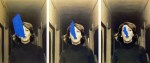
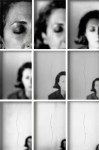
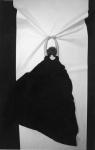
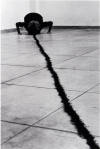
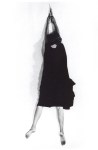
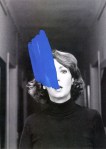
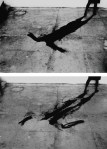
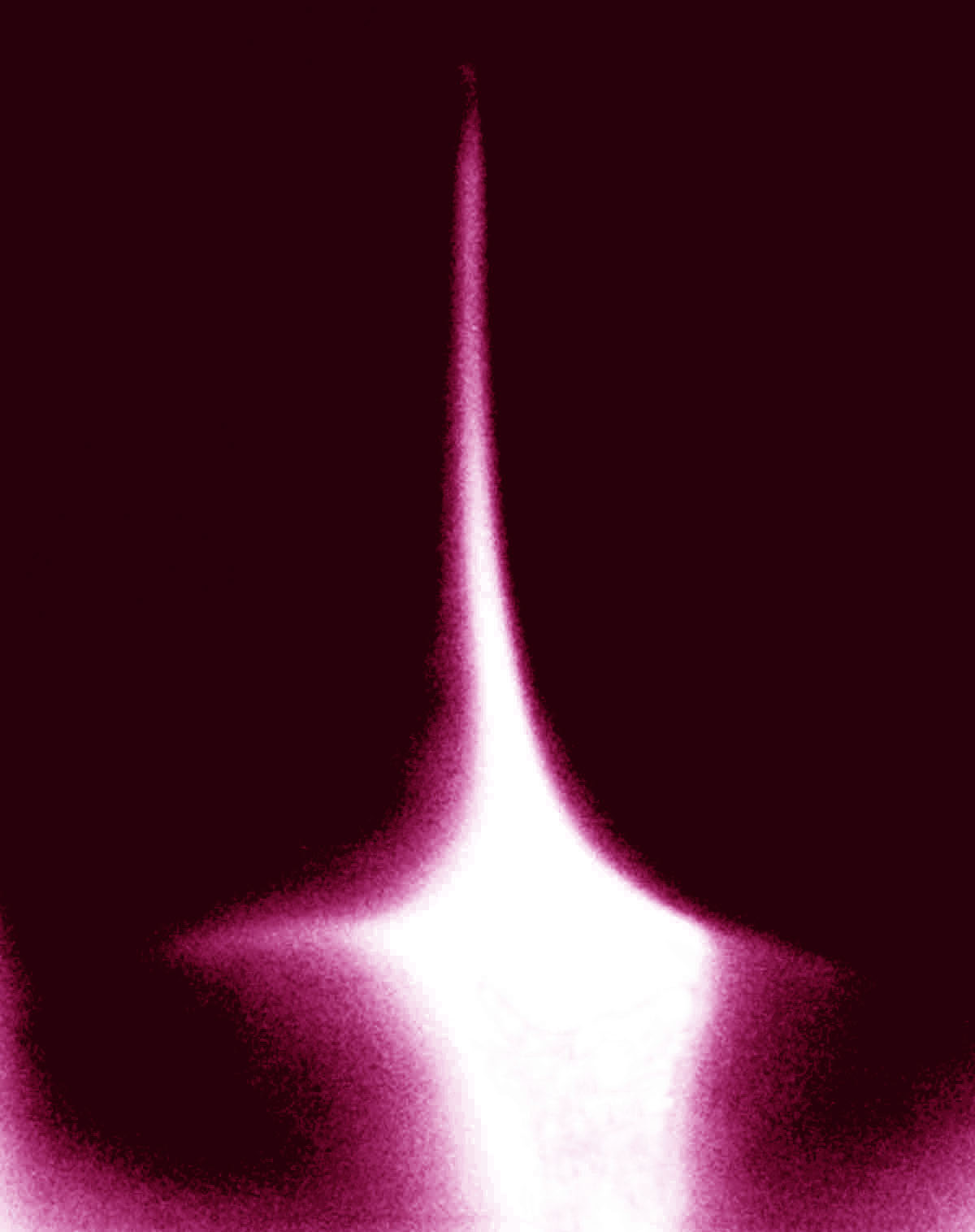
still, beyond the pane
in the steamy darkness
she’d die to be touched
An art show by Petra Collins of The Ardorous and Tavi Gevinson of Rookie Magazine, held at Space 15 Twenty in Hollywood, CA to celebrate the conclusion of The Rookie Road Trip across the United States.
Music: “Think of You” by Bleached, recorded live during their performance at the closing night party “Rookie Prom Night”.
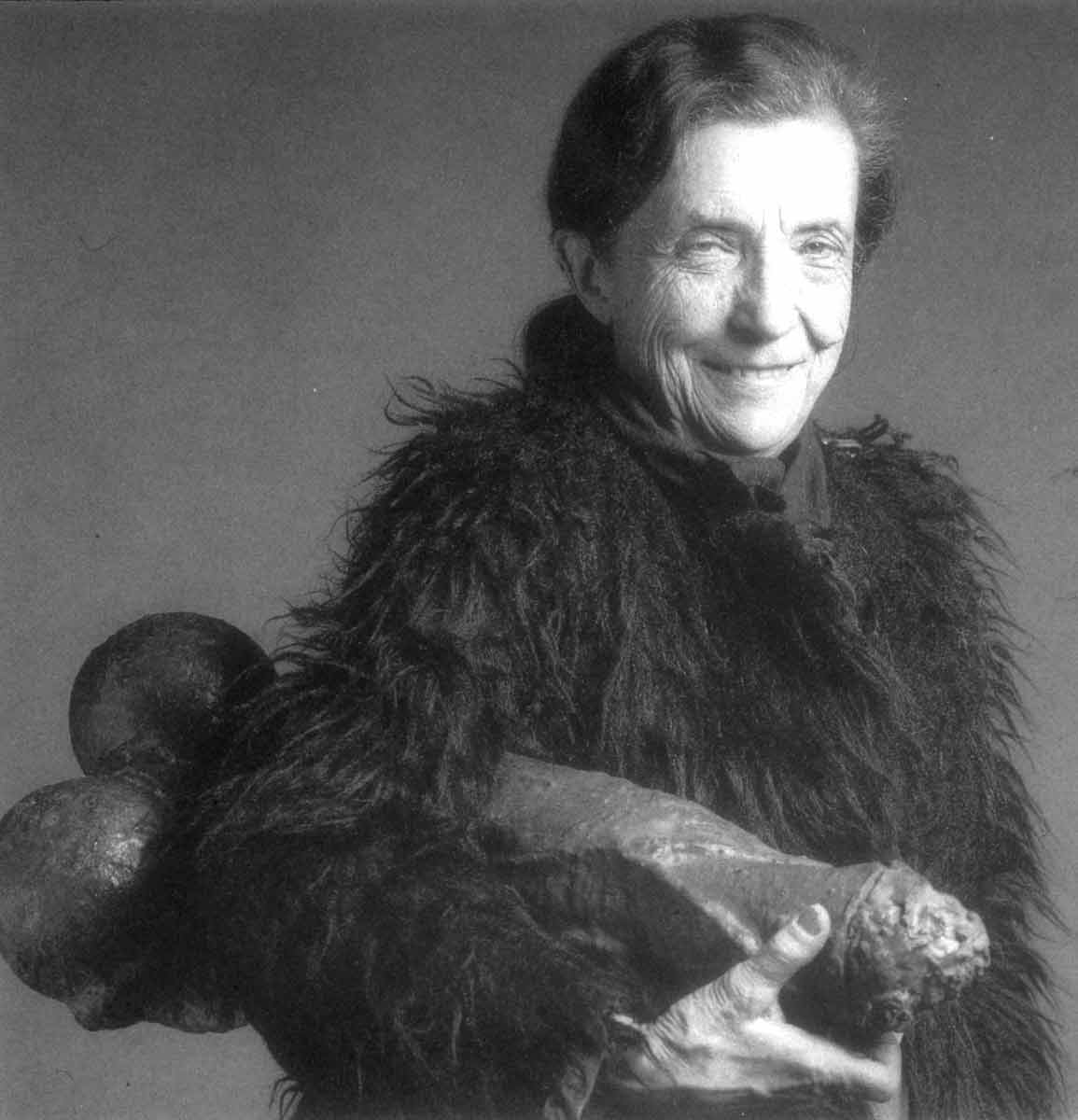 Robert Mapplethorpe, Photograph of Louise Bourgeois with her sculpture Fillete (1968, latex), 1982.
 fleurmach