
Author Archives: psychaderek2012
this is what democracy looks like
My cousin Paul Davey is a Zimbabwean-born photographer, writer and graphic designer living in London. Growing deathly bored with commercial shoots, he found renewed inspiration by getting onto the capital’s streets and shooting 40 000 protest photos last year. He put them into the book This Is What Democracy Looks Like – a chant frequently heard at protests – resulting in a lively collection of images of people, protests and events from 2012 in London, particularly the Occupy movement.
It’s essentially a book of portraits, portraying the often eccentric, artistic and highly intelligent protestors, and it offers a glimpse – usually not shown by mainstream media – of who they are, what they believe and the events they are caught up in, as they try to change the world in which they live.
Civic protest is definitely alive and kicking in good ol’ Blighty, and the reader will gain some insight into how their system attempts to control uprisings. Our South African police could learn a thing or two from the British bobbies – for instance, they employ a technique called ‘kettling’ in which they surround the crowd of dissenters, with the police linking arms, and contain the protestors until their bladders are full and their steam cools off.
Paul also interviewed many of the people he shot; you can read the interviews on http://www.huffingtonpost.co.uk/paul-davey/. Here is a sample, from a man known as Dom.

First Name: “Commonly Known as Dom”
Age: 37-ish
How long have you been in the camp? I first visited St Paul’s four days into their process.
What were you doing before you joined the Occupy movement? I was trying to live outside the system of control. I was living in the wild in the hills of Wales. I came here to Babylon from nature. Three years ago I was doing a law degree, but left that. It was the system and I didn’t want to be part of it.
Are you a full time resident in the camp? No. I’m not resident of anywhere I park my body. I live outside the system of control, outside of the others’ world.
Do you have a specialist role in the camp? I speak my truth.
What compelled you to become an Occupier? Staying in the ‘now’ brought me here.
How will you as an individual make a difference? By sharing my knowledge, because knowledge has value and [through knowledge] becoming rich in friends.
Who is your Enemy Number One? The Tavistock Institute and Common Purpose.
Who do you admire? Everyone. Everyone has something that makes them special.
Why? We can all learn from each other. If only we could all see each other as teachers.
What is the best part of being in Occupy? To expose Occupy for what it is. Exposing the orchestration.
What is the worst part? Occupy is a leaderless movement but there is a hidden hierarchy trying to control others. It is like a [government] social experiment.
Is Occypy making a noticeable difference? No. It is not here for that. It’s a social manipulation experiment.
Why? It has Common Purpose facilitators and Tavistock Institute workshops.
Anything else? The donation money was going the Climate Camp. The legal team, which claims to represent all of us, is self appointed. In fact all the leadership is self appointed.
To purchase the book This is What Democracy Looks Like visit http://www.blurb.co.uk/bookstore/detail/3901497

pan piper

melville moon

grace

What can one say of such beautiful moments? The ability of our species to commune with others is the most profound and sacred mystery to me.
ganeshi

The elephant God Ganesh symbolises change. What I dig about Hinduism is that if you need to invoke something in your life at a certain time, for instance strength and courage, you can invoke the warrior god Shiva; if you feel you need protection, invoke Durga; if you need abundance, pray to Lakshmi, etc. Whether these deities exist external to you or whether you invoke your inner aspects which correspond to them is immaterial; they personify and give a face to what you need in your life at specific times, and there are invocations for each of them. Some are blessedly short: a prayer of protection can be said as you leave your home on a trip Om Doom Durgayei Namaha …
beefeye

Fergus the cow visited our camp each day at lunchtime – until we barbequed beef
sugarman’s been found
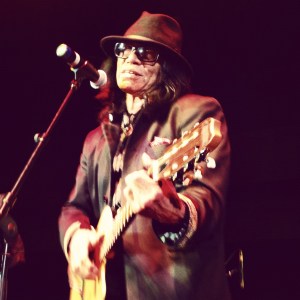
I’ve never seen the entire audience at a movie theatre sit through all the titles at the end, until I saw Searching for Sugarman a couple of nights ago. The film had been showing at Rosebank’s Cinema Nouveau for months – the first time I went to see documentary it was chock-full – but, incredibly, there was still a sizeable collection of people gathered to pay homage to Sixto “Jesus” Rodriguez..
The story of how Rodriguez, who lived in complete obscurity in his Detroit home in the US, and was “found” by two South African fans more than 25 years after his albums were released, has a fairy-tale quality to it. This is – apart from the fact that it’s a great documentary – no doubt why it has received numerous awards and critical acclaim across the globe.
The singer is not only a huge talent, but also a genuinely humble, nice guy, so he was able to quietly step into the role of long-lost hero with style and aplomb in the one country that reveres his music. This was in total contrast to his fans, who, when he finally appeared onstage in 1998, screamed without stopping for around frenzied 10 minutes, before he was finally able to sing his first song.
To give an outsider an idea of what Rodriguez meant to so-called white South Africans, he apparently sold half a million albums here (for which he received, I believe, no royalties). There are only four or five million so-called whites in this country, which means around one in 10 of them must have bought his music since 1971, when his albums came out.
And that’s not counting the countless others who taped the albums back in the days of cassettes. And if you also factor in how many whities heard his music from people who bought or taped it, it means practically an entire generation heard and grew up on his songs. He is part of our collective psyche, and is probably the most influential artist on white South African consciousness of the last quarter of the last century.
For those who weren’t here back in the bad old days, Malik Bendjelloul’s documentary explains pretty clearly, through interviews with South Africans, just why Rodriguez’s lyrics had such a massive, profound impact on those living under the oppression of apartheid. Many of his songs were banned, and never made it onto the radio, all of which merely encouraged people to acquire them.
I don’t want to give away too much, because this is a movie I think everyone should see, whether one hails from South Africa or not. It’s a universal theme, and it happens that every now and then that late in an artist’s life someone discovers their art in some other country, a la Buena Vista Social Club, or he or she discovers they are ‘big in Japan’ just when they were thinking of giving up on their art. Many South African artists only ‘made it’ in their own country when they returned from successful tours overseas.
And in the case of Rodriguez there’s the added irony that he isn’t ‘white’ at all – he’s the product of American Indian and Mexican parentage. Most white army conscripts’ musical collections in the 80s, I recall, were well stocked with Rodriguez and Bob Marley, both of whom conveyed messages entirely antithetical war and racism. Did the conscripts, rocking to these grooves in the heat of the Angolan or Namibian sun, know this at a conscious, or at some deeper level?
I guess no one will ever know. What I know for sure is that I am going to see Rodriguez’s fifth South African concert next year. Sugarman is still sweet music to my ears.
flats, fredie, fascists and franswa
It’s reassuring to know that there are areas of South Africa, only half an hour from Pretoria, which are not only out of cellphone range but are also, incredibly, not on Google maps either.
My tiny adventure happened on the Lord’s day of the week, which meant I was beyond help, because nothing is open on Sundays in rural areas; obviously, nothing untoward is supposed to happen then.
All that actually happened was that the back tyre on my motorbike went flat.
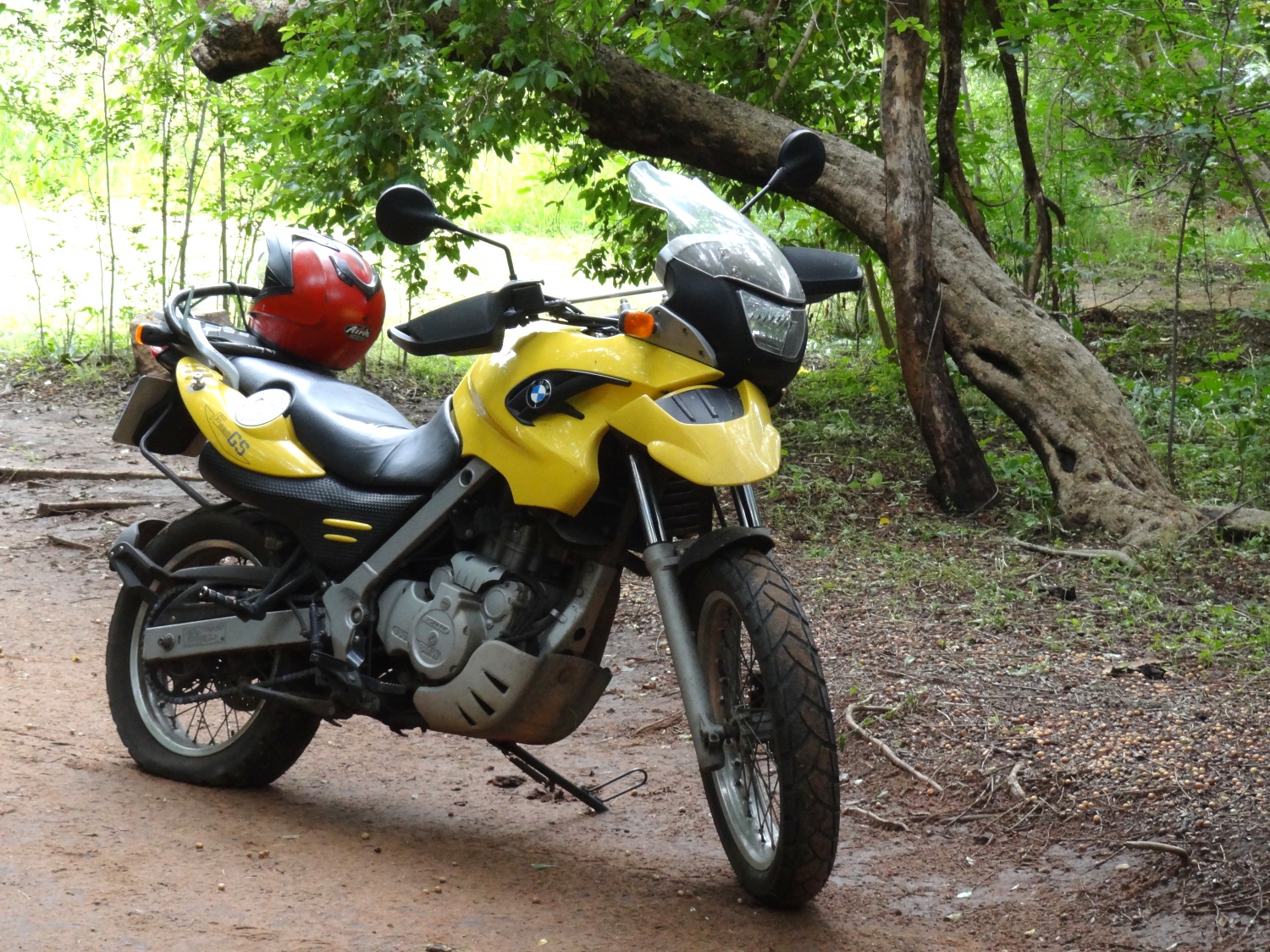
I was in Tweedespruit, north of Cullinan, visiting a beautiful valley where an elderly German couple reside. Rolf was busy sharpening his fishhooks in anticipation of catching bass when I arrived late in the morning.
He told me how he was trying to get some sort of communication going with the outside world, as there are no landlines and cellphone reception is practically non-existent. Without contact with the outside world, he cannot book clients to come and camp or hike on his pristine property, Frogs. But to establish an internet and phone connection he has to pay R15 000, quite a lot of cash … a bit of a Catch-22 situation.
I went down to the river after drinking some home-made, delicious ginger beer made by his wife, sat by the stream, smoked a small joint, played with a stunning dog that came to join me, swam, and then meditated a tad.
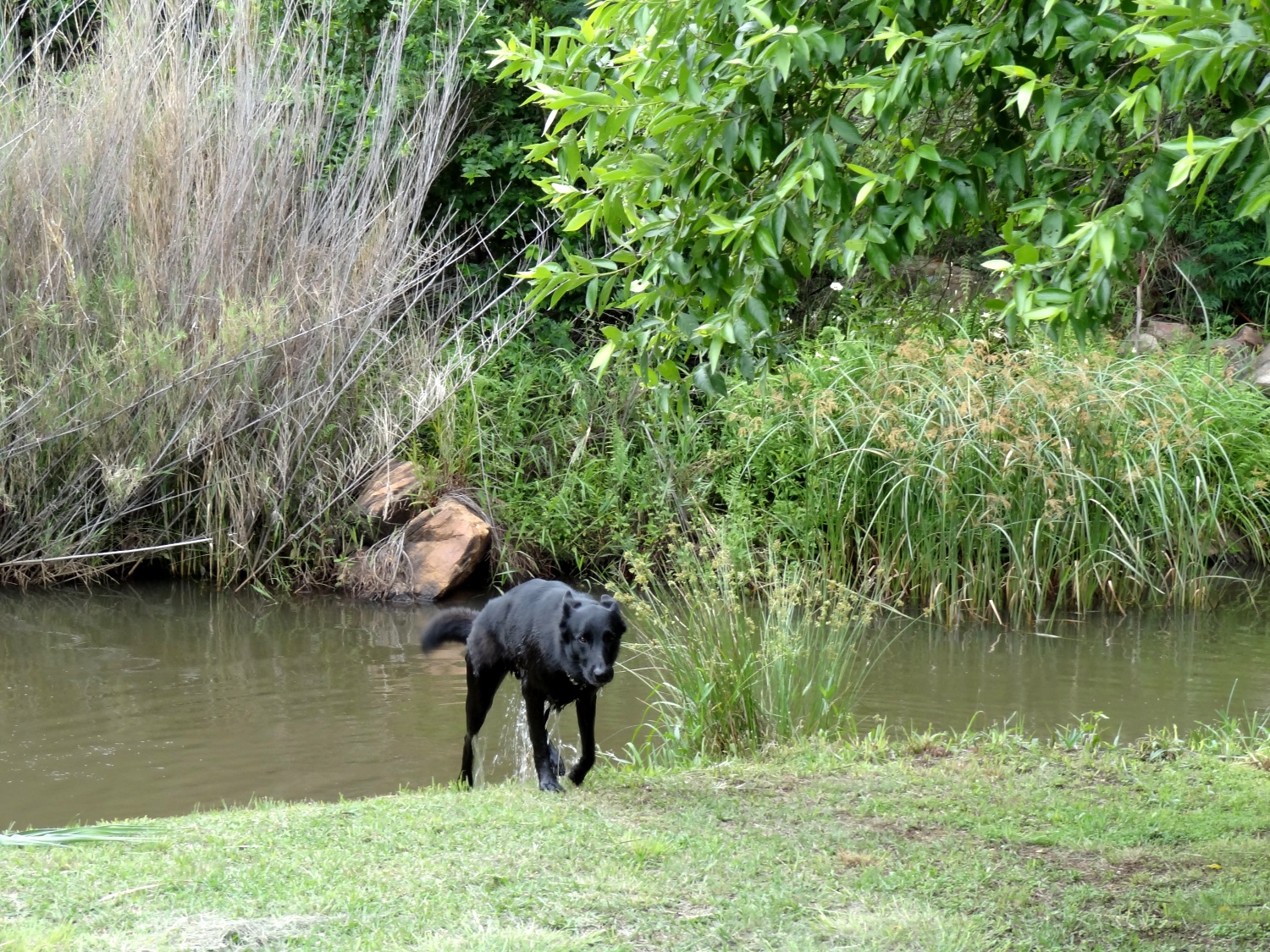
I realised that the city of Joburg had once again filled my being with fear and tension, and prayed the valley would help to release it. A kingfisher came and went; I was drawn to the world of insects; once I noticed one, a large black and yellow bug, I saw many more.
Returning to my trusty steed, I noticed the back wheel was completely flat. This would normally not be a problem, but being in this remote valley, it quickly turned into a challenge of note – how to get back over 100km to Joburg, or how could I get the wheel temporarily repaired?
I returned to Rolf’s home on the bike, and was told that across the road from their tiny farmhouse lived the musician Fredie Nest, who owned a compressor which could fill my flat.
Alas, upon finding his home, the compressor was unable to fill the tyre, as the valve appeared to be truly fucked. But what a place! Ancient, incredible cars and boats stood in rows by a man-made lake, replete with a slowly revolving water wheel.
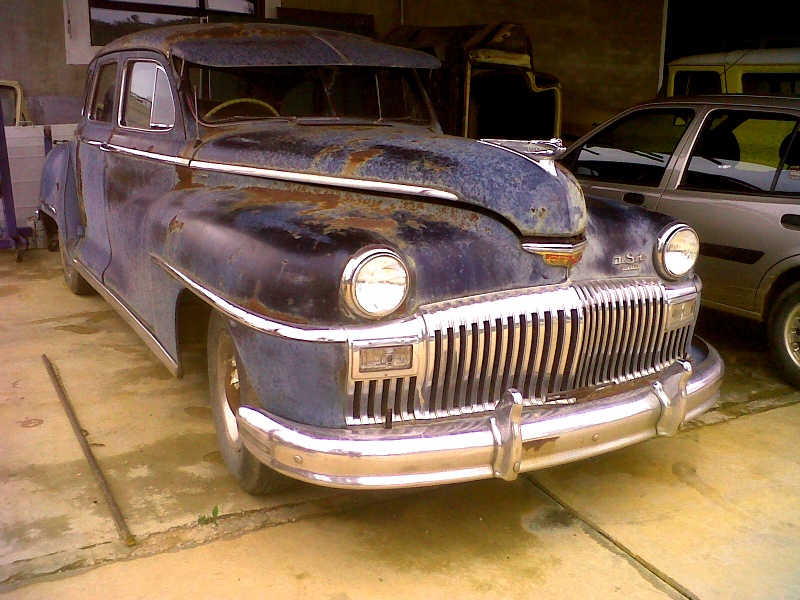
Fredie’s wife and his servant tried their best to help me, but to no avail. I was told to stand, first in the peach orchard, then next to the lake, to try and obtain cellphone reception, but my phone indicated there was not the slightest sign of contact with the outside world …
They also told me that, even if I did manage to phone someone, there was no way to give them GPS co-ordinates, as there were none for where they lived. I checked this when I got back to the online world, and true as Bob, that area of the map is just a blank: no roads, streams etc.
So I drove to Cullinan, to see if anyone there could help fix the tyre. The bike handled the flat tyre quite well, and though I braced myself for a fall at any moment, I was able to get up to about 60km/h once I hit the tar roads.
In Cullinan I was directed to a disheveled smallholding, but the tyre repair business there had closed, and there was not so much as a puncture repair kit left – just one patch, but no glue to hold it in place.
One of the guys who had gathered around my bike suggested I ride to Rayton, about 10km from Cullinan, and buy a puncture repair spray, which fills your tyre with a foam which is supposed to get you to get to your destination. This I dutifully did, along with a miniature crew of helpful petrol attendants, but the spray just blossomed out of the bottom of the valve onto the garage concrete and did no good at all. All the repair places were closed of course, it being Sunday.
So I rode to Pretoria, where a friend of ours stays, and from there I phoned my insurance company, who sent a roadside assistance crew to get me to Joburg. Retha, who had just got back from India, told me how she and her partner got stuck in Mumbai. Apparently the guy in charge died, and the whole city came to a standstill – even the ATMs closed.
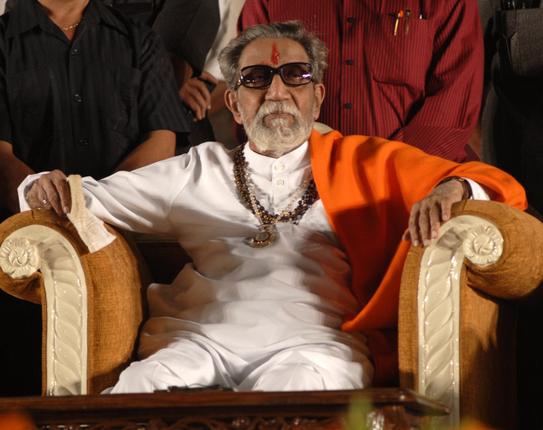
Bal Thackeray had over two million people at his funeral, many of them weeping openly, yet he was a man who publicly proclaimed his admiration of Hitler and who had made statements like “Muslims are spreading like a cancer and should be operated on like a cancer”. I have never understood how fascists arouse such love from the general public. It’s like Zuma, he just can’t do any wrong, no matter how long the list of mistakes he makes gets.
Franswa – a man with a pronounced Malmsbury “brrrray” arrived with his wife and a trailer, and we set off for my home, with her sitting in the back of the tiny, stuttering bakkie, next to the tools and cans of petrol; Retha gave her a cushion to ease the trip.
Along the way Frrrranswa told me of his job – he gets R50 per job, while his boss, who owns the car, makes R300 minus costs – and has to be on standby 24 hours a day. He gets called out to Mamelodi township in the middle of the night. Big guys phone me because they are too lazy to fix a flat, he told me. Anyway, he said, this job is better than sitting at home just drinking beerrrr.
And he often gets tips. But, after sitting for half an hour on the freeway waiting for an accident to be cleared from the road, I was so tired and hungry after five hours of nursing my bike home, and so distracted by the paperwork I had to fill in for being towed, that I forgot to tip him.
I did however find a video by Fredie Nest, called Krummelpap. Check it out on http://www.youtube.com/watch?v=1Qwt4c4FnNQ!
Some things just never change in SA!
green-ness envy

San Pedro, about to bloom
Dali bath
the gluten-free diet is clearly working
maak’s spirit
Some Belgian friends of friends, who have opened an art space called King Kong in Joburg in an old factory, bought these guys, Maak’s Spirit, over from that country to SA recently … they played for four days, every day and every night, for hours, before returning. I only saw one gig, wish I had seen more .. they warp reality with their genius ..
bizarre shop window displays
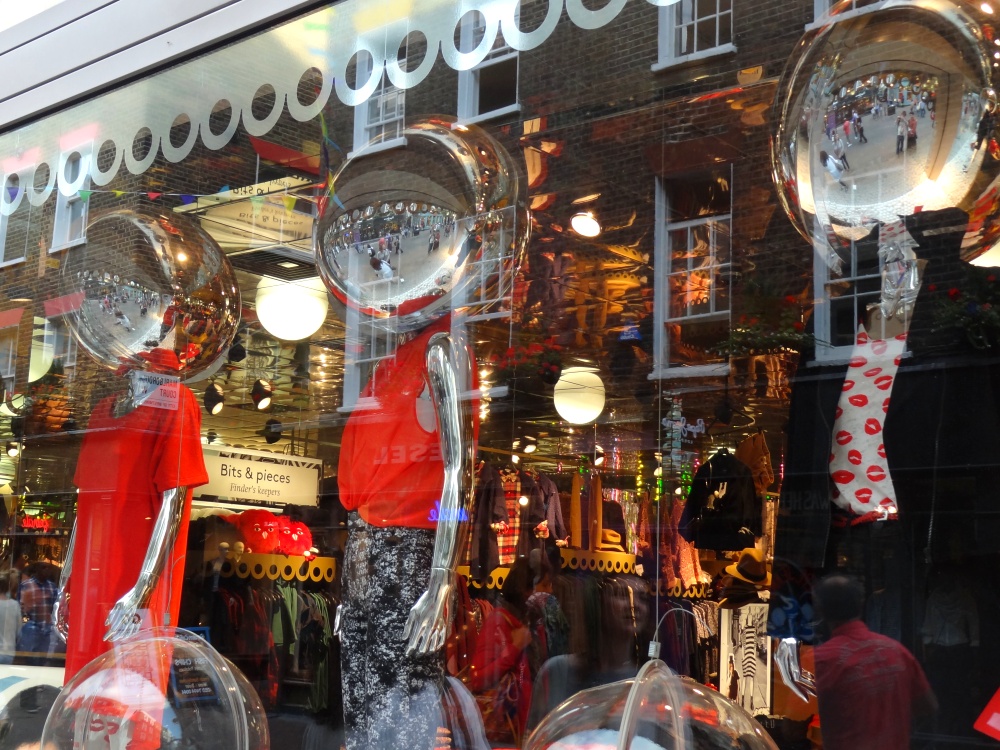
If someone has an idea of what this is supposed to be, Roswell fashion or wtf, please let me know ..

- Cauliflower heads – who needs that thing on top when you’ve got a perfect body, dummy?

more of the same old, same old…
Johannesburg – The media coverage of the upgrades to President Jacob Zuma’s Nkandla home required government to “dust off” apartheid-era legislation, media law expert Dario Milo said on Friday.
“The Public Works Minister’s (Thulas Nxesi) response to the (Zuma/Nkandla) expose was twofold,” Milo said at Wits University in Johannesburg.
“(These were) to call for the City Press, which first broke the story, to be investigated for the crime of unlawfully processing a ‘top secret’ document, and to refuse to answer questions about the Nkandla funding because it had been declared a ‘national key point’.”
He said both these propositions required Nxesi to use apartheid-era security legislation such as the Protection of Information Act of 1982 and the National Key Points Act of 1980.
“This is hardly the type of legislation I would want to be relying on if I were in the minister’s position.”
The use of these laws was a current threat to media freedom and was being used to stifle transparency and accountability, he said.
Read more of this article HERE.
tautologies
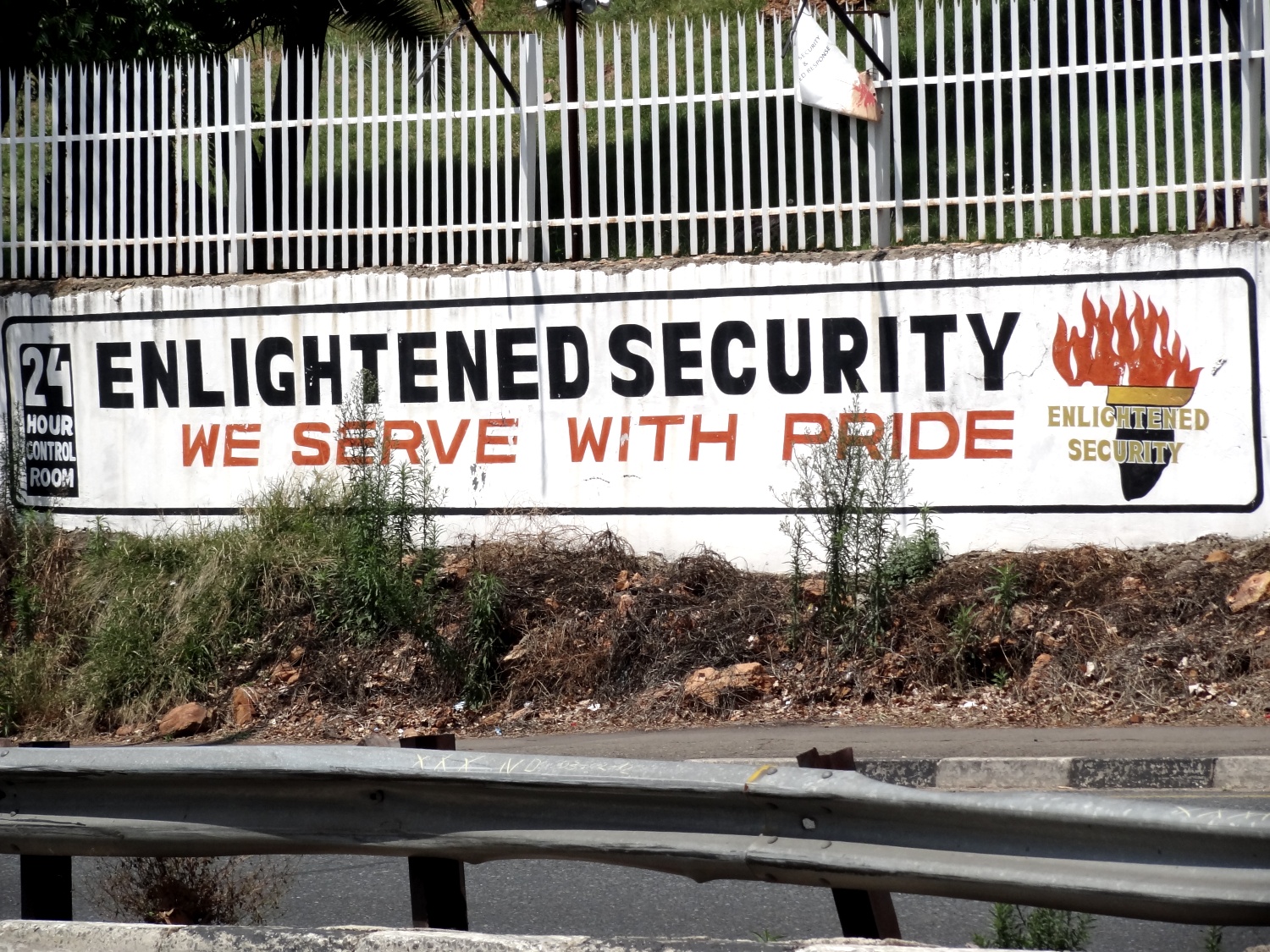
A bit like ‘military intelligence’: the bigger the lie, the more likely people are to believe it …
brave new leaders
Why is it that people we entrust running our countries to – and therefore, in effect, collectively, the world – don’t need to have a degree? A doctor needs to study for seven gruelling years before he or she is allowed to examine and treat your body, but politicians can somehow take a country to glory or ruin based on being elected on sheer charisma.
Would you let someone operate on you because they have a great smile? No? Strange that we let people run a country who, in South Africa for instance, never even attended high school.
Why not establish a special college , call it Polit School, where those who excel at school – the top academics, head boys and girls, etc – go to, and are groomed for, in order to learn how to run a country? Or, if someone who has already left school wants to run a municipality, province or country, that person could apply to study at this institution.
The most important quality must be integrity; the college must be based on a code similar to that of the knights of the middle ages. The strong are there to protect the weak, chivalry and honour top the list. Any blemish of character relating to dishonesty, cruelty or self-enhancement at the expense of others would disqualify candidates immediately. Thorough background checks are mandatory.
The rigorous selection system and exams run by the college board would ensure these professionals adhere to and adopt a code of ethics every bit as strict as those who study to enter the legal or medical field.
One of the most important subjects at this college would have to be history, since learning from past mistakes is something politicians appear to have little aptitude for. Hopefully this prize team of carefully selected individuals could take the human race past its present, circular set of stumbling blocks, and we can stop banging our heads against the same walls so repetitively.
Come election time, citizens would only be allowed to select Polit School candidates to run their country, cabinet, parliament etc from this pool of highly ethical, trained professionals. Of course, once they qualify, they have to enter the field at the lowest rung – in communities and villages and townships – before making their way to the top.
And they would be subject to screening at every step. And those who do the screening and selections – same goes for the candidates – are simply not allowed to be connected to big business in any way whatsoever. The connection between corporates and politicians has to be severed. It’s a serious business running a country. Let’s turn it into a science.
Leadership is also somewhat of an art. Some of us are just not cut out for it, no matter how hard we would work at Polit School. One would rather rule with love than fear. You have huge responsibilities placed on your shoulders, and you chose them; you as leader have been entrusted with taking care of millions of people, not only in your own country, but those bordering it. Today the human race is a global phenomenon ,so whatsoever actions you chose to implement at home will have ripples abroad.
We are no longer isolated entities and our very survival is at stake because – shame to admit it really, as we do regards ourselves as intelligent creatures – we still don’t know how to get on with each other. So the election of the world’s leadership is critical right now.
We need to do away with greedy leaders who comprise the 1% and start sharing resources because there are enough actually, if shared and managed wisely. Leaders need to lead by example. Their behaviour must be impeccable. If there is any slander against them it must be investigated and cleared immediately. People cannot doubt their leaders, just as small children cannot doubt their parents.
What has changed is leaders can’t bullshit the masses as easily as they used to. In the bad old days you could start a border incident with a few well-placed gold coins, a ship gets sunk or a village torched and bingo, you have your excuse to invade the neighbours because “they started it” and we were “acting in defence”.
After that came control of the media – Goebbels realised its power, so did the apartheid regime, and the mainstream media is massively controlled by the US police state even today. But cracks like Wikileaks are appearing and the forces of opposition – Anonymous etc – grow stronger by the day. We can’t be fooled as easily as we once could.
Our leaders need to unite us all to address the real challenges of the day – the destruction of the environment, water scarcity, food shortages, housing, education, meaningful employment and relation to each other – rather than bullshit like wars and squabbling over resources and territories we all need to now share, or we will perish in large swathes.
If there are disagreements, the one thing the ancient tribes resorted to that I kind of dig is at times a champion from each tribe would be put forward to solve the unsolvable disagreement. Sometimes it was the chief himself … maybe there were even herselfs who fought for the tribe’s honour. Imagine today’s leaders doing something like that? We need brave leaders who can walk the talk, not cower behind their police or armies. They have to be at the frontline.
The old order changeth and the new one emerges. A system of leadership which was based on monarchy which became the lapdog of corporates and was always based on lies and fear and plunder is falling. The only world superpower since WWII is becoming replaced by a number of growing, other superpowers. The monetary system as we know it is in danger of complete global collapse. Its a 2012 scenario and its already started.
What replaces it is the question. If the centre collapses, is it filled by complete chaos, anarchy in its worst form? Things are polarising fast, and those with the most possessions have the most to lose. So, whose side are you on, becomes the question … and who will step forward with the guts to lead a new world, with a new style of leadership, is the big question.
devil penis magic

Doorkeeper between realms
elena filatova – the serpent’s wall
Elena Filatova has created this intriguing site about the defensive walls around Kiev in the Ukraine. They were built before the Mongol invasion in the 12th Century and a huge resistance was mounted in WWII against the Germans there. It’s a fascinating read, despite her not-so-good English.
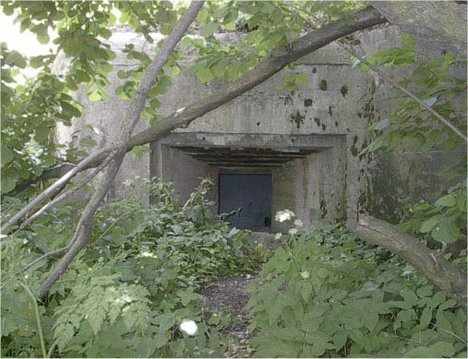
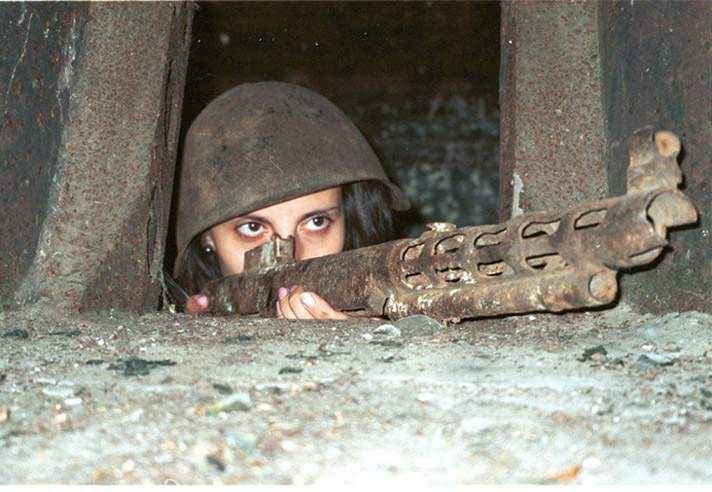
Elena and a bunch of friends spend loads of time digging for relics around Kiev. They take bikes and metal detectors and beers and camp out and play guitar at night, after digging until they drop in the daylight. They’re addicted to the thrill of unearthing old arrowheads and earrings and coins that go back thousands of years, or machine guns or helmets or grenades from massive, half-flooded concrete bunkers from the Second World War.
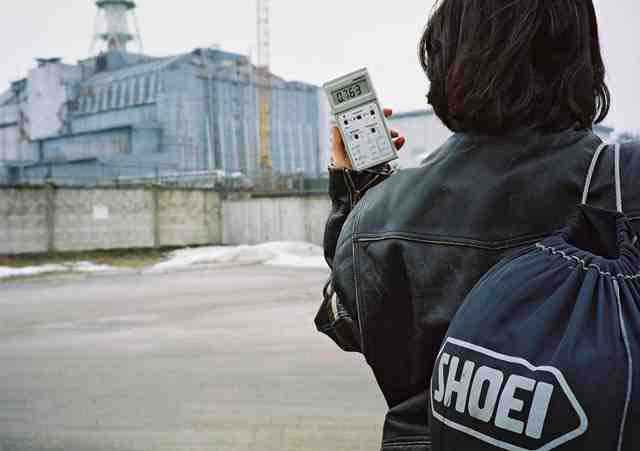
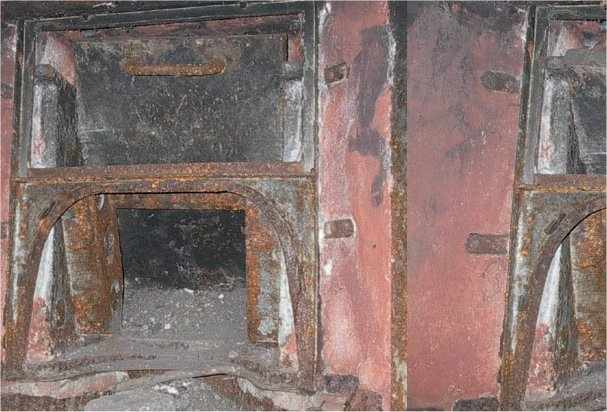 Elena, whose father was a nuclear physicist, also (apparently) rode through the Chernobyl ‘dead’ site on a fuckoff big motorbike, documenting the destruction that was left behind, including how the ‘liquidators’ were sent in to seal the site and how many died later as a result of massive exposure to radiation. It’s all on kidofspeed.com. There has been a lot of speculation on the Net that Elena didn’t actually ride through the Chernobyl zone on a bike. Some writers on sites like Wikipedia suspect her story is a hoax. But even if she did go as part of a tour, in a car, her photos are nevertheless real, and so are the stories they tell, for instance, of people who refused to leave, who have mostly since died… “I would rather die at home from radiation, than die in an unfamiliar place of home-sickness,” as one old man put it… Stories of an area of the earth that will be polluted for the next 48 000 years…
Elena has also documented experiences of Russian prisoners – you can find these on Echoes of Trapped Voices – with titles like “Shoveling diamonds up the arse of one’s own destiny”. If you do enough trawling on the Net, you’ll find she’s written about a host of topics, from the nuclear disaster in Japan to the London bombings. She is sure one fascinating, free, unusual hell of a woman.
phodograffi
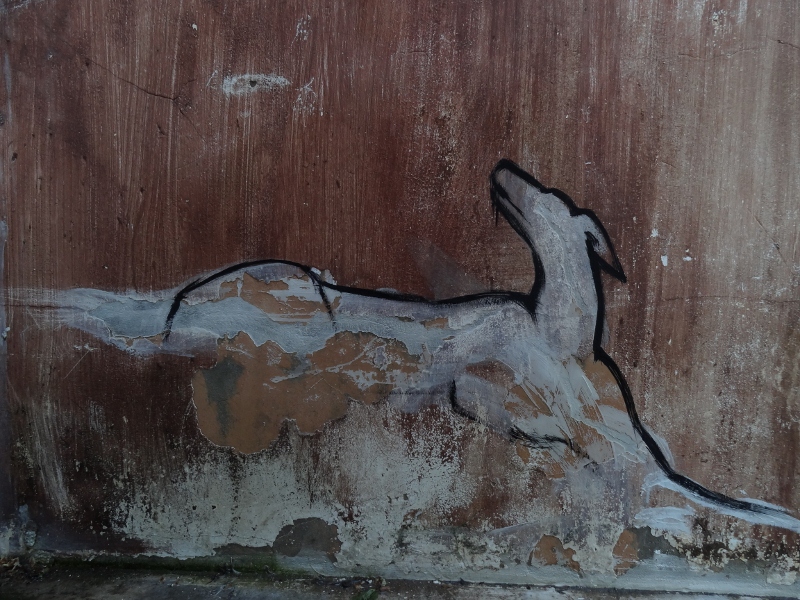
Susanna Smith: Phodograffi
Multi-media artist Susanna Smith captures form from pre-existing patterns on a wall.
In this case, insulation at our outside shower…
 fleurmach