
Author Archives: psychaderek2012
treeporn
rock art

This wall of rock is close to Tsitsa Falls in the Eastern Cape, an amazing spot I only recently discovered ..
trash corner
uitgepas!

This photo was taken by Susanna Smith .. there has been no photoshopping ..I held the solar light above the pup, in front of the fire ..
cat’s paw

purple haze
i’m heavy
I been to war,
It don’t get more hardcore
If you knew what I’ve seen
If you been where I been
I been hit by a car
And it threw me fuckin far
I pranged on Houghton Drive
And walked out still alive
I’m heavy
So don’t push your luck
And don’t give me kak
Cos I’m heavy, man
I’m heavy
I stood by the bed
Of my dad till he dead
I told him my life story
Didn’t spare him no the gory
I smoked heroin and crack
And managed to come back
I mainlined ketamine
And saw worlds I shouldn’t seen
I’m heavy
So don’t push your luck
And don’t give me kak
Cos I’m heavy, man
I’m heavy
I been stabbed I been burned
Tied up and spurned
Bitten and gored
Winded and floored
I was there when my boys they came into this world
On the other side of earth circumstance has them hurled
I known love known loss known many good connection
No way I can just pray for instant soul redemption
I’m heavy
So don’t push your luck
And don’t give me kak
Cos I’m heavy, man
I’m heavy
soul kitchen
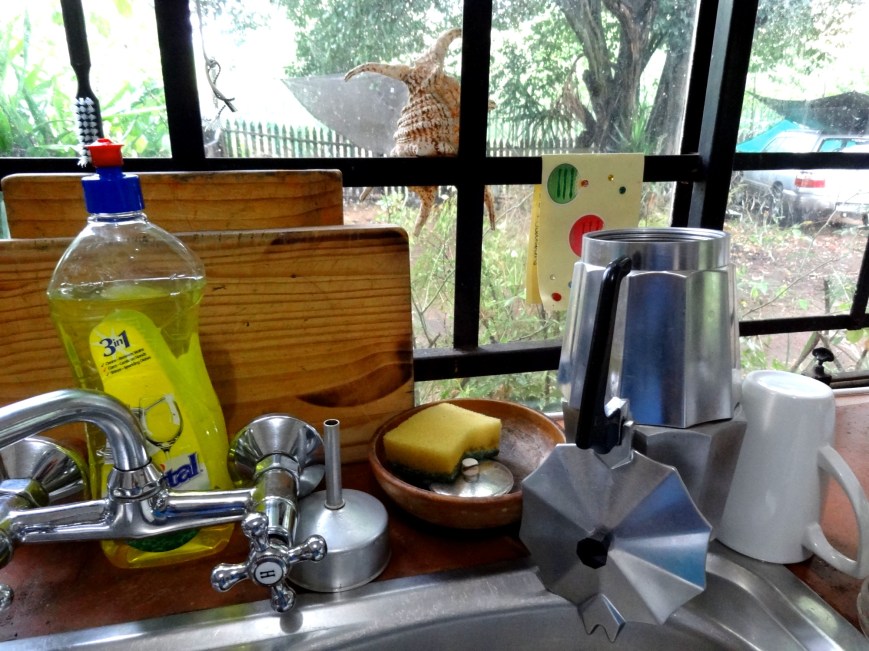
I live next to a river, and despite the fact that I am in the middle of Joburg, the valley creates a freak sound blanket. It’s dead quiet, but I can only hear that if I can get my mind to shut up .. it happens now and then, like when I wash the dishes ..praise be to Jah!! Rastafari …
dildos, devotion and discipline
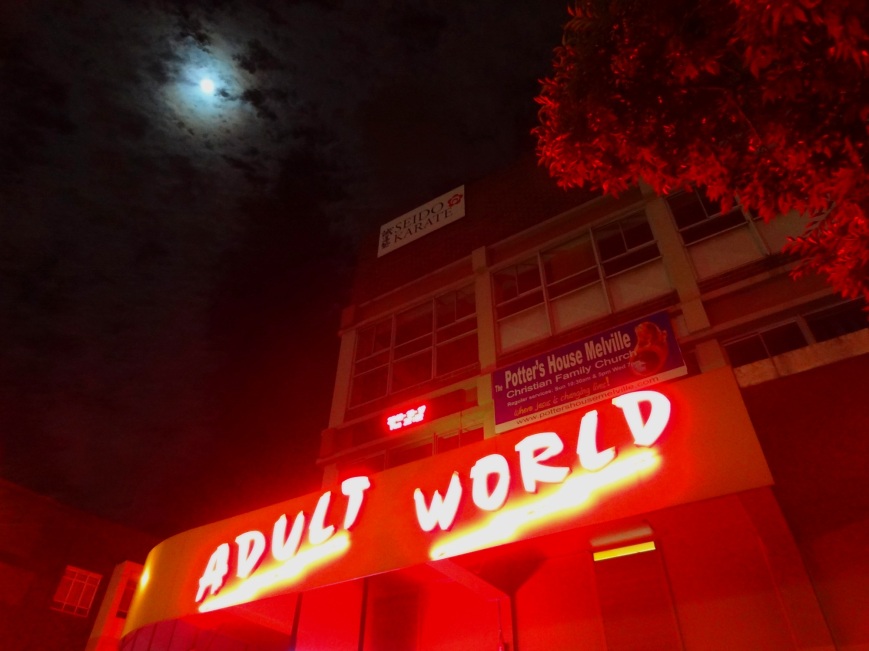
Rather like Dante’s Inferno, a humble building in Melville offers a sex shop at street level, an Evangelist centre above, and topping that, a karate centre. Lust, worship and a healthy dose of sweat and discipline… all just metres apart. What karma does this building generate, one wonders? Wikipedia fills in the gaps as to what these institutions have to offer:
Top floor: (Heaven) Seido Karate
Seido Karate was founded by Japanese master Tadashi Nakamura, who trained in various martial arts including Goju-Ryu, Kendo and Kyokusin, and studied under Mas Oyama, founder of Kyokushin. His beating of a Muay Thai champ in 1962 made him a national hero. After attaining 7th Dan Oyama told him to spread karate in the west, and, aged just 24, he began teaching Kyokushin in New York, where he taught several celebs before starting his own style, Seido Juku.
Seido means ‘Sincere Way’ and aims to develop students not just physically but also mentally, helping create ‘complete’ and ‘balanced’ individuals committed to improving themselves and the communities they live in. Seido karate’s three main principles are respect, love and obedience (not subservience). Very Japanese stuff: love for one’s family and friends, respect for your fellow karate-ka, your seniors, your parents and their knowledge and experience, and obedience to the laws and moral rules of life. Fuck yeah!
Sandwiched in the middle: The Potter’s House
The Potter’s House is a mega-church established in the mid-90s in Dallas, Texas. To handle expansion, the church built a 17,700 m2 sanctuary at a cost of $45 million, and paid off the debt in just four years. By 2000 founder TD Jakes was holding three services every Sunday, with attendance of over 23,000 in the sanctuary and the overflow room.
The church runs a program for ex-offenders trying to find their feet after being released from jail, helping them to find jobs and housing and to deal with substance abuse problems. It also has programs for teenage mothers, abused women and the homeless, runs a literacy program and has an Aids ministry. The Potter’s House has provided aid and sent missionaries to places such as Belize, Mexico, Guyana and Kenya. But for all their friendly aid, gays are not allowed and Christian marriage is encouraged.
The name comes from Jeremiah 18:2, “Go down to the potter’s house and there I will cause you to hear my words…” The churches are strongly evangelistic, and there are 67 in South Africa alone. The Melville site reads: “I have seen drug addicts set free of their addictions, sick people healed and ordinary people find extraordinary hope and joy. This has been the result of people coming to know Jesus Christ and grow in their relationship with Him. He truly is the answer to all our problems.” If it were only that simple!
And on the bottom floor (hell)
Adult World – South Africa’s Adult Sex Toys and Sexy Lingerie Store
Adult World is “proud to be South Africa’s leading adult retailer” and offers the “finest, most stunning lingerie in South Africa”.
There are “babydolls” in the underwear collection, whatever those are …so feel free to browse around, says their site. Be sure to try the “classy” and “stylish” sex gadgets and goodies. And, just in case you missed them, don’t forget to take a tour around the adult DVD collection, for a “delightful selection of adult movies you’ll surely enjoy”.
If you are too chicken to try the real store, just shop online: “We assure you that you will definitely enjoy a safe online adult shopping experience with us”. No trolls or viruses here, mate ..
solid fuckall
“If you feel you’re standing on solid ground, you’re DEAD.”
— David Bowie, on the creative process
ennui
the guardian

women’s day
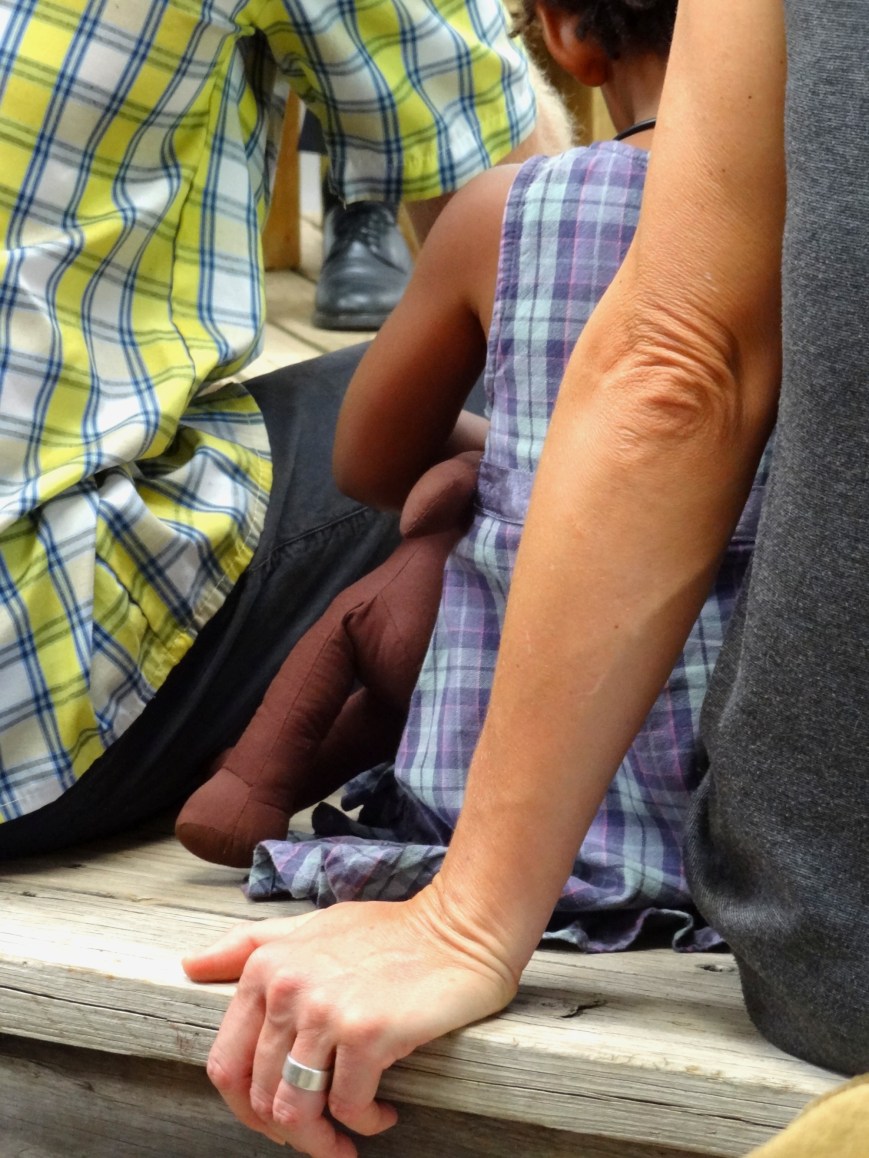
Artist mum and her photographer daughter embrace on Women’s Day
hipsters

Are today’s 20-somethings living in a bubble? They certainly seem to be a lot more relaxed than we were, growing up in the apartheid 80s.
marimba memories
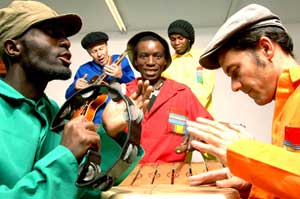
In the year 2000 I stopped my beat-up old car to help two guys who were carrying marimbas and gave them a lift up to Melville. On the way we got to chatting, discovered we were all musos, and I decided to come and jam with them while they busked, which I did, a few nights later.
This pair used to come all the way in from Orange Farm township in the Vaal, almost 40km out of Joburg, to busk until midnight outside Melville’s clubs and restaurants, then take a taxi or train home again. So whatever they earned, which was often a pittance, had to cover considerable transport costs – one of apartheid’s architectural legacies, which will take generations to change.
I kept playing with these two guys on the streets, for a couple of years, through winter and summer, on my djembe, cos it was quite something to experience. We were all from Zim, so we had something in common. It wasn’t the first time I had played with so-called black musicians, having played djembe with a maskande outfit called Abafana Bakwa Zulu a couple of years previous to this, but busking was new to me.
Busking is quite a cool way to get really fit on your instrument, and tight as a band. It’s kind of halfway between practicing and performing … sometimes you have an audience, and you have to step it up, and sometimes you don’t, and you can experiment with new songs and licks. If a crowd gathers you can hit on a song for like, 10 or 15 minutes, as long as they are getting into it, which can create some pretty deep calluses if you happen to be a drummer.
In winter, it got so cold that I used to play with a T-shirt, long-sleeve shirt, jersey and leather biker jacket on, plus a hat, even though I was drumming full-tilt. The crap thing about playing a djembe drum outside in the cold is that your hands are moving, creating wind, so even though they are hitting the goatskin hard, on the way up and down they are cooling off, and never really warm up.
Time passed and our little group, which we called Chapungu – meaning ‘whirlwind’ in Shona – apparently it has other, mystical connotations – became fairly good. The dudes found a place to store their instruments, or they would store them at my place, making getting to and from our favourite busking place on the corner of 7th and 4th in Melville much easier. We started getting better tips – we even got a R200 note from a tourist once – and we made a free one-day recording dubbed Sons of the Sun with a guy called Adrian Ziller, bless his heart. My friends helped to design the album cover and print it.
I started visiting the dudes in Orange Farm, which was a full-on jol. Many so-called whites think townships are miserable places, full of suffering and hardship. I’m sure they can be, especially at night in winter, or when the wind howls through Orange Farm, whipping up the dust.
But on my visits, I found a tangible sense of community; neighbours would wander in while we played and get into the vibe. Gangs of kids and dogs would pass by; fences were few and far between. I was uplifted by the music, which was, I guess, our common language, and started playing at events with the dudes, at schools, cultural gatherings, sports meetings, weddings.
There were quite a few kids who used to come and play with the adults; generally the girls would dance and the boys would drum or play on the marimbas, which were all handmade. We started making uniforms for them, with cloth supplied by my friends, or gathered from here and there in the township. The singer’s partner was carving out dance routines for the girls. Things were gathering momentum.
There was a couple in Joburg who were also keen to help our band; they had access to a trust fund, and donated some money which was used to buy tools, which were to be used for making marimbas. We also tried making drums, but it’s not an easy thing to make a good drum.
This couple took us on a trip to visit the Khomani San, who had been granted land by the SA government – but not the means to make a living from it. This couple, they were trying to set things up for some of the Bushmen, a camp which tourists could sleep at, a place to grow indigenous plants, that kind of thing. We met Dawid Kruiper, who was quite famous for his role in getting the land, and a couple of San sangomas. We slept in the camp, which was full of large, black scorpions, and read Tarot cards on the roof of the Landrover, while high on Sceletium, which gives you loads of energy, a natural speed. We dropped our pants and gave brown-eye to the bottle store. It was quite a trip.
Then the couple organised a group of musicians and performers to go on a country-wide tour to advertise a new MTN product. It was called the Multi-Talented Nomad tour, but I didn’t go on it, cos I was working full-time and couldn’t get two weeks’ leave. The guys went on the tour, made a couple of thousand bucks, and decided to go and visit the same Bushmen again, but this return trip didn’t go too well. They apparently shagged some of the Bushmen prostitutes and at least one of them caught AIDS. The singer, a short, fiery character with only one eye – died a few years later. He didn’t make it to the era of ARVs, when having AIDS is no longer a death sentence.
Things had started falling apart even before he died. As soon as we got funding, he and the bassist started arguing about who owned what, and the tools bought with the funding were kept at the singer’s place, and the whole positive vibe started crumbling.
Sometimes they would bitch at me about each other and I just hated being the middle. Fuck that. I really didn’t want to take sides. I was trying to help, not because I thought I should, but because I had just ended up getting involved in the music with these guys and I often had the means to help – the access to transport, to money, to the media. It was unavoidable, but sometimes it had unforeseen consequences.
Eventually, Chapungu broke up, and shortly afterward I was invited to take part in a musical play at the Aardklop festival in Potchefstroom, with the bassist and a group of performers from Orange Farm. We had a teacher who had toured Germany and he knocked our performance into shape, around the idea of a Magic Marimba Tree, from which music came, and provided nourishment to a parched land. I was the white priest, and wore a dog-collar for the role.
When we drove down to Potch I was the only so-called white in the cast of about 14 people. We played on the fringe of the festival and did workshops in the townships. I ate and slept in a room full of blacks, who seldom spoke English … my fault for not knowing Zulu, I guess. The best part was between gigs, as we jammed all day at the backpackers we were staying in, often with outsiders from the festival, who heard us and joined in.
Our mentor came to watch our final performance, hated it, and crapped all over us. We were totally dispirited. Then he wanted to ride back to Joburg in my car, not the overloaded minibus the rest of the crew were to travel in. I split before he could get in, pissed off with his attitude. We had tried our hardest to do a good show. Then we couldn’t get our money out of him. We only got paid after I threatened to put a debt collector on his ass.
The most vivid memory from the whole show, which went on for about a week, was when a beautiful young woman in the cast, who I had been eyeing from the start, stood behind me on the stage and softly put her hands on my shoulders, during the encore. Nothing more happened, but it was an intimate acknowledgment. I see you.
After Aardklop, some of the performers started congregating round the bassist’s place, practicing on the marimbas, and continuing with coaching kids, who would come in after school to play. They were also playing at a nearby school, the kids were winning prizes for their performances, it was all very organic and grassroots. I set up a website for the group. We started playing gigs at cultural events like the Green Africa Party, and then got onto the books of booking agencies, and began playing at corporate events like year-end parties. We made business cards, bought bright uniforms, and started playing quite regularly. This was before the recession, which killed the golden goose of regular corporate gigs, for us and loads of other musicians, including my drum teacher.
I was still doing a day-job, and was asked to write a piece on jazz experimental maestro Zim Ngqawana by the Daily Sun. I met his agent at the Zimology Institute, which he had set up for his jazz students, ironically right next to Orange Farm township. I got to know his agent better, and she helped us to set up an NGO for the musical training of the township kids. After some applications – again, with the help of a friend – we obtained funding, enough to provide the adults with salaries for a couple of years, and to buy some better musical instruments.
This era was our peak. Both the kids and the adults were getting lots of gigs. The kids took part in the FNB Dance Festival a couple of times and won prizes at the National Marimba Competition. They appeared on TV shows and in newspapers; soon we had an entire album of photos and clippings.
The adult group was traveling all over Gauteng and beyond, playing at weddings and parties and openings. A really good (so-called white) guitarist joined the crew, adding an extra car and skilled licks. I evolved a new style of playing the drums, with the djembe where the snare usually stands, and the snare off to the left. I could switch fast between snare and djembe, and play hi-hat and bass foot with both.
We had a huge repertoire of songs, way over 50 songs; some were covers, but many were originals, which had evolved over years of playing. We were playing gospel songs, African jazz, traditional African songs, including some Chimurenga stuff (Zim protest music) and some more bluesy and reggae stuff.
We got a trailer to put the marimbas in; slept over in posh places and demanded, and got, proper meals and treatment from clients, via the contracts with our agencies. Achimota also brought out a CD, recorded free of charge by Brendan Jury, called Ukuxolelana (Forgiveness).
But, after a time, cracks began to show. A key member of the group left to pursue his own musical career. His replacement had less energy and the group, already low on vibrancy, started losing impetus. The recession provided less jobs … the funding for the NGO dried up. The problem of getting to practices, when the guys were 40km out of town, was a thorn in our flesh from the start, but it didn’t matter when we were all into the whole thing – we basically practiced when we played at gigs. Now it was just this massive divide. We weren’t learning new songs, and things were getting stale.
I started standing back, trying to get the other members of the band involved in setting up gigs, obtaining funding, running things themselves. But no-one seemed willing, or able, to keep the ball rolling. I became tired of putting in time and effort, to make things happen: organising gigs, drawing money, sorting paperwork, dealing with clients, auditors and agents.
There were two final straws which made me pull out after twelve years of playing with my marimba mates. On both occasions, we were booked to play for corporate clients, and the guys didn’t pitch on time. I was left carrying the can, got crapped out by the agent and client both times, and, on the last gig, we lost our one remaining agent in the process. That was it.
I had so many experiences with these guys. We travelled thousands of kilometres together, listening to reggae and world music, dreaming of the day when Mugabe would finally die and we could visit Zim to dance on his grave. We often slept in the same room en route to gigs, and I even shared the same bed with them a couple of times.
We played to ecstatic, wildly dancing audiences, and totally bored executives, who would have likely preferred wallflowers to our presence… the catering staff at events was usually our best audience! We fixed broken trailers, cars, instruments, egos and homes together. We busked in Newtown for the whole of the Fifa World Cup. I even did sweat lodges and took psychedelics with some of the dudes.
But there was always that line, that divide, between black and white, between middle-class and poor, between living in town and living in township. It was crossed at times, but it always returned. I count myself lucky that I caught a glimpse of a totally different type of lifestyle and culture to that of white urban Johannesburg.
The door to Orange Farm is still slightly open. I still see the bassist now and then; he is teaching marimbas at a school in Joburg, and is now playing with his uncle, from Zim, who taught him how to play. That sounds innarestin. Me and the guitarist are going to go check it out one of these days. Because there is something utterly organic and magical about playing marimba music. No getting round that.
There were times when I grew frustrated, because things didn’t pan out the way I hoped they would, but overall I don’t regret the experience. Things are born and then they die. I read, in an article on South African NGOs, that you never know what effect you are going to have when you set up structures in poor communities. You have an idea of things going one way; they end up going in another. There might be one or two kids who become brilliant performers after having played with Achimota or Chapungu, or perhaps it changed their lives in some other way, a way which I couldn’t possibly have predicted. That would be enough. For me, my life and music were sure as hell enriched.
Having reread what I just wrote, I realise how much my friends and partners helped me, every step along the way with this crazy adventure, and if they ever read this, thanks a ton guys. We couldn’t have done it without you. At base, at heart, people want to help each other; often, they just don’t know how, but there channels, if you look, or if they find you. This whole dog-eat-dog system that’s been forced down our throats, it’s a load of balls. A lot of us are learning to see past that now. I hope it keeps spreading.
the highveld (is a shit place to be in winter)
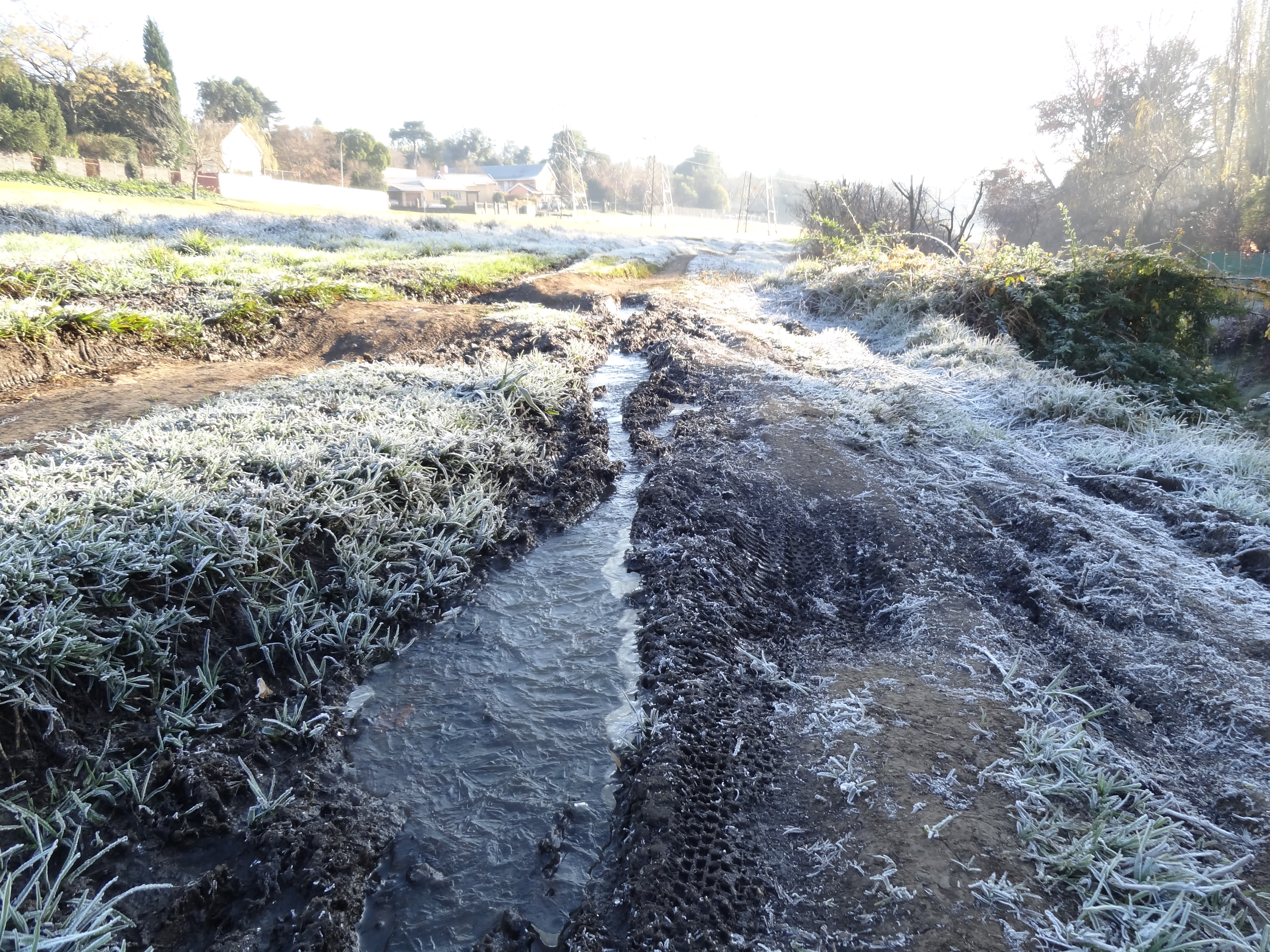
(with apologies to Toast Coetzer)
colonizing in reverse – louise bennett-coverley
“Wat a joyful news, Miss Mattie
I feel like me heart gwine burs
Jamaica people colonizin
Englan in reverse.
By de hundred, by de tousan
From country and from town,
By de ship-load, by de plane-load
Jamaica is Englan boun.
Dem a pour out a Jamaica
Everybody future plan
Is fe get a big-time job
An settle in de mother lan.
What a islan! What a people!
Man an woman, old an young
Jus a pack dem bag an baggage
An tun history upside dung!
Some people doan like travel
But fe show dem loyalty
Dem all a open up cheap-fare-
To-Englan agency.
An week by week dem shippin off
Dem countryman like fire,
Fe immigrate an populate
De seat a de Empire.
Oonoo see how life is funny,
Oonoo see de tunabout?
Jamaica live fe box bread
Out a English people mout’.
For wen dem ketch a Englan,
An start play dem different role,
Some will settle down to work
An some will settle fe de dole.
Jane say de dole is not too bad
Because dey payin she
Two pounds a week fe seek a job
Dat suit her dignity.
Me say Jane will never fine work
At de rate how she dah look,
For all day she stay pon Aunt Fan couch
An read love-story book.
Wat a devilment a Englan!
Dem face war an brave de worse,
But me wonderin how dem gwine stan
Colonizin in reverse.”
hand out

dragon head

pigfight
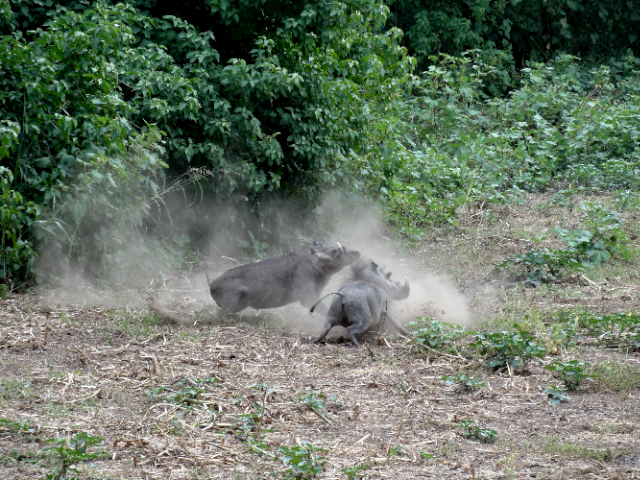
What our politics has become
pony trails

caught in time

A moment from millennia ago is frozen in amber…
wednesday wonder

This was shot by Franci Carney in Luderitz, Namibia. Check her fb page for more great shots ..
cello recital
excerpts from suketu metha’s ‘maximum city’
Maximum City: Bombay Lost and Found, by Suketu Metha, is the most mind-blowing book I have read for quite some time. Metha left Mumbai then returned from New York, and began documenting his hood.
Here are some little snippets:
‘Many wars begin with an act of rape, real or imagined. It is always the men who are disturbed enough by the rape to go to war.’
‘Bombay survives on the scam. We are all complicit. A man who has made his money through a scam is more respected than a man who has made his money through hard work, because the ethic of Bombay is quick upward mobility and a scam is a short-cut. A scam shows good business sense and a quick mind. Anyone can work and make money. What’s to admire about that? But a well-executed scam? Now, there’s a thing of beauty!’
‘When a man touches his killer’s feet and begs for his life, saying, “Please don’t kill me, I have children,” it is the worst argument he can offer. Thinking the killer will let you off because you have kids assumes that you can locate a hidden source of sympathy in your killer based on something shared, something in common. But very few killers are fathers. Very few of them have had good experiences with their own fathers. So that bond between father and son, which for you and me is the most convincing argument against your death – don’t kill me because it will break that sacred bond – means nothing to them. It is a bond, in fact, that the hit-men have consciously been trying to break all their lives. As far as they’re concerned, ridding your children of their father is the greatest favour they can do them.’
‘ [Bal Thackeray’s] vandals are young men, who, after working 12hour days as peons in some office where they endure humiliation and even a slap or two from men who are richer … than they are, take the train home. Inside the train, they bathe in perspiration; the air is fetid with sweat and farts. When they get home to the slum, their mother and fathers and grandmothers will ask them what they have bought home. Such a man lives with a constant sense of his own powerlessness, except when he is part of a mob, part of a contingent of 70 patriots fighting for the country’s honour, walking unmolested into movie theatres, posh apartments, and the offices of the cricket lords of the country, smashing trophies, beating up important people who drive fine cars. All the accumulated insults, rebukes and disappointments of life in a decaying megalopolis come out in a cathartic release of anger. It’s okay to be angry in a crowd; the crowd feeds on your anger, digests it, nourishes it, nourishes your rage as your rage nourishes it. All of a sudden you feel powerful. You can take on anybody. It is not their city any more, it is your city.
You own this city by the right of your anger.’
gooi the mix, bra

there you stood on the edge of your shadow

andy whorlhol

impermanence

You never know what you might be reminded of in the bogs …
 fleurmach