Ólöf & Klara Arnalds perform “Mr. Tambourine Man” live from the KEX Hostel in Reykjavik during Iceland Airwaves ’11. Recorded 10/11/2011.
Ólöf & Klara Arnalds perform “Mr. Tambourine Man” live from the KEX Hostel in Reykjavik during Iceland Airwaves ’11. Recorded 10/11/2011.
From the album Carrie & Lowell (Asthmatic Kitty Records, 2015).

Drømsjel – “When the Music’s Over”.
More Drømsjel HERE.
Sublime.
The album version of this song was released by Fleetwood Mac on Mirage in 1982, and my dad had it on a tape in his car for most of the ’80s.
But this, this is something else.
On Thursday I was sent a folder of photographs by Alex Hayn from a time when I didn’t have a camera for several years and so up until now have had no visual record… These are some of them, of an evening at home in Tamboerskloof with my housemate, Meg Wright.
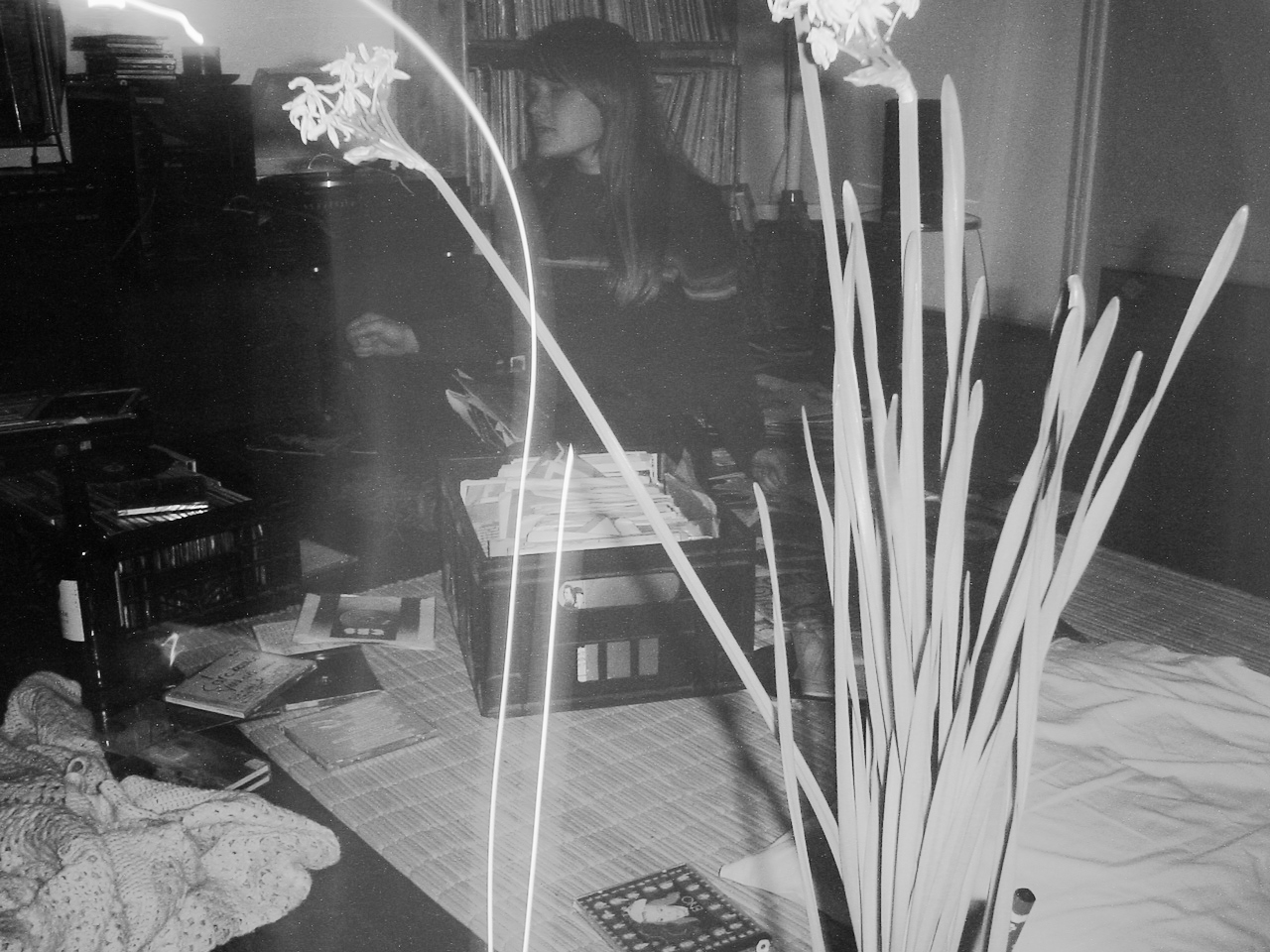
Rose with Narcissus. Photo: Alexander Hayn, 2003
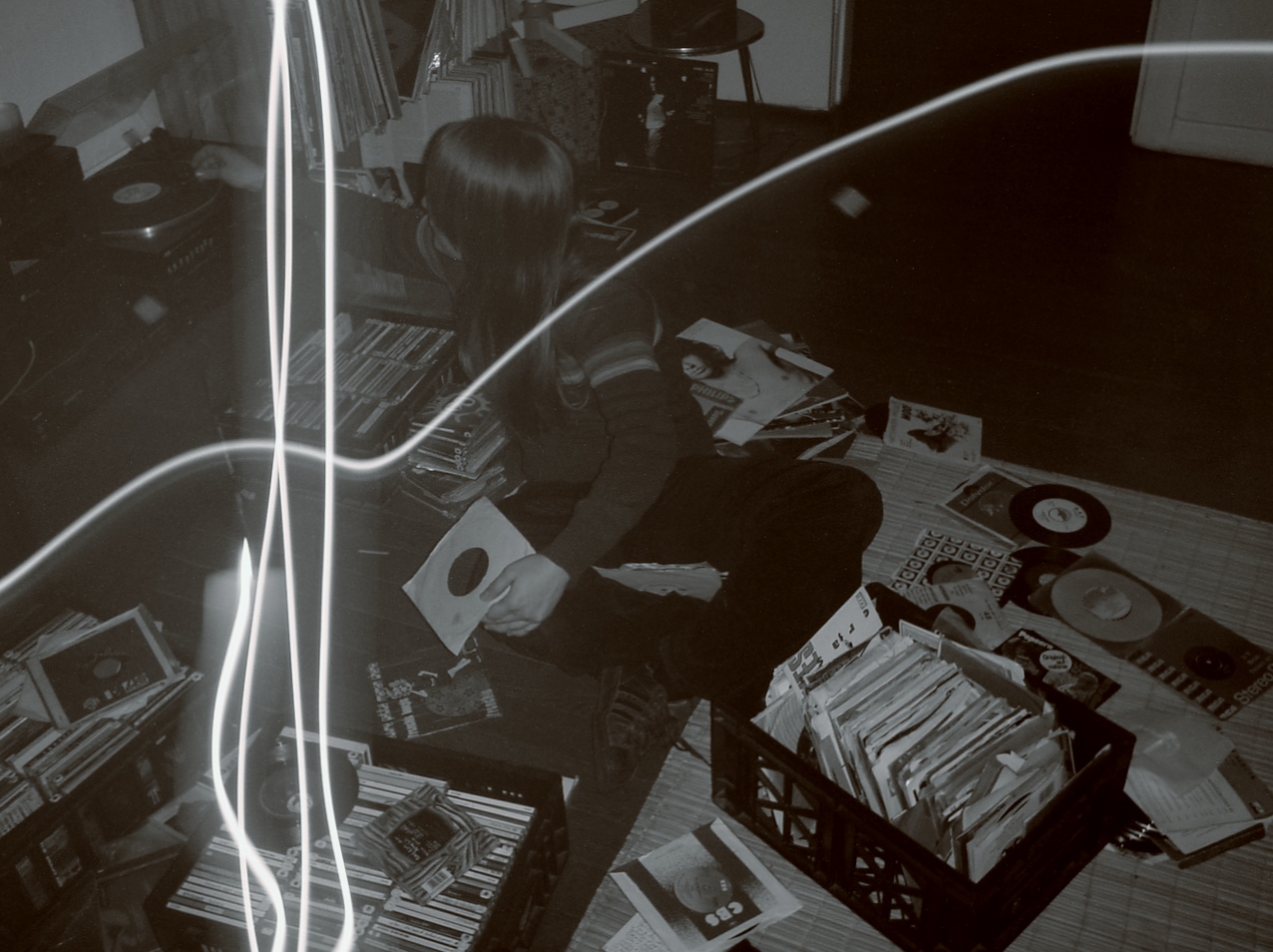
Photo: Alexander Hayn, 2003.

Photo: Alexander Hayn, 2003.
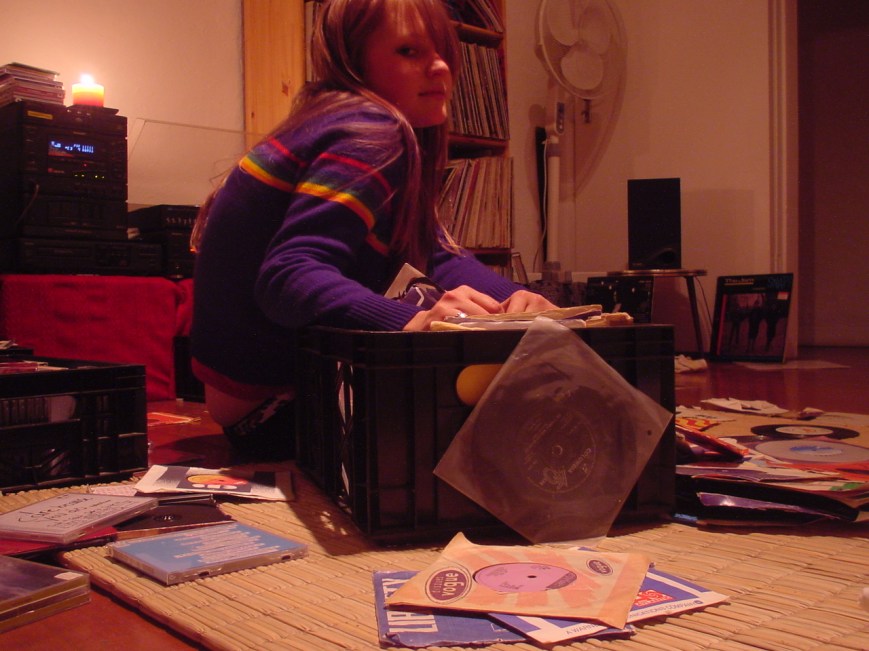
Photo: Alexander Hayn, 2003.
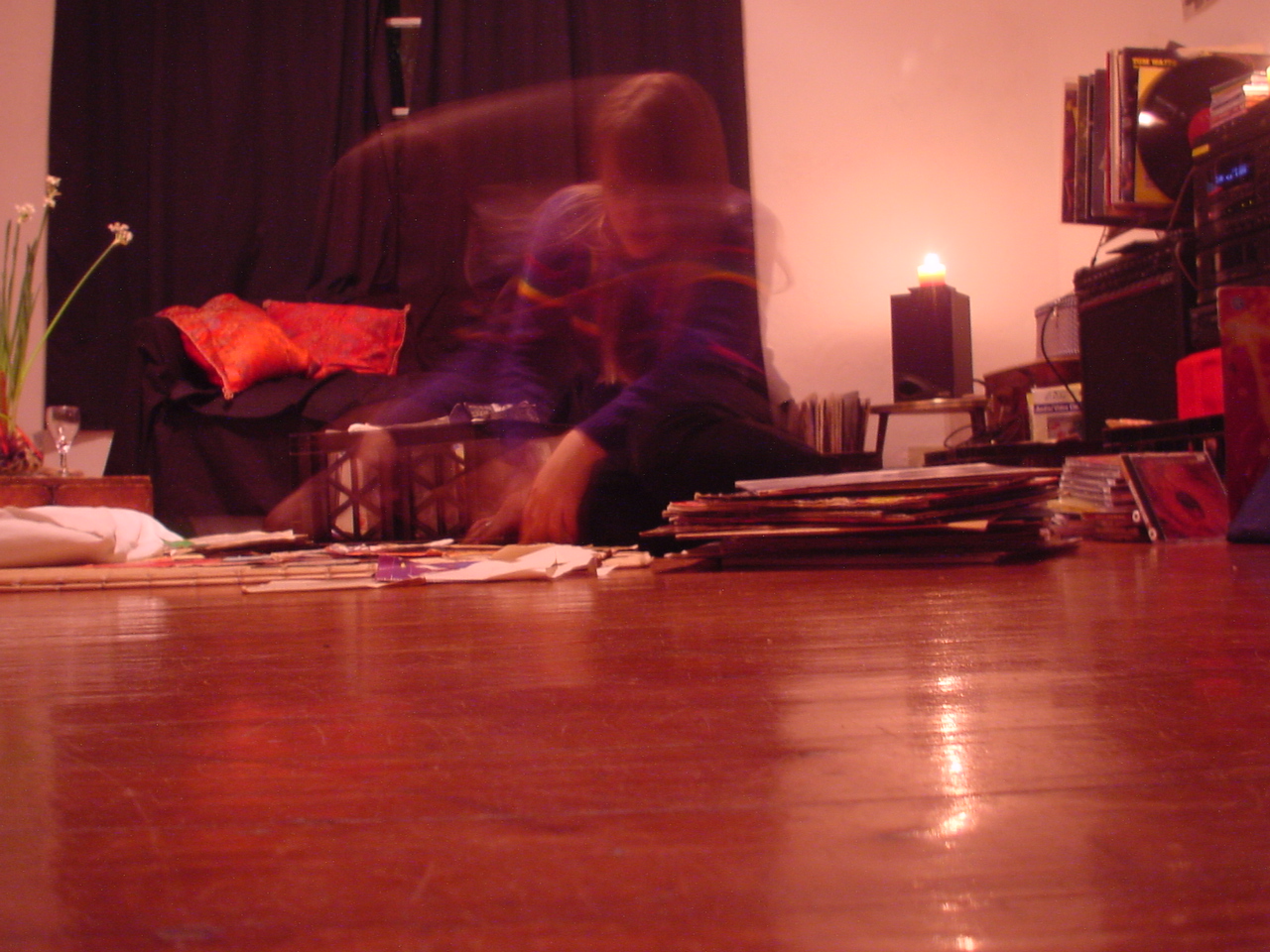
Photo: Alexander Hayn, 2003.
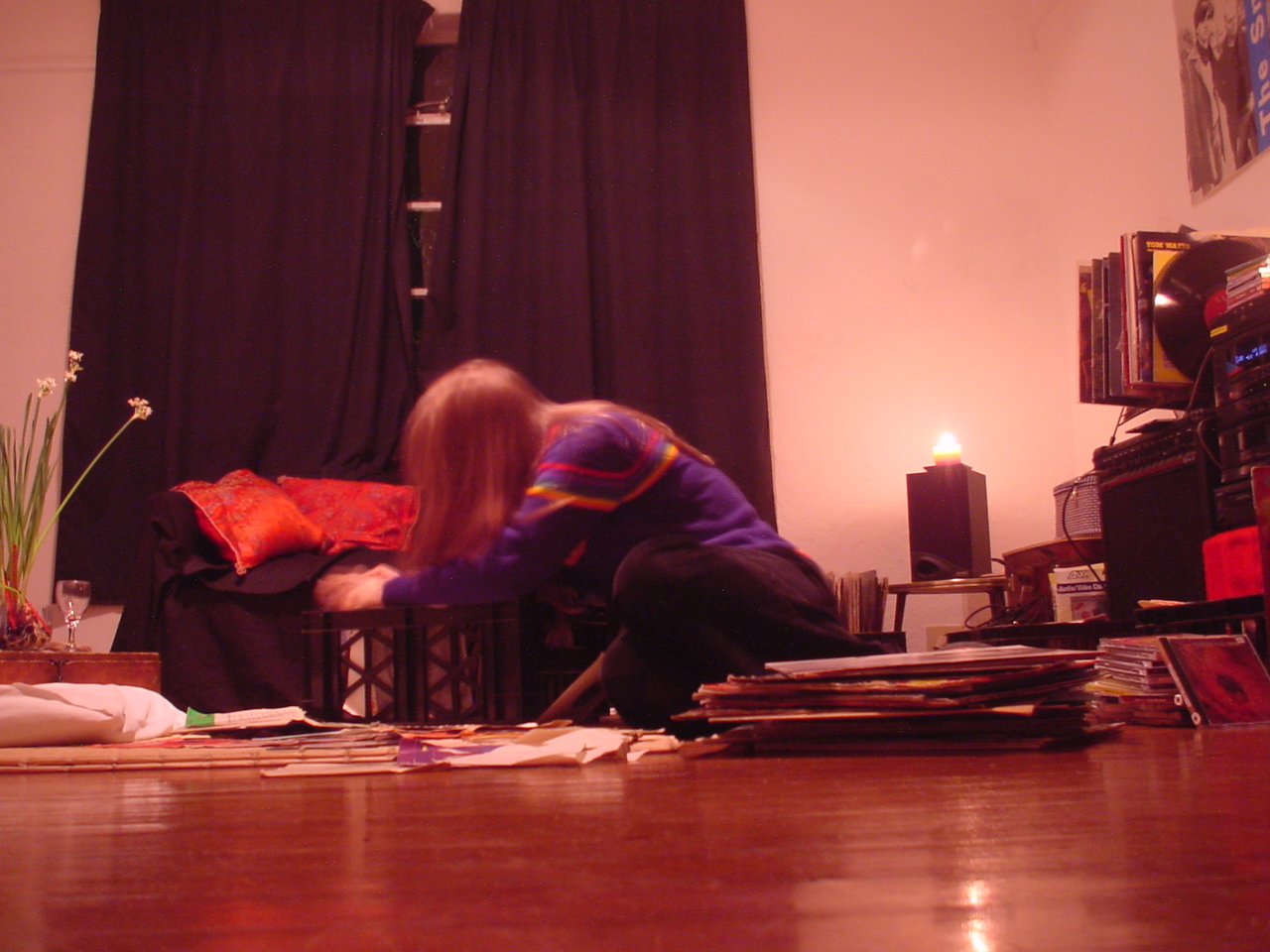
Photo: Alexander Hayn, 2003.
Photo: Alexander Hayn, 2003.
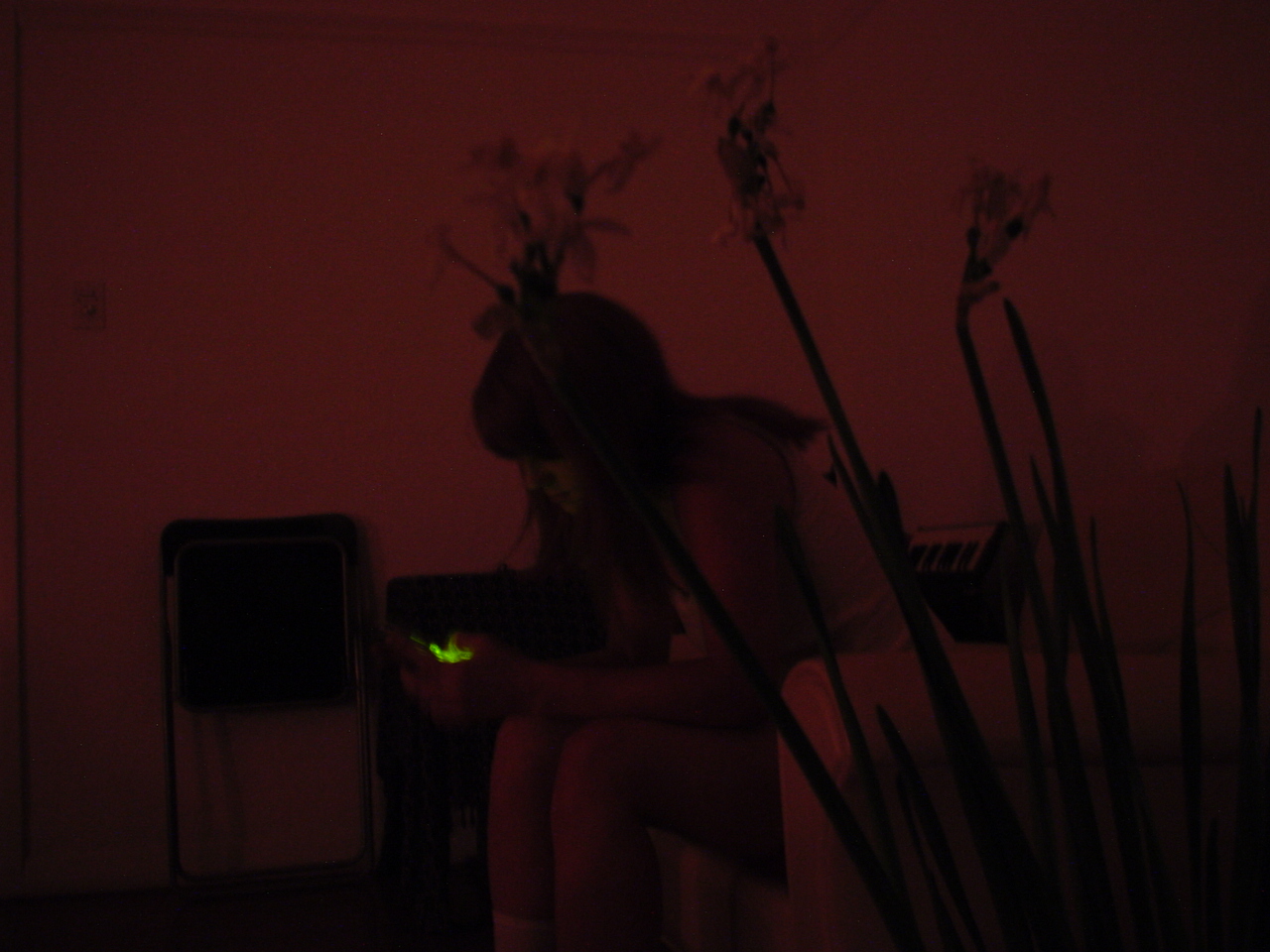
Meg, when cell phone screens were still monochrome green. Photo: Alexander Hayn, 2003
This track comes from her brilliant 2012 album, Ekstasis, which you can listen to HERE. Video directed by Jose Wolff.
“The first thing that came to mind was an image that gradually deteriorates with visual noise, echoing the sonic noise present in the song. We go from lightness to darkness, away from a structured, fabricated place and into raw territory.” – Jose Wolff – August 2012
Album: Cut
Year: 1979
From the album Ende Neu (Mute Records,1996).
Music video of the track from the album Tabula Rasa (1993, Mute Records), which pays clear visual homage to Luigi Russolo.

mechanical musichttps://youtu.be/8GpN5FHO60c
Russolo designed and constructed a number of noise-generating devices called Intonarumori, and assembled a noise orchestra to perform with them. A performance of his “Gran Concerto Futuristico” (1917) was met with strong disapproval and violence from the audience, as Russolo himself had predicted. None of his intoning devices have survived, though recently some have been reconstructed and used in performances. (Check this out!) Although Russolo’s works bear little resemblance to modern noise music, his pioneering creations cannot be overlooked as an essential stage in the evolution of the several genres in this category. Many artists are now familiar with Russolo’s Art of Noises manifesto.
At first the art of music sought purity, limpidity and sweetness of sound. Then different sounds were amalgamated, care being taken, however, to caress the ear with gentle harmonies. Today music, as it becomes continually more complicated, strives to amalgamate the most dissonant, strange and harsh sounds. In this way we come ever closer to noise-sound.
Antonio Russolo, another Italian Futurist composer and Luigi’s brother, produced a recording of two works featuring the original Intonarumori. The phonograph recording, made in 1921, included works entitled “Corale” and “Serenata”, which combined conventional orchestral music set against the sound of the noise machines. It is the only surviving contemporaneous sound recording of Luigi Russolo’s noise music.
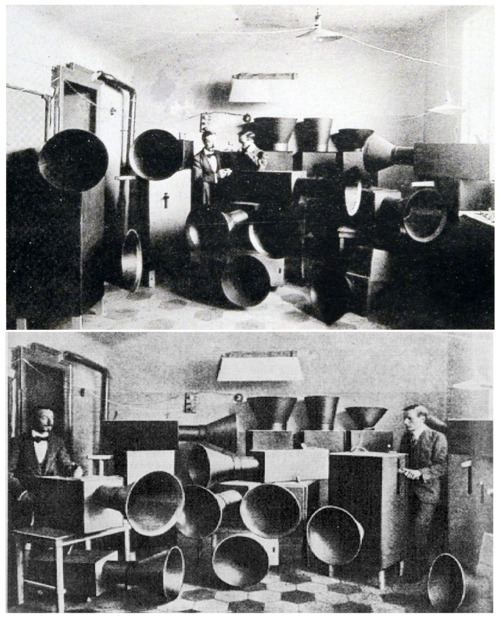
Russolo, Piatti and the intonarumori
SOURCE: Good old Wikipedia.
“Myself I long for love and light
But must it come so cruel, and oh so bright?”
From Songs of Love and Hate (Columbia,1971).
Today’s soundtrack.
Review by Dan Snowden:
Tezeta, an Ethiopian style with a relatively strict format built on repeated circular riffs, relies on the singer to put his stamp on the form with improvised verses and the up-and-down vocal spirals characteristic of Arabic music. The word itself means something like memory or nostalgia — in musical terms, it’s similar to saudade in Portuguese music, duende in flamenco, or blues and soul in the U.S. music world.
All ten tracks here date from the early ’70s, when versions of the tezeta were an innovative force in Ethiopian pop’s golden age. There’s a surprising variety: swirling accordion handles the circular riff accompanied only by minimal percussion on Fréw Haylou’s opening “Eyètègnu Nègu,” but an almost ’50s rock ballad feel pervades Alèmayèhu Eshèté’s “Tèrèdtchéwalèhu” and Menelik Wèsnatchèw’s “Tezeta” is tranquil and dreamy.
Tezeta is also an excellent launching pad for saxophonists Tèsfa-Maryam Kidané (featured on his own “Heywèté”) and Tèwodros Meteku to provide backing fills and solos behind the singers. It’s instrumental storytelling and the breathy saxes achieve that smoky, brooding flavour that seems unique to Ethiopian music, shading the music with a deep indigo to purple colour.
The slow, mournful versions really bring out that smoky trance sensation here. Sèyfu Yohannès is the first singer to really stand out on his nagging “Tezeta,” supported by Meketu’s fills and Mèssèlè Gèssèssè’s prominent piano. Moges Habté and Feqadu Amdè-Mèsquèl duel tenor saxes over a mysterious Fender Rhodes lick and Andrew Wilson’s sharp wah-wah guitar on Mulatu Astatqé’s instrumental “Gubèlyé.” And Mahmoud Ahmed’s “Tezeta” runs for 12 and a half gripping minutes with swirling organ, muted sax, and bubbling bass runs supplementing the voice of the most expressive singer in Ethiopian pop music.
With nearly 75 minutes of music and extensive liner notes, Tezeta is another impeccable release in the outstanding Ethiopiques series. But even more than earlier soul-influenced compilations geared toward dancing, these brooding love blues laments cut to the emotional core essence of the country’s music. This music sounds distinctly Ethiopian, like it could be from no other place on the planet.
Imperial 2688, played on HMV 101 gramophone.
Prince covering Joni Mitchell – utterly beyond.
Cover of the 1986 Prince song off the soundtrack to Under the Cherry Moon, recorded by a fan and put on Youtube last night.
This may be my favourite Prince-penned and -produced song. Such a warm, expansive, peaceful embrace.
I wake up and it’s still true.

 fleurmach