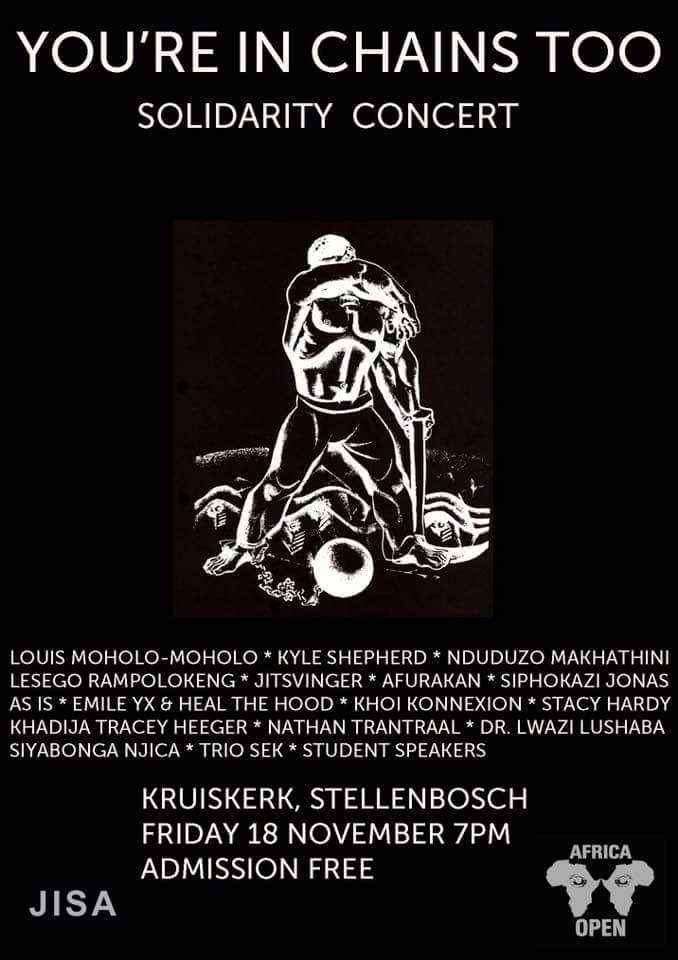
this friday in stellenbosch
tibetan book of the dead (1994)
Narrated by Leonard Cohen, this two-part documentary series explores ancient teachings on death and dying and boldly visualizes the afterlife according to Tibetan philosophy. Tibetan Buddhists believe that after a person dies, they enter a state of “bardo” for 49 days until a rebirth.
Program 1, The Tibetan Book of the Dead: A Way of Life documents the history of The Tibetan Book of the Dead, tracing the book’s acceptance and use in Europe and North America. Included is remarkable footage of the rites and liturgies surrounding and following the death of a Ladakhi elder as well as the views of the Dalai Lama on life and death.
Program 2, The Tibetan Book of the Dead: The Great Liberation observes an old Buddhist lama and a 13-year-old novice monk as they guide a deceased person into the afterlife. The passage of the soul is visualized with animation blended into actual location shooting.
This information comes from the website of the National Film Board of Canada. NFB produced the documentary in co-operation with NHK Japan and Mistral Film of France.
michelle mcgrane – cento for leonard cohen (2006)
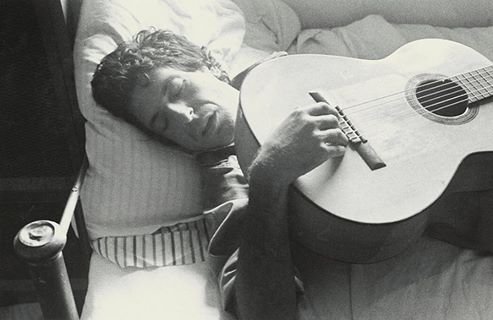
Leonard Cohen, Montreal, 1973. Photo: Ralph Gibson
once there was a path and a girl with chestnut hair – – – we met when we were almost young – – deep in the green lilac park – – you held on to me like i was a crucifix – – as we went kneeling through the dark – – – i loved you in the morning – our kisses deep and warm – – your hair upon the pillow like a sleepy golden storm – – yes – many loved before us – i know that we are not new – – in city and in forest they smiled like me and you – – – let me see you moving like they do in babylon – – show me slowly what i only know the limits of – – dance me very tenderly and dance me very long – – dance me to the wedding now – dance me on and on – – – there’s a concert hall in vienna – – where your mouth had a thousand reviews – – i remember you well in the chelsea hotel – – you were famous – your heart was a legend – – i thought you were the crown prince – – of all the wheels in ivory town – and everywhere that you wandered – – love seemed to go along with you – – – lost among the subway crowds – – i tried to catch your eye – – i saw you there with the rose in your teeth – – i’d been waiting – i was sure – – – but you’d been to the station to meet every train – – – i knew i was in danger of losing what i used to think was mine – – just dance me to the dark side of the gym – – chances are i’ll let you do most anything – – so we’re dancing close – the band is playing stardust – – balloons and paper streamers floating down on us – – – i know you’re hungry – i can hear it in your voice – – and there are many parts of me to touch – you have your choice – – – the women in your scrapbook – – – (i was in that army – yes i stayed a little while – – though i wore a uniform i was not born to fight) – – – now your love is a secret all over the block – – – i’m just a station on your way – – – where are you golden boy – – where is your famous golden touch? – – the sun pours down like honey – – and yes it’s come to this – it’s come to this – – hey prince you need a shave – – – i forget to pray for the angels – – and then the angels forget to pray for us – – – your letters they all say that you’re beside me now – – then why do i feel alone? – – i’m standing on a ledge and your fine spider web – – is fastening my ankle to a stone – – – everybody knows that you love me baby – – everybody knows that you really do – – everybody knows that you’ve been faithful – – ah – give or take a night or two – – everybody knows you’ve been discreet – – but there were so many people you just had to meet – – without your clothes – and everybody knows – – – and i can’t wait to tell you to your face – – and i can’t wait for you to take my place – – – i cannot follow you – my love – – you cannot follow me – – i am the distance you put between – – all of the moments that we will be – – – i choose the rooms that i live in with care – – the windows are small and the walls almost bare – – there’s only one bed and there’s only one prayer – – i listen all night for your step on the stair – – – i don’t like your fashion business mister – – and i don’t like those drugs that keep you thin – – – some women wait for jesus – and some women wait for cain – – i was waiting for a miracle – i waited half my life away – – – lately you’ve started to stutter – as though you had nothing to say – – – you don’t love me quite so fiercely now – – you’re weak and you’re harmless – – you’re sleeping in your harness – – – you thought that it could never happen – – to all the people you became – – the rain falls down on last year’s man – – that’s a crayon in his hand – – – like any dealer he was watching for the card – – that is so high and wild – – he’ll never need to deal another – – – (o you’ve seen that man before) – – his golden arm dispatching cards – – (but now it’s rusted from the elbow to the finger – – and he wants to trade the game he plays for shelter) – – – everybody knows that the dice are loaded – – everybody rolls with their fingers crossed – – everybody knows that the war is over – – everybody knows the good guys lost – – everybody knows the fight was fixed – – the poor stay poor – the rich get rich – – that’s how it goes – everybody knows – – – well – i found a silver needle – i put it into my arm – – it did some good – did some harm – – but the nights were cold – and it almost kept me warm – – – in a dream of hungarian lanterns – – in the mist of some sweet afternoon – – some girls wander by mistake – – into the mess that scalpels make – – – morning came and then came noon – – dinner time a scalpel blade – – lay beside my silver spoon – – those who earnestly are lost – – are lost and lost again – – – i journey down the hundred steps – – the street is still the very same – – was i – was i only limping – was i really lame? – – – i can’t run no more with this lawless crowd – – – you say you’ve been humbled in love – – cut down in your love – – – you say you’ve gone away from me – – (i see you’ve gone and changed your name again) – – but i can feel you when you breathe – – – you stumble into this movie-house – then climb in to the frame – – – your pain is no credential here – – of course you’ll say you can’t complain – – you who wish to conquer pain – – love calls you by your name – – – why do you stand by the window – – abandoned to beauty and pride – – the thorn of the night in your chest – – the spear of the age in your side – – lost in the rages of fragrance – – lost in the rags of remorse – – lost in the waves of a sickness – – that loosens the high silver nerves – – – yes you who must leave everything that you cannot control – – it begins with your family – but soon it comes around to your soul – – – well i’ve been where you’re hanging – i think i can see how you’re pinned – – when you’re not feeling holy – your loneliness says that you’ve sinned – – – it’s four in the morning – the end of december – – it’s dark now and it’s snowing – – the cadillacs go creeping now through the night and the poison gas – – the cities they are broke in half and the middle men are gone – – – all the rocket-ships are climbing through the sky – – the holy books are open wide – – – the blizzard – the blizzard of the world – – has crossed the threshold – – – do you remember all of those pledges – – that we pledged in the passionate night – – ah they’re soiled now – they’re torn at the edges – – like moths on a still yellow light – – no penance serves to renew them – – no massive transfusions of trust – – why not even revenge can undo them – – so twisted these vows and so crushed – – – i’m cold as a new razor blade – – your shirt is all undone – – – will you kneel beside this bed – – that we polished so long ago – – your eyes are wild and your knuckles are red – – and you’re speaking far too low – – – you don’t know me from the wind – – you never will – you never did – – – the crumbs of love that you offer me – – they’re the crumbs i’ve left behind – – – and is this what you wanted – – to live in a house that is haunted – – by the ghost of you and me? – – – i’ve lain by this window long enough – – to get used to an empty room – – and your love is some dust in an old man’s cough – – who is tapping his foot to a tune – – – and why are you so quiet now – – standing there in the doorway? – – you chose your journey long before – – you came upon this highway – – remember when the scenery started fading – – i held you till you learned to walk on air – – so don’t look down the ground is gone – – there’s no one waiting anyway – – the smokey life is practised – -everywhere – – – looks like freedom but it feels like death – – – i balance on a wishing well that all men call the world – – we are so small between the stars – so large against the sky – – – and where do all these highways go – now that we are free? – – the age of lust is giving birth – and both the parents ask – – the nurse to tell them fairytales on both sides of the glass – – – there is a war between the rich and poor – – a war between the man and the woman – – there is a war between the ones who say there is a war – – and the ones who say there isn’t – – – there is a war between the left and right – – a war between the black and white – – a war between the odd and even – – – i can’t pretend i still feel very much like singing – – as they carry the bodies away – – – there’s blood on every bracelet – – you can see it – you can taste it – – – (every heart – every heart – – to love will come but like a refugee) – – – too early for the rainbow – too early for the dove – – these are the final days – this is the darkness – this is the flood – – and there is no man or woman who can’t be touched – – but you who come between them will be judged – – – so the great affair is over but whoever would have guessed – – it would leave us all so vacant and so deeply unimpressed – – – it’s like our visit to the moon or to that other star – – i guess you go for nothing if you really want to go that far – – – it’s over – it ain’t going any further – – i’m sick of pretending – i’m broken from bending – – i’ve lived too long on my knees – – – the river is swollen up with rusty cans – – and the trees are burning in your promised land – – – along with several thousand dreams – – – there’s nothing left to do – – when you know that you’ve been taken – – – it’s closing time.
(cento: a composition made up of quotations from other authors; latin: patchwork garment)
lyrics taken from:
songs of leonard cohen: suzanne; master song; winter lady; stranger song; sisters of mercy; so long marianne; hey, that’s no way to say goodbye; stories of the street; teachers
i’m your man: first we take manhattan; ain’t no cure for love; everybody knows; take this waltz
songs of love and hate: avalanche; last year’s man; dress rehearsal rag; diamonds in the mine; love calls you by your name; famous blue raincoat
the future: the future; waiting for the miracle; closing time; anthem; light as the breeze; death of a ladies’ man: iodine; paper thin hotel; memories; death of a ladies’ man
songs from a room: the old revolution; the butcher; you know who i am; tonight will be fine
new skin for the old ceremony: is this what you wanted; chelsea hotel #2; there is a war
various positions: dance me to the end of love
recent songs: the guests; humbled in love; the window; the gypsy’s wife; the smokey life

jean-pierre de la porte on the new racism (6 november 2016)

Couldn’t agree more. Take your heads out of your fashionable arses.
john berger – ways of seeing (1972)
I cannot overstate how immensely John Berger contributed to awakening a critical understanding of Western cultural aesthetics and ethics in me. I feel deeply indebted. Here’s a wonderful recent interview with the man.
On this, his 90th birthday, I thought it fitting to look back on this BAFTA award-winning TV series from 1972, which rapidly became regarded as one of the most influential art programmes ever made. Ways of Seeing is a four-part BBC series of 30-minute films, created chiefly by writer John Berger and producer Mike Dibb. Berger’s scripts were adapted into a book of the same name.
The series and book critique traditional Western cultural aesthetics by raising questions about hidden ideologies in visual images. The series is partially a response to Kenneth Clark’s Civilisation series, which represents a more traditionalist view of the Western artistic and cultural canon.
In the first programme, Berger examines the impact of photography on our appreciation of art from the past.
The second programme deals with the portrayal of the female nude, an important part of the tradition of European art. Berger examines these paintings and asks whether they celebrate women as they really are or only as men would like them to be.
With the invention of oil paint around 1400, painters were able to portray people and objects with an unprecedented degree of realism, and painting became the ideal way to celebrate private possessions. In this programme, John Berger questions the value we place on that tradition.
In this programme, Berger analyses the images of advertising and publicity and shows how they relate to the tradition of oil painting – in moods, relationships and poses.
More John Berger on Fleurmach:
John Berger on being born a woman
#normalised
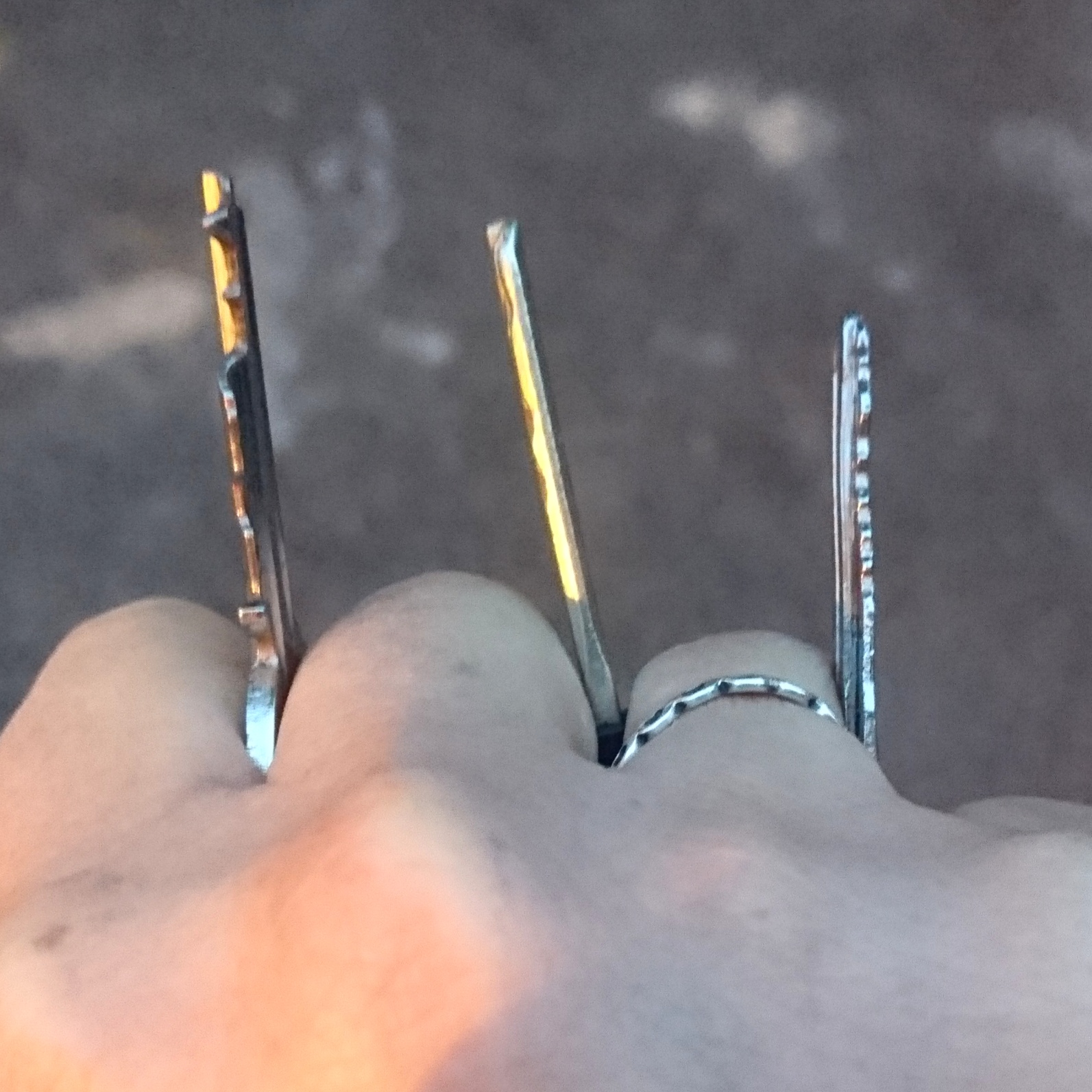
Hands up if this is also how you walk habitually.
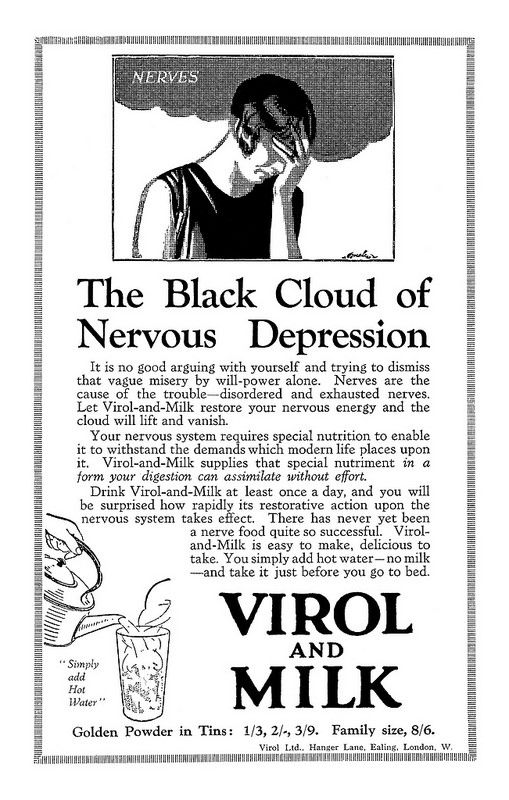
advertisement for virol and milk, 1927
gaelynn lea – npr music tiny desk concert (2016)
“Bird, why do you sing?
Fate has clipped your wings.”
Read Gaelynn on keeping inner demons at bay.
Thank you Derek Davey for introducing me to this artist.
on the politics and approaches to shutdown
“What might begin as a space whose protest action aims to form humanising culture where Black disabled, trans, queer, and womxn’s bodies are safe and heard, is very quickly appropriated by the anti-blackness of up high – a force that polarises the complexity of oppression and attempts to direct and contain action into the physically violent (inherently colonialist) form that it understands best. In this sense, the state functions to direct the protest politik into the Afropessimistic voice, one that we know disinherits those who do not immediately come to mind when we say the word “black” (ie: black disabled, trans, queer, and womxn’s bodies) and one that abandons the pursuit of humanity, in favour of unhealthy martyrdom and recklessness.
“So apart from the predictability of state-sanctioned physical violence in the form of stun grenades, teargas, rubber bullets, arrest and jail time, it is important to understand this state provocation as incredibly strategic in the way it seeks to awaken retaliation in the same form. It begs us for physical retaliation – the kind that re-confirms black people as bodies, the kind that forces the “you can’t kill us all” mantra – basically the kind of protest that black able-bodied cis-heterosexual men happen to be good at leading and controlling, the kind that does not challenge structural power, but fulfils the fantasy of Fanon’s black man in replacing his white master.”

for whom the bell curve tolls

“No man is an Iland, intire of it selfe; every man is a peece of the Continent, a part of the maine; if a Clod bee washed away by the Sea, Europe is the lesse, as well as if a Promontorie were, as well as if a Mannor of thy friends or of thine owne were; any mans death diminishes me, because I am involved in Mankinde; And therefore never send to know for whom the bell tolls; It tolls for thee.”
– John “I’m done” Donne. Meditation 17, from Devotions Upon Emergent Occasions, 1624
#selfcare
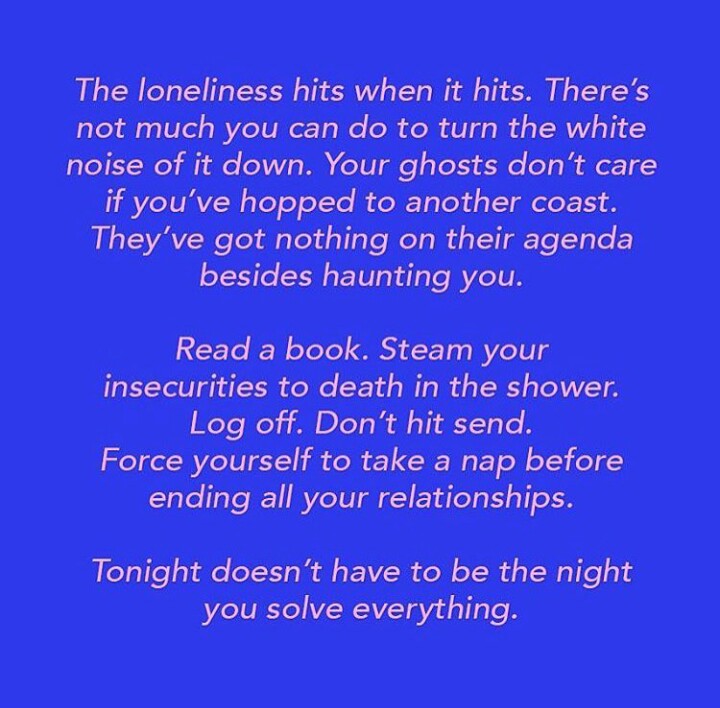
Nothing helps
It just fills up some time
Emptily
roy fox – the house is haunted (1934)
Cut together wonderfully with footage from Nosferatu, eine Symphonie des Grauens (1922).
playing wonderful, wacky music here today

I’m up at 12 if you are interested. Should be fun!
the murder of crows – full set at sacred heart
siya khumalo responds to “i know i’m not supposed to ask, but are we still welcome here?”
Everyone should read Siya Khumalo.

The politically correct answer to Steve Sidley’s question is, Of Course You Are, Silly! More tea and jam with those croissants?
But politically correct answers are like placebos for Ebola patients, plasters for gunshot wounds, or, to cite a more scandalous comparison, like 1994 rainbowism for apartheid’s aftermath.
While I liked Sidley’s article, I would have preferred one titled This Is What I, As A White Person, Am Prepared to Do About Structural Racism and Inequality. Or Why Aren’t More White Businessmen Concerned About Structural Racism and Inequality? Sidley has probably addressed these topics, but what surprises me how much traction this piece got.
But of course. The question conveniently implies we (black people) have the power to decide white people’s fate and were always ready to use it violently. It conveniently underplays how much economic power white people hold. So this is not about accountability; it’s about victimhood. I submit this is why its resonated.
It is glorified abdication of social…
View original post 1,704 more words
the mountain goats – cotton (2004)
From We Shall All Be Healed (4AD, 2004).
(A junkie friend stole this record from me a couple of years ago. I’d have been okay with that if I knew he was listening to it, because it’s a great album when you’re in a dark and self-destructive place. Sadly, I’m pretty sure he sold it on immediately.)
brian jonestown massacre – you look great when i’m… (2008)
Stock footage from atomic bomb testing on 16 July 1945, and other public domain clips.
“the quickening art”(2008)
“The past which is not recoverable in any other way is embedded, as if in amber, in the music, and people can regain a sense of identity…”— Oliver Sacks
So utterly incredible.
feel free to play the piano (21 october 2016)
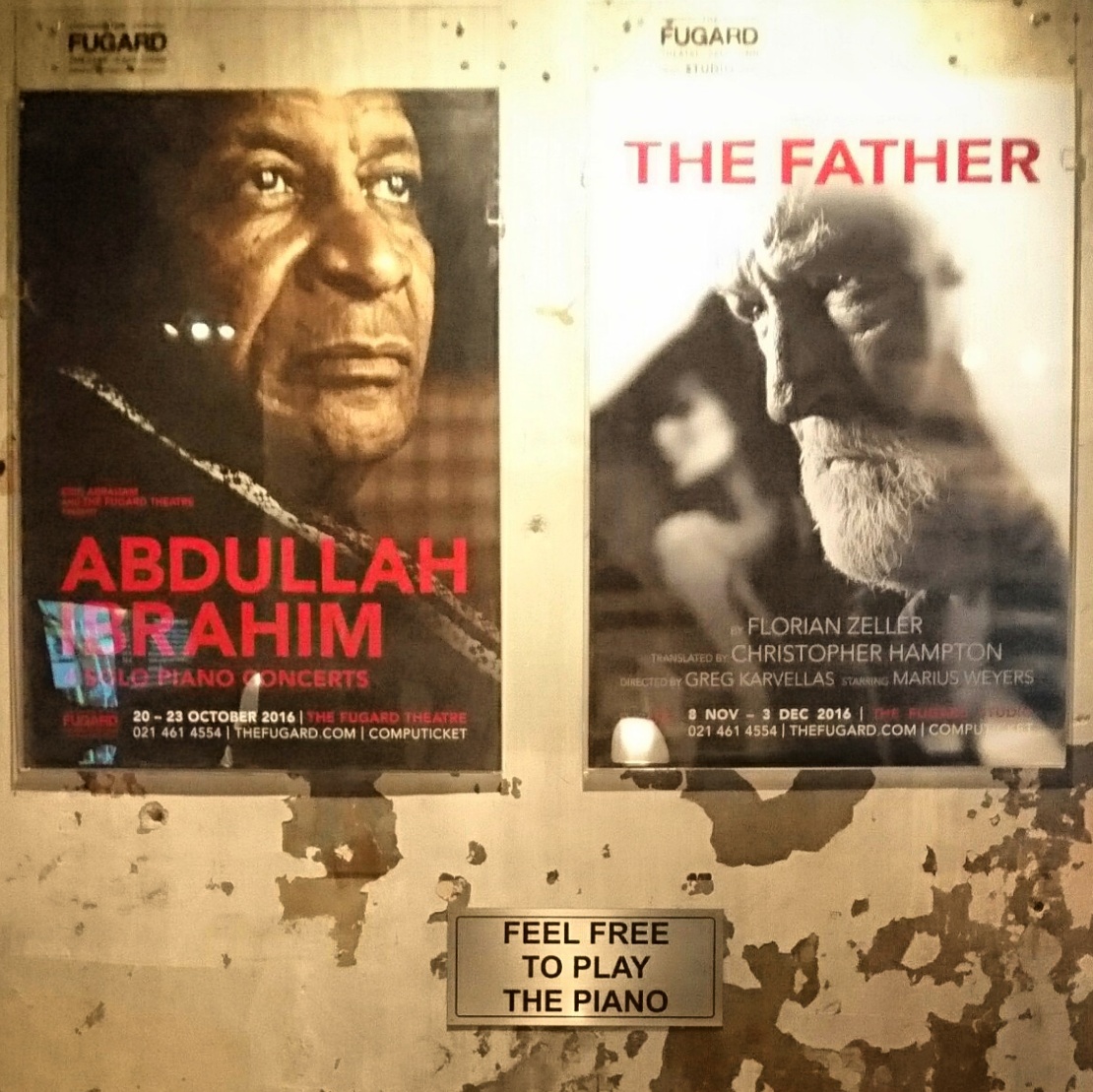
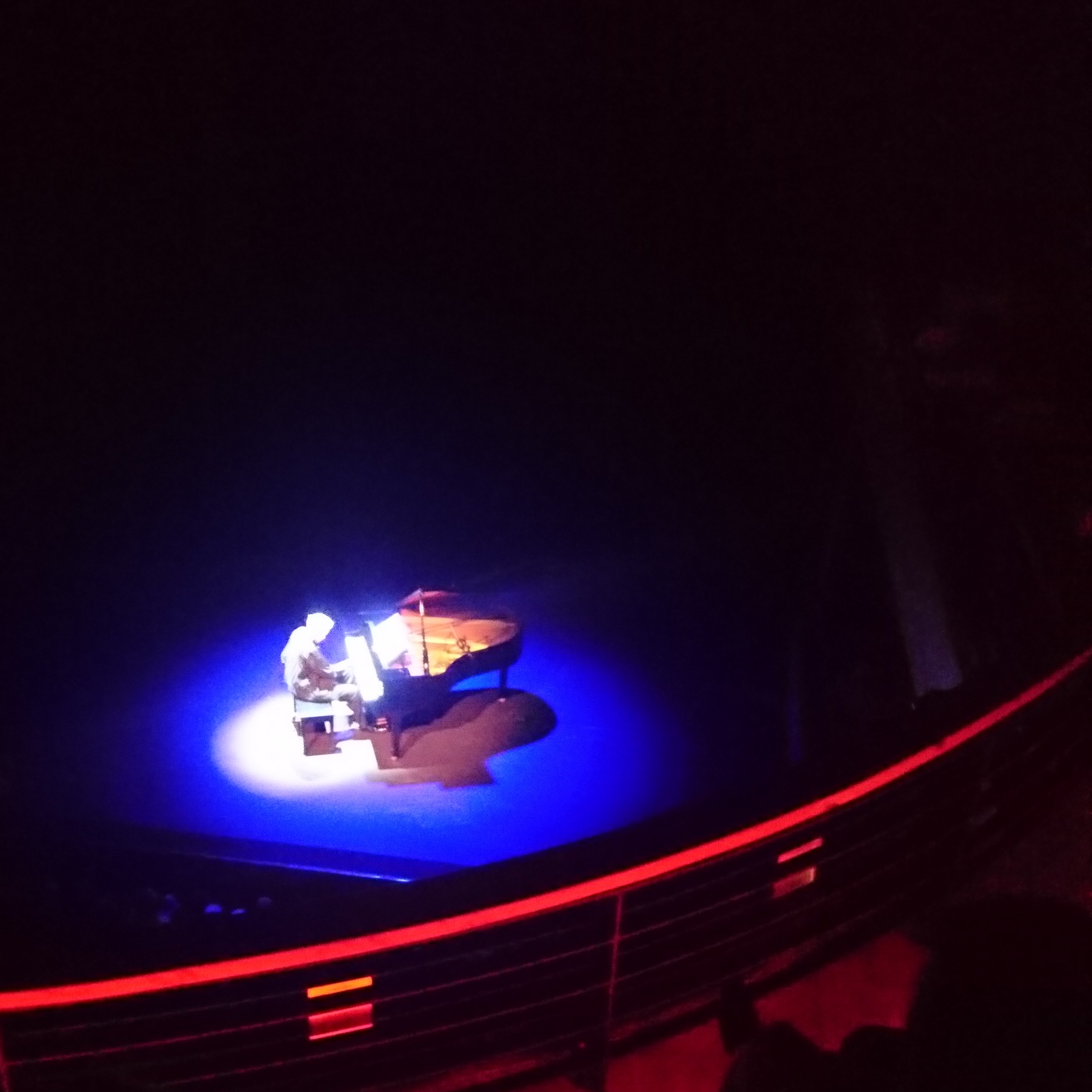
My kind friend Anwar gave me a ticket to Abdullah Ibrahim’s solo concert last night at the Fugard Theatre. It was the quietly incandescent performance of an old man who has been so far and seen so much, whose heart remains rooted in this troubled land even as it hurts to be here, even as his fingers know he doesn’t have forever. His playing held such sorrow, yet such peace, and playfulness, too. Refusing easy resolution, defiantly free as ever. We imagined afterwards how incredible it would have been if the whole performance could have been broadcast live on loudspeakers, into every roiling corner of this country, for everyone to hear it simultaneously. A lament. A hymn. A balm. A lesson. Beyond the span of words’ expression.
the mountain goats – dinu lipatti’s bones (2005)
We stank of hair dye and ammonia
We sealed ourselves away from view
You were looking at the void and seldom blinking
The best that I could do
Was to train my eyes on you
We scaled the hidden hills beneath the surface
Scraped our fingers bloody on the stones
And built a little house that we could live in
Out of Dinu Lipatti’s bones
We kept our friends at bay all summer long
Treated the days as though they’d kill us if they could
Wringing out the hours like blood-drenched bedsheets
To keep wintertime at bay
But December showed up anyway
There was no money, it was money that you wanted
I went downtown, sold off most of what I owned
And we raised a tower to broadcast all our dark dreams
From Dinu Lipatti’s bones
__
From The Sunset Tree (4AD, 2005).
decolonising the jazz curriculum – and clearing the broken glass (october 2016)

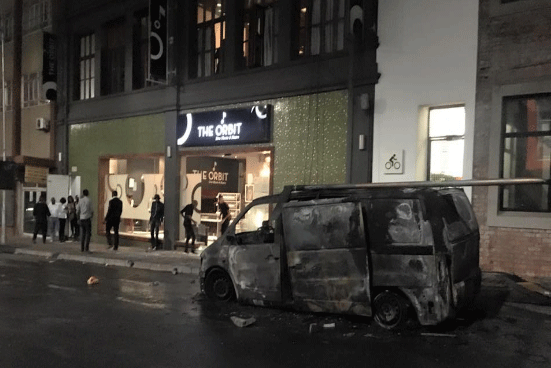 Outside the Orbit: clearing the shattered glass
The Orbit had its front window smashed on Friday night. Whether by protestors with a defined purpose (though it’s hard to fathom what), opportunistic demagogues and provocateurs, or a bunch of drunken thugs joining what they perceived to be the “fun”, it’s hard to know. All the vandalism has achieved is to rob musicians and service workers of a few days’ decent gigging, and a struggling club of resources.
During the mayhem, the Orbit still willingly sheltered students injured by or terrified of police weapons; it cares about its community. The attack has silenced for a while one of Joburg’s “small pockets of cool” (the phrase is tenorist Shabaka Hutchings’) – a place where the cultural discourse regularly runs counter to the prevailing smug complacency and abdication of responsibility.
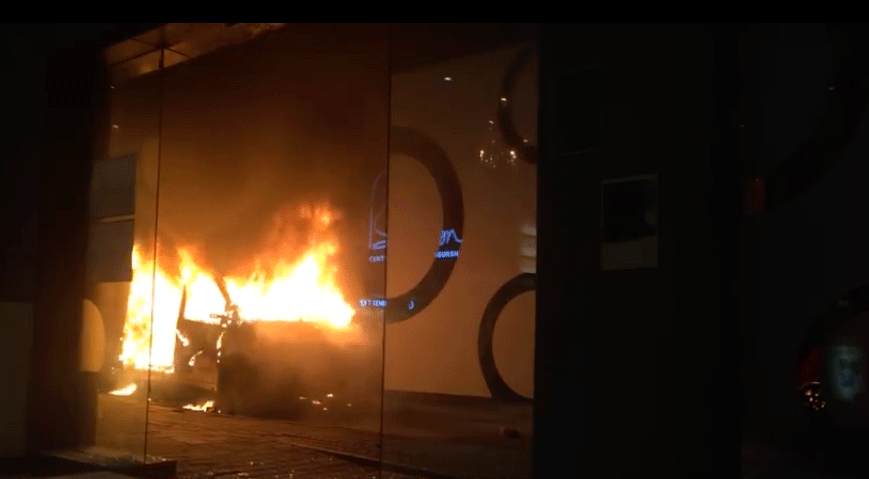 The view from inside the Orbit as an SABC van burns outside
Not, I’d…
View original post 1,122 more words
codona 3 (1982)
Don Cherry: trumpet, melodica, organ
Collin Walcott: tabla, sitar, percussion
Nana Vasconcelos: berimbau, percussion
This album is medicine when you need space to breathe.
richie havens – i was educated by myself (1999)
rupi kaur – we are all born beautiful (2014)
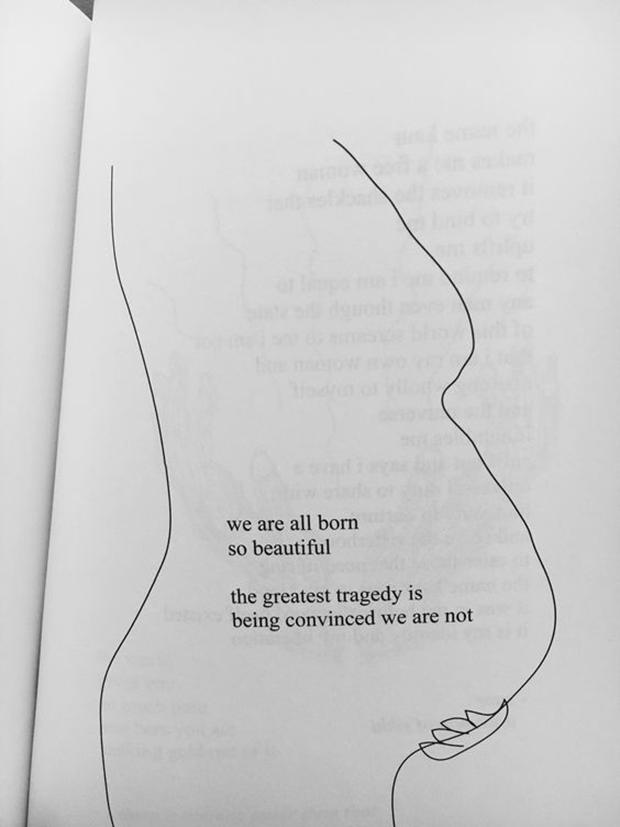
From milk and honey.
faith47 & the grrrl – aqua regalia – projection mapping (2015)
A projection mapping sequence created as a collaboration between inka kendzia (the grrrl) and faith47.
Faith created a shrine-like installation made out of found objects. The mapping sequence was then projected on top of this shrine structure.
The projection was created specifically for the opening night of Faith’s Aqua Regalia exhibition in New York at the Jonathan Levine gallery in November 2015.
artist – faith47
animation and mapping – inka kendzia | the grrrl
music – fletcher beadon – fletcher in dub
filmed – zane meyer of chopemdownfilms
louis moholo’s 4blokes, live at straight no chaser, cape town (15 january 2016)
It’s weird how the recording industry warps experience. We can sometimes forget that every recording is only one iteration that was captured and set in stone as “The” Definitive Performance, when really it just happened to be captured that particular time among many, many other possible times. Records, like photos, pluck moments out of time and concretise them… And they are the only thing we’re left with later to glimpse a whole era. That’s why densely detailed archives such as Ian Bruce Huntley‘s, where there were many recordings of the same bands made during the same era, are so interesting. I’ve posted here, and in the preceding post, recordings of the same band on two consecutive nights.
One of the lovely things about everyone having a camera in their pocket on their phone is that this is not something that is rare anymore, and the democratisation of shared experience is a very powerful and positive thing. One of the horrible things is that there is just such a volume of recorded stuff (much of questionable quality) being generated that the brightest nuggets of wonder can be drowned in the dross… Too much recording and we have a shaky, pixelated backup of every moment kept on hard drives, that no one ever has time to live through twice, to the extent that everything melts into undifferentiated, indigestible “big data” and can only be apprehended as statistics. I feel very ambivalent about it.
I think it’s really important that, whenever possible, we still have experienced photographers, videographers and sound recorders assigned to do this stuff, so that in years to come what we are left with are some beautiful and considered recordings, and not just a haunted avalanche of muddy glimpses.
louis moholo’s 4blokes – ghosts/you ain’t gonna know me ‘cos you think you know me (16 january 2016)
An incredible gig at Straight No Chaser, Cape Town, South Africa, 16 January 2016.
This moves into two songs: first ‘Ghosts’ by Albert Ayler at 7:00 and then ‘You ain’t gonna know me ‘cos you think you know me’ by Louis Moholo at 14:00. The 4blokes are:
Louis Moholo: Drums
Shabaka Hutchings: Tenor Saxophone
Kyle Shepherd: Piano
Brydon Bolton: Double Bass
 fleurmach