people in palestine being human


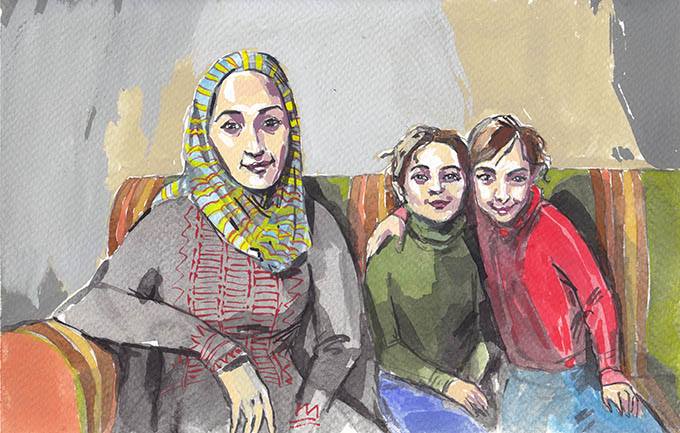
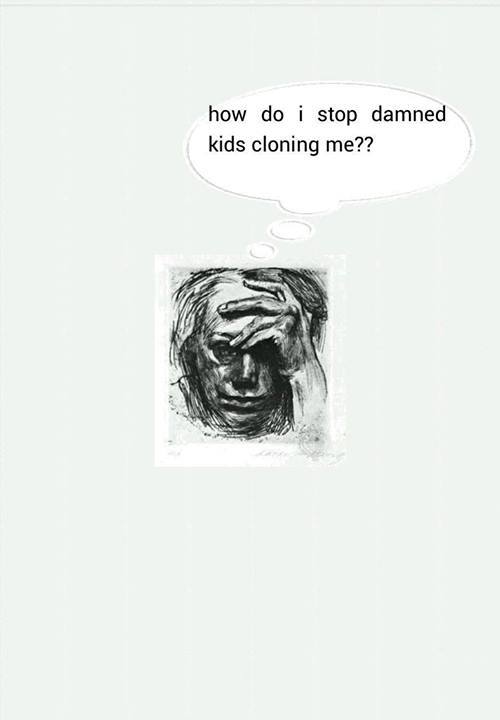
A mother and two little girls, Palestine.

A mother and two little girls, Palestine. Lizza Littlewort, July 2014

Q: Lizza, did you paint this from a photo? I want to post these on Fleurmach and include context if there is some.

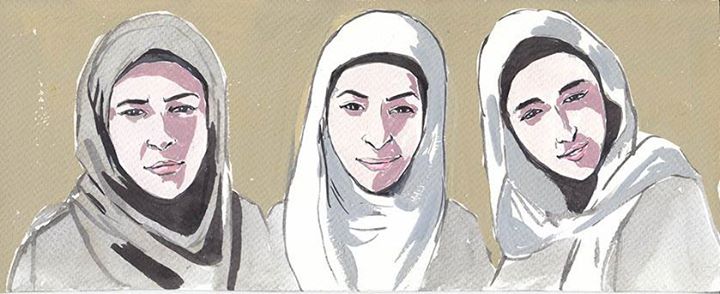
A: The likenesses are so bad there’s not much point referring to the originals… which I guess is a good thing, because I don’t feel like I’m violating anyone’s privacy. I’ve been working in a way where I strive for immediacy by going straight into paint with no pencil work underneath, so it’s pot luck how it turns out. The subjects are Palestinian though, I can say that much! I wanted to be sure to get a mood which is realistic. I want to do more of people in Palestine being human.


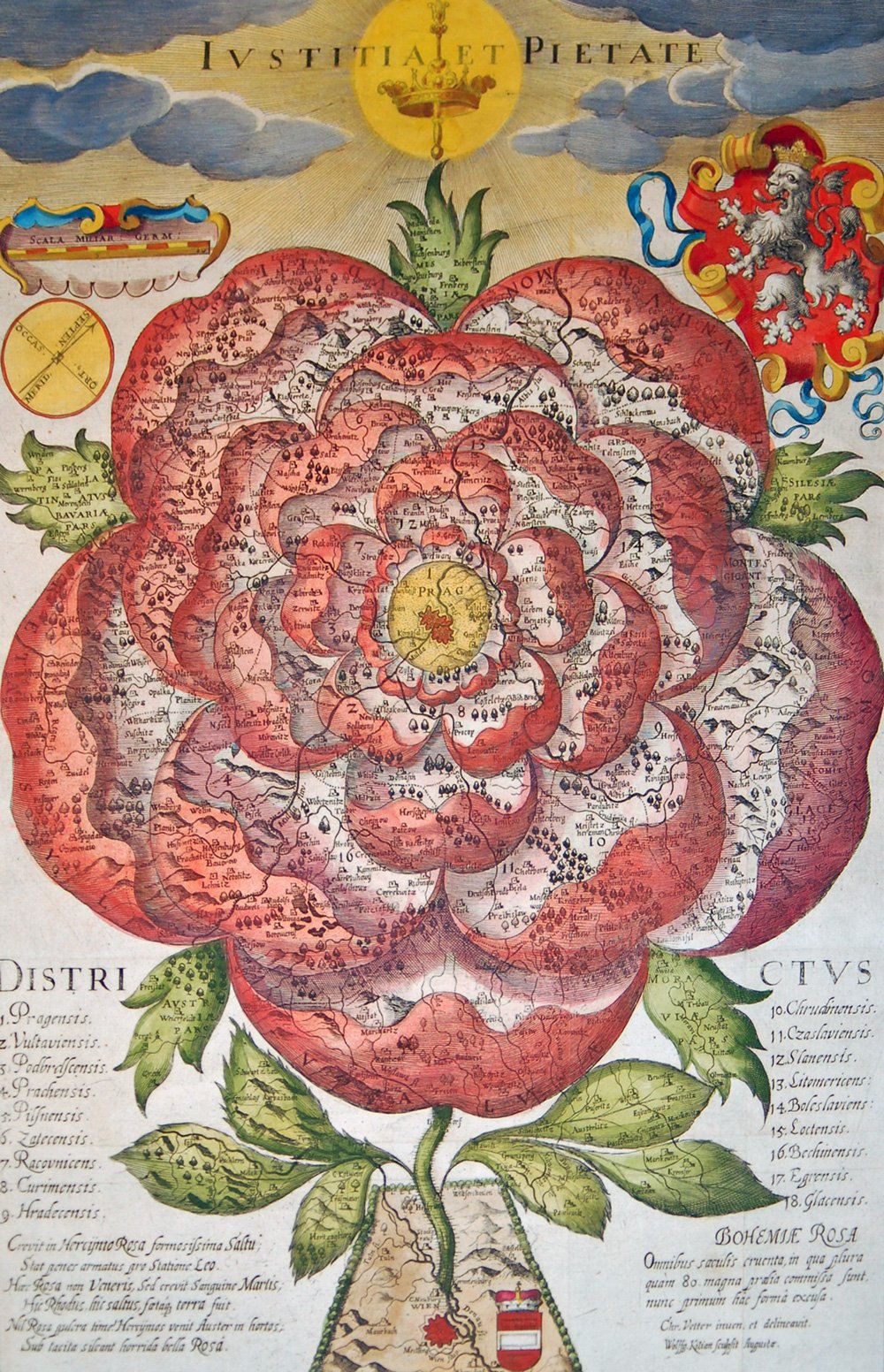
1677 map of bohemia as a rose

1677 rose map of bohemia

A map that shows Bohemia as a stylised Hapsburg rose. The stem firmly connects the flowering Bohemian rose to the fertile soil of Vienna, the Habsburg’s political centre. The Latin text at the bottom explains:

There grew a graceful Rose in the Bohemian woods, and an armoured lion standing guard next to her. That Rose had grown out of the blood of Mars, not of Venus. […] Do not fear, lovely Rose! There comes the Austrian. […] The Rose of Bohemia, bloody for all the centuries, where more than 80 battles were waged. She has been now drawn in this form for the first time.

Read more about this strange propaganda map HERE.
 

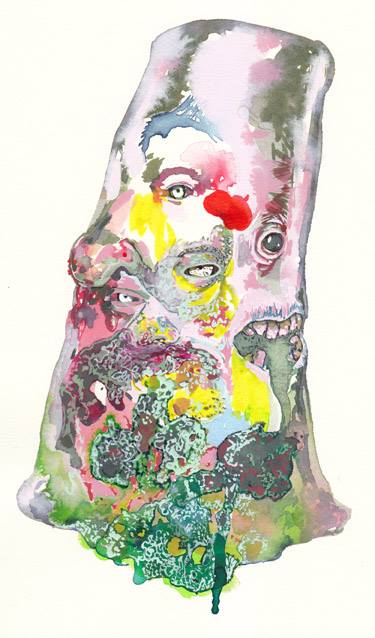
ayn rand, rand paul and paul ryan walk into a bar

lizza ayn paul rand

Lizza Littlewort, 2014. Watercolour on 100% cotton paper.

This picture was made in appreciation of that really great joke that went around recently: Ayn Rand, Rand Paul and Paul Ryan walk into a bar. The barman serves them tainted alcohol because there are no regulations. They die.

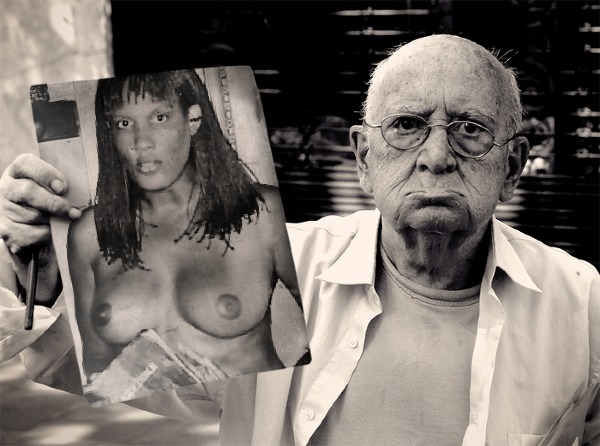
kola boof

This Ohio bookseller refuses to carry African writer Kola Boof's novels because of nudity.

This Ohio bookseller refuses to carry African writer Kola Boof’s novels because of nudity.

“I don’t agree that I am controversial. What I feel is that most people are not critical thinkers.  The society tells them what to believe, what to think…and their knee jerk reactions are guided completely by that conditioning.  They usually realize later on that what I’m saying is not controversial… when they take time and think in depth.  Even if they don’t agree with me… they understand what I’m saying without all the claims of being shocked by controversy.  I’m not a controversial person if you’re a critical thinker.”

Check out Kola Boof’s website, where you can also read more of this interview.

being present: patric thormann, mandla mlangeni & niklas zimmer live

Happening this Wednesday, 7 May 2014, at 20h00 at Bolo’bolo76 Lower Main Rd, Observatory, Cape Town, South Africa:

zimmer et al
Dear friends,

We’re incredibly excited to invite you to a special edition of our new Eclecticity sessions – a monthly experimental music evening at bolo’bolo.

This Wednesday we’re hosting an improv set by three musicians who need no introduction: Patric Thormann (Sweden) on double bass, Mandla Mlangeni (SA) on trumpet and Niklas Zimmer (Germany / SA) on drums.

Those of you who were lucky enough to attend the recent Edge of Wrong festival know what to expect from Patric and Niklas, and Mandla should be familiar to everyone who has followed the Cape Town music scene over the last few years. We’re lucky to be hosting three such talented performers and we hope to see lots of you there!

NB: The event is totally, 100% free. We have vegan food and drinks on sale and you may bring your own snacks and drinks as long as you respect the alcohol-free and vegan ethos of our space :-)

laurie anderson – the dream before (for walter benjamin)

http://youtu.be/fWuNEw0EHMc

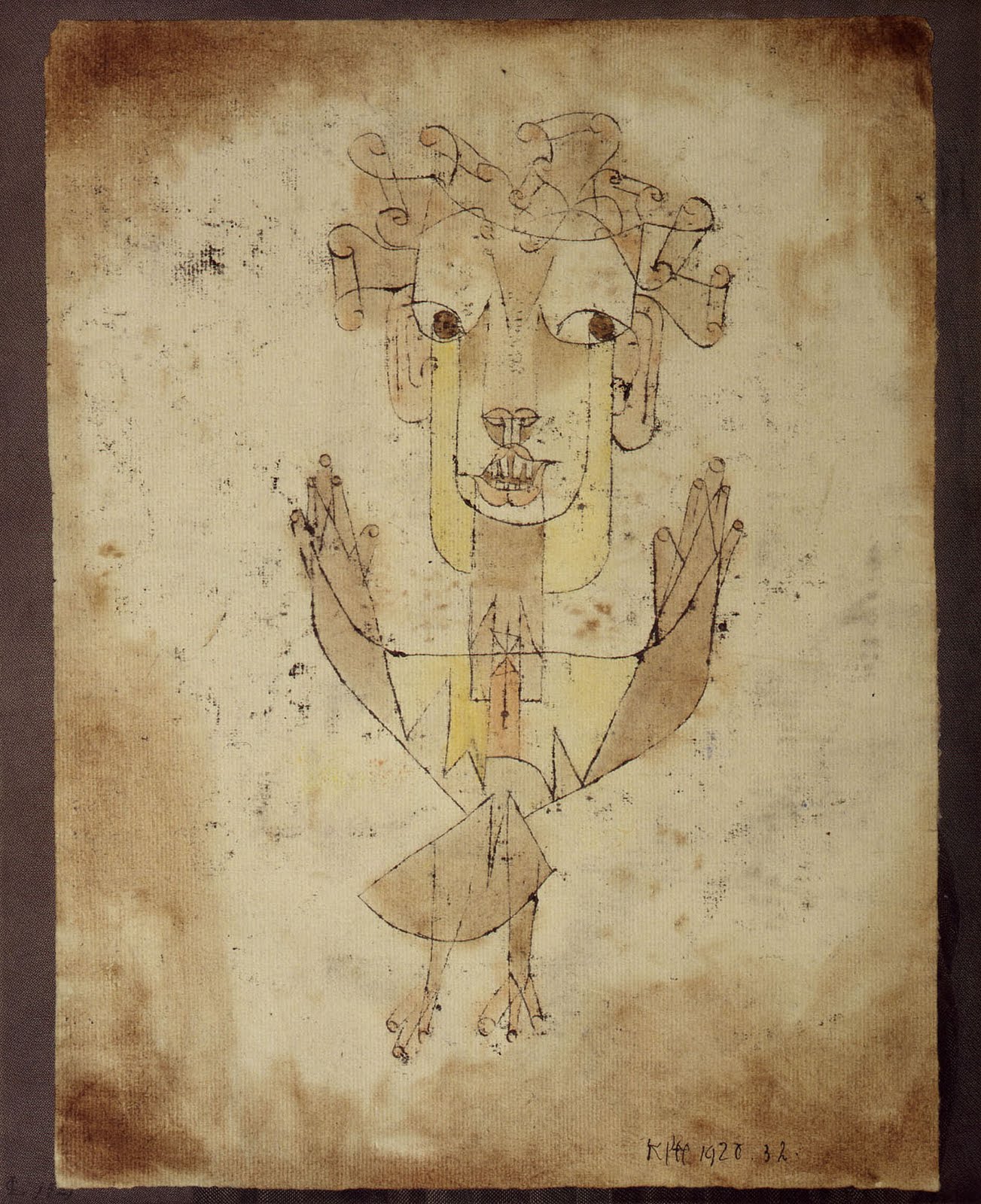
” A Paul Klee painting named Angelus Novus shows an angel looking as though he is about to move away from something he is fixedly contemplating. His eyes are staring, his mouth is open, his wings are spread. This is how one pictures the angel of history. His face is turned toward the past. Where we perceive a chain of events, he sees one single catastrophe which keeps piling wreckage upon wreckage and hurls it in front of his feet. The angel would like to stay, awaken the dead, and make whole what has been smashed. But a storm is blowing from Paradise; his wings are caught in it with such violence that the angel can no longer close them. The storm irresistibly propels him into the future to which his back is turned, while the pile of debris before him grows skyward. This storm is what we call progress.” 

— Walter Benjamin, 1940

paul-klee-angelus-novus

Paul Klee – Angelus Novus (1920)

“ghosts” – opening at muti gallery in one hour!

Ralph Ziman‘s much-anticipated exhibition, “GHOSTS”,  opens in Cape Town at the MUTI GALLERY tonight (24 April 2014). For more information contact Guto Bussab on +27(0)21 465 3351.

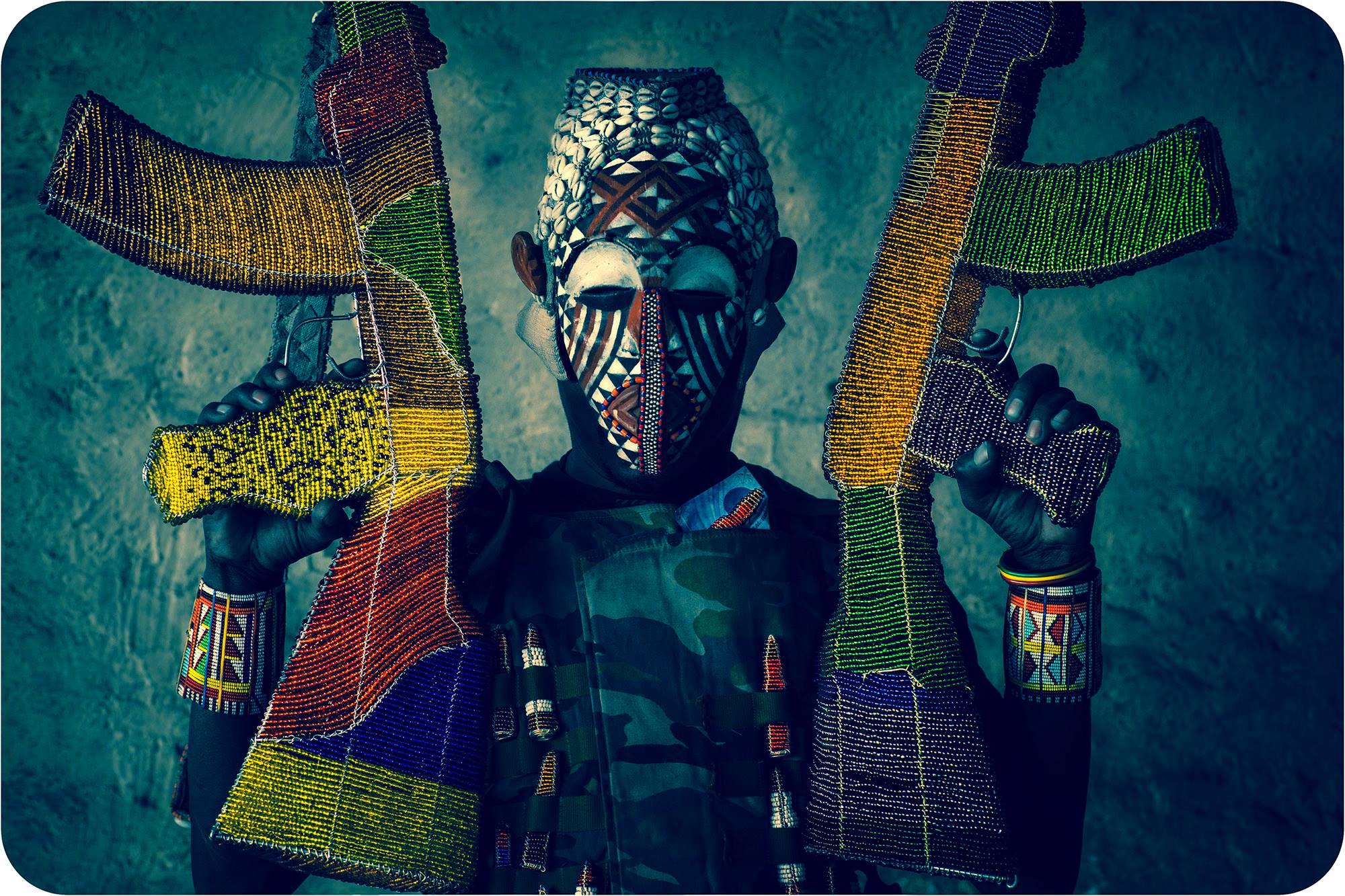
ghosts

GHOSTS examines the consequences of international gun trade in Africa while questioning our uncomfortable fetishism and worship for deadly weapons.

____________________________________


“Do you love your guns? YEAH! God? YEAH! Government? F*** YEAH!!” So sings Marilyn Manson of America’s rabid obsession with ballistic, religious and political weapons of mass destruction.

While America has its God and its government – and certainly no shortage of guns – it is from a handful of Africa’s most volatile nations whence any form of “god” has fled and whose anarcho-fascist kleptocracies reduce just about any notion of “government” to a brutal, bloody farce.

Ziman may have made America his home but it is the continent of his birth upon which his dark, disturbing vision continues to fall. 

“GHOSTS” confronts the complex socioeconomic and political circumstances of the African arms trade – a multinational, multibillion-dollar industry that moves in one direction only – into Africa.

Ziman spent six months collaborating with African artisans to produce wool garments and beaded replicas of the iconic AK-47 used in the series. 

“They have lived around crime and violence both in their adoptive South Africa and their native Zimbabwe,” Ziman says. “There is a sadness about the pictures—a loneliness and distance.”

Ziman’s work challenges the tragic cliché of our times: a war torn, violent Africa of militant and corrupt dictators, child soldiers, and unceasing civil wars fed by a growing international arms-trade. 

For him, the series is a platform to discuss the corruption, greed and influence of foreign world superpowers who, eager for a stake in Africa’s abundant natural resources, provide weapons to dictatorial governments in trade, and often to opposing factions as well, ensuring a perpetual cycle of war for generations.

Ziman is a South African artist currently living and working in Los Angeles. He is the director of hundreds of music videos for superstars ranging from Ozzy Osbourne to Michael Jackson, and held the reigns as writer/director/producer for Hearts and Minds that premiered at the Berlin and Montreal Film Festivals, as well as Jerusalema, South Africa’s official entry to the 2008 Academy Award Foreign Language section.

Ziman is also well-known in the U.S. for his public art in Venice and is currently working on a private commission in Santa Monica.

____________________________________

toast coetzer – weather balloon

when you release a weather balloon
off the back of the ship
with the small box of the radiosonde
dangling precariously below its
oversized white grape of a shape
on a simple string
which unfurls as you let it go
to become ten metres, or longer
so the radiosonde can feel
the atmosphere around it
in its full, naked glory
it is eleven o’clock, or midnight
somewhere in the world
it might as well be here
where we are in our pajamas
and the balloon is about this size
and filled with helium
and seconds after you’ve let it go
it is sucked up into the wild
black sky, and the noisy, battling sea
seems to urge it on with an out of
control applause from below
and it is gone, so suddenly, so for surely,
and you’re left standing there, disappointed
blinking into the inky cold, with your head hanging
back onto your neck and your mouth open
in your sticky gumboots
and the salty diesel smell in your beard
and it only gets exciting again when
you hunch over a computer screen inside
with the meteorologists to look – like
alchemists – at the boiling pot of
leaping numbers as the weather balloon
and its transmitting radiosonde races through
the layers of emptiness, a thousand metres, two thousand metres
and sends lurches and spurts of data back to
where we’re bobbing in the Atlantic
as it shoots upwards
with squiggles and digits and facts
through what seems like nothing
but is in actual fact the invisible sinews that
keep the clouds tied to the mountains, moss to the trunk
the raindrops to the snakes, fish to pebbles
goats’ hooves to cliff faces, tomato green to finger tips
the sea to the murmuring, cracking movement of the continents
and the spongy, lung-like coral fans to the conversation
filtering plankton and pain and matter of fact
in the queue at the ATM about the weather and tax
and death and babies and the future
and five thousand metres, seven thousand, nine thousand
to where commercial airliners fly in straight lines
through clouds and stars and shavings of moon
which cannot be seen because the shutters are down
and the movies are being shown
and by now the weather balloon has grown in size
due to the air pressure to the size of this room
and the radiosonde is reaching the edge of
its usefulness to our understanding and prediction
of weather systems and unfurling cold fronts
winds and even the sprinkling of godsmall protons
and atomic nuclei which have been travelling towards us
from very far away – from the herb gardens of supernovas –
to confirm what we’ve been suspecting
for a while already: we are born fragile, and dogs are
our eternal friends.

albatrossFor more of Toast’s wonder-filled words, check out the gig happening this Thursday night in Cape Town at Joule City, entitled “Albatross: a journey through spoken and unspoken word”. You can buy tickets on QUICKET or at the door.

According to the blurb for the event on Facebook:

This collaboration combines movement with poetry to create a unique audio – visual performance. For this show, the band will consist of Toast Coetzer, Righard Kapp, Jon Savage and Jane Breetzke (the latter two also collaborators in Toast’s other band, Simply Dead). Darkroom Contemporary will accompany the band with an exploration of the music through movement.

Cape Town artist Katherine Bull will create/ draw during the performance and her artwork will be projected for the audience to see.

The material performed in the Albatross show will take the shape of a 45-minute journey. Toast went on a sea voyage to Tristan da Cunha in 2013 and the show will trace themes he wrote about while on the journey and on the island, which is the most isolated permanently populated island in the world (it’s almost 3 000 km from Cape Town).

Hence the ocean, sea voyages, sea birds (and principally the albatross and its marathon gliding exploits to feeding grounds, and then back to a speck in the ocean where a mate awaits on a nest), oceanography, metereology and geography will become the background for love, long-distance relationships, people’s adversity against the odds and other human frailties to be explored against.

3600 a day – asanda kaka & valentina argirò

It is estimated that over 50% of South African women will be raped in their lifetime and that only 1 in 9 rapes are reported. It is also estimated that only 14% of perpetrators of reported rape are convicted in South Africa.

asanda kaka - 3600 per day2

The installation “3600 A Day” at Infecting The City – Cape Town, 2014. Photo: Asanda Kaka

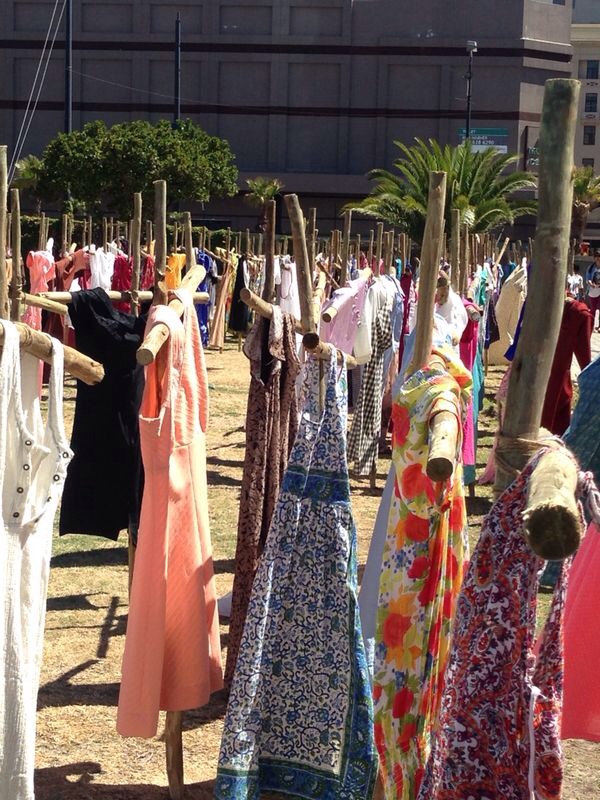
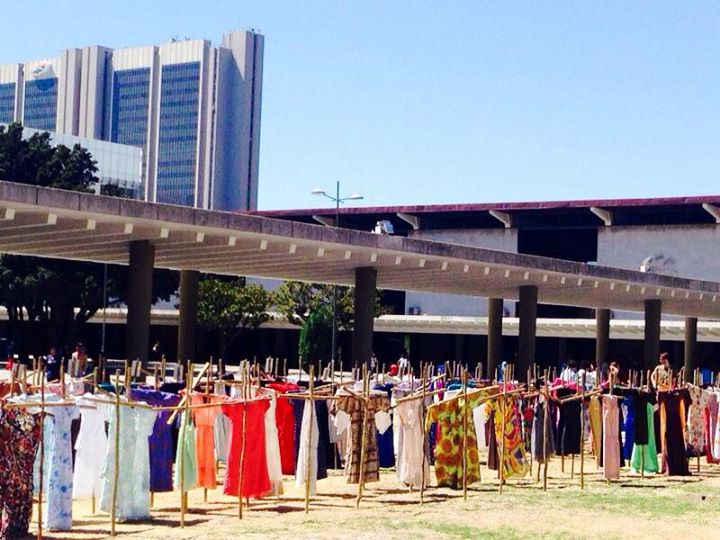
This past week, I experienced a powerfully evocative art installation by Asanda Kaka and Valentina Argirò addressing (no pun intended!) the silent magnitude of this scourge during Cape Town’s annual public arts festival, Infecting The City.

On approaching the rows of dresses hung on crosses, one’s face materialises in mirrors positioned in the “head” space above the dresses, making it impossible to distance one’s own body from the figures represented.

Venue: Cape Town Station
Date: 14 & 15 MARCH 2014

asanda kaka - 3600 per day

The installation “3600 A Day” at Infecting The City – Cape Town, March 2014. Photo: Asanda Kaka

ARTISTS’ STATEMENT

According to a report issued by UNISA, at least one rape case is reported every four minutes in South Africa – this translates into approximately 360 cases per day. 3600 A Day is an installation of women’s’ clothes, donated by women in support of the project. The exaggerated number of 3600 serves to highlight the magnitude of the problem and the number of unreported cases of violence against women and children. In a visual shock of magnitude, the installation warns against the normalisation of such violence.

Installed on crosses, the dresses represent the individual, yet also communal impact that abuse has on all women and children in this country. Reflected in the mirrors on top of the crosses are the faces of those who approach – possible victims, perpetrators or bystanders.

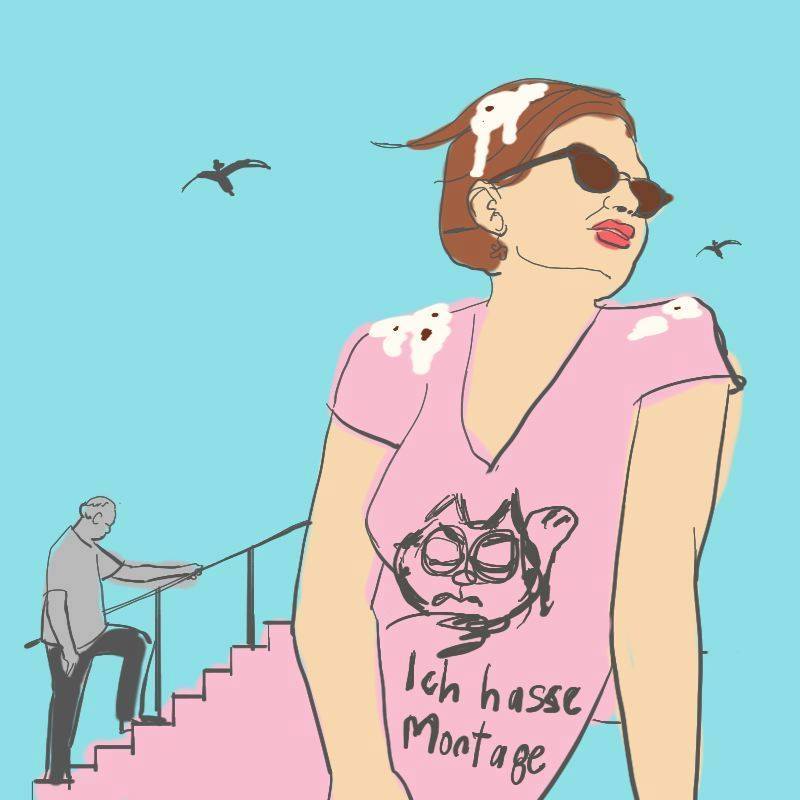
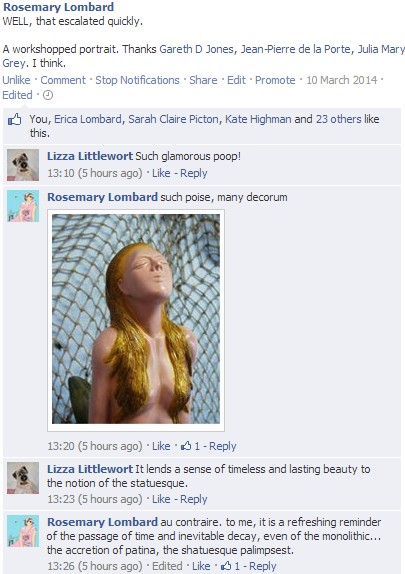
well, that escalated quickly.

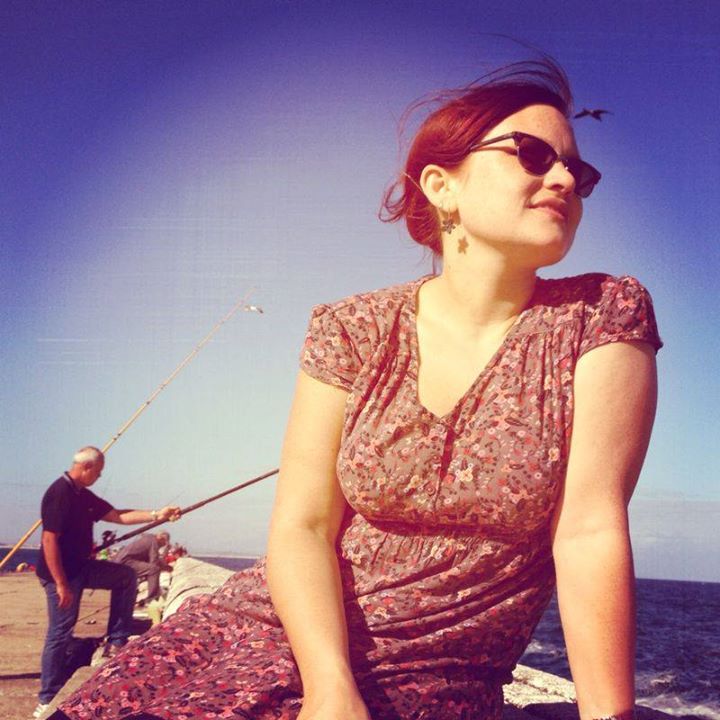
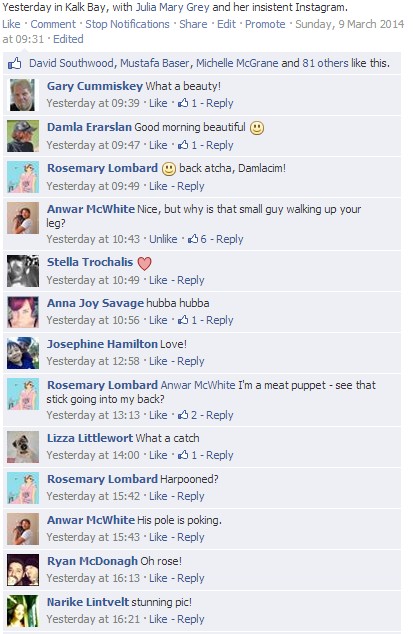
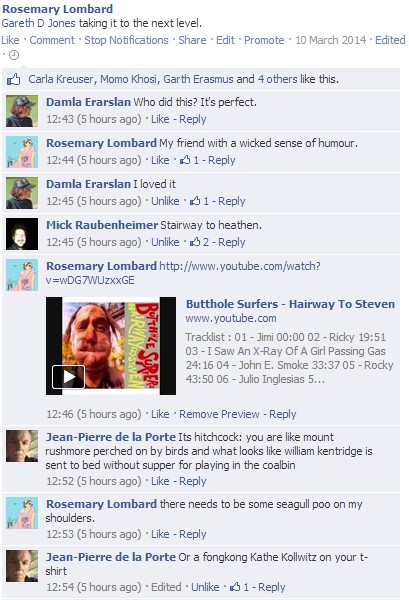
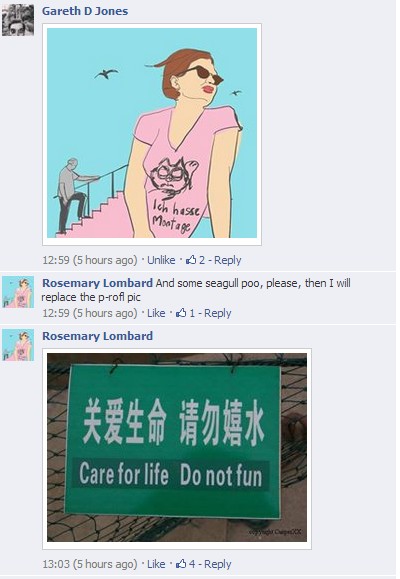
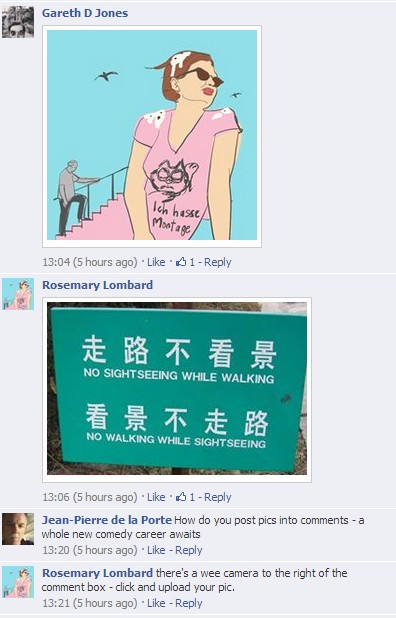
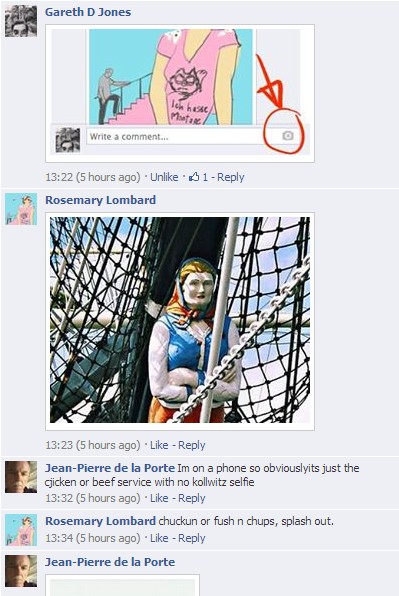
This is what Facebook is really for. Here is a funny conversation that evolved into a collaborative portrait in layers on my wall over a few hours today, a particularly suffocating Monday. I’m keeping this as a snapshot of what creative people used to do when bored silly with social media in 2014.

Photo by Julia Mary Grey, Kalk Bay harbour, Saturday 8 March, 2014

Photo by Julia Mary Grey, Kalk Bay harbour, Saturday 8 March, 2014

sea 1 comments

sea 2

By Gareth Jones,  in response to comments under the original image

sea 2a
sea 2b

sea 2c

sea 2d

By Jean-Pierre Delaporte

By Jean-Pierre de la Porte

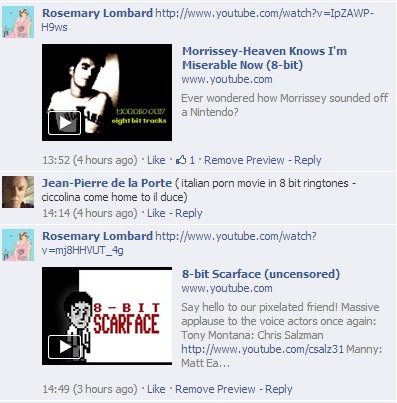
http://youtu.be/IpZAWP-H9ws

sea 2e

Meanwhile, on another thread…

sea 3

By Gareth Jones, third iteration, after further comments under his first drawing

sea 3a

sea 3b

http://youtu.be/JgZbYaLqTLM

sea 3c

sea 3d

alain resnais/chris marker – statues also die (1953)

“We want to see their suffering, serenity, humour, even though we don’t know anything about them.”

http://youtu.be/hzFeuiZKHcg

Directors: Alain Resnais & Chris Marker
Narrator – Jean Négroni
Music – Guy Bernard

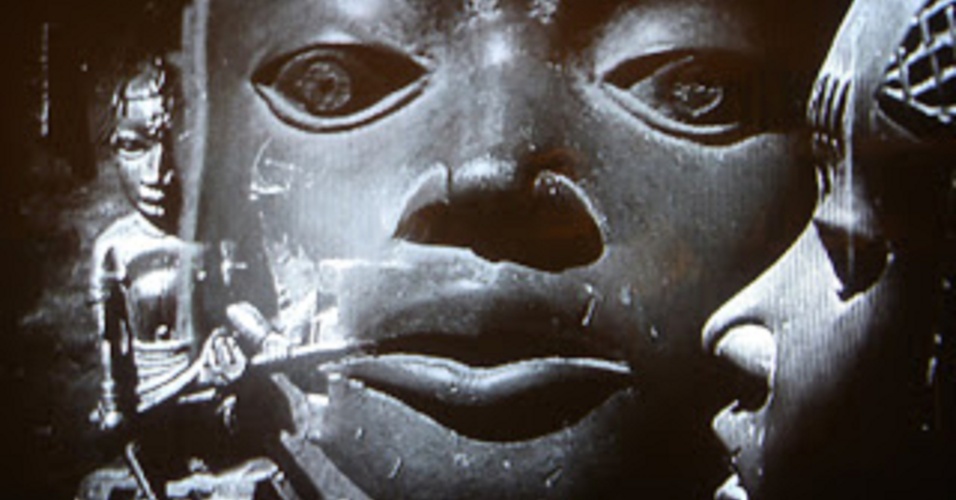
A collaborative work by Resnais and Marker, this is a deeply felt study of African art and the decline it underwent as a result of its contact with Western civilization. The film was banned for more than a decade by French censors as an attack on French colonialism, and is now only available to watch in the shortened version I’ve posted here (turn on the subtitles on Youtube if you want English subtitling).

Statues Also Die traces the devastating impact of French colonialism on African art. As Resnais’ co-director, Chris Marker, stated, “We want to see their suffering, serenity, humor, even though we don’t know anything about them.” Their film shows what happens when art loses its connection to its cultural context of production. Witty, thoughtful commentary is combined with images of stark formal beauty in this outcry against the fate of an art once integral to communal life that became debased as it fell victim to the demands of a different system of knowledge and values.

statues also die
From Wikipedia:

Statues Also Die (French: Les Statues meurent aussi) is a 1953 French essay film directed by Chris Marker and Alain Resnais, about historical African art and the effects colonialism has had on how it is perceived. The film won the 1954 Prix Jean Vigo. Because of its criticism of colonialism, the second half of the film was censored in France until the 1960s.

Synopsis

The film exhibits a series of sculptures, masks and other traditional art from Sub-Saharan Africa. The images are frequently set to music and cut to the music’s pace. The narrator focuses on the emotional qualities of the objects, and discusses the perception of African sculptures from a historical and contemporary European perspective. Only occasionally does the film provide the geographical origin, time period or other contextual information about the objects. The idea of a dead statue is explained as a statue which has lost its original significance and become reduced to a museum object, similarly to a dead person who can be found in history books. Interweaved with the objects are a few scenes of Africans performing traditional music and dances, as well as the death of a disemboweled gorilla.

During the last third of the film, the modern commercialisation of African culture is problematised. The film argues that colonial presence has compelled African art to lose much of its idiosyncratic expression, in order to appeal to Western consumers. A mention is made of how African currencies previously had been replaced by European. In the final segment, the film comments on the position of black Africans themselves in contemporary Europe and North America. Footage is seen from a Harlem Globetrotters basketball show, of the boxer Sugar Ray Robinson, and a jazz drummer intercut with scenes from a confrontation between police and labour demonstrators. Lastly the narrator argues that we should regard African and European art history as one inseparable human culture.

au revoir, alain resnais

“You never seem to be waiting for me, but we kept meeting at every turn of the paths. Behind every bush, at the foot of each statue, near every pond. It is as if it had been only you and I in all that garden.”

 From Last Year at Marienbad, 1961

mon oncle

Alain Resnais and Delphine Seyrig on location shooting “Last Year At Marienbad.”

I made this in 2007 (hence the bad Youtube quality – compressed to all hell).

in recovery – #AgainstStigma the face of addiction/”mental illness”*: one month in

One month into my ‪#‎AgainstStigma‬ project and I have had 10 participants, with three more in the wings – more than I could have dreamt of! To my participants: I am beyond grateful for your incredible courage to stand up and be the face of addiction and/or mental illness, especially in the face of the very real stigma. Thank you, thank you, thank you. You guys are the modern day heroes. You guys are the ones fighting the battle, day by day, and living to tell the tale.

And please, if anyone has any queries, reservations or debates to offer up about this project, please contact me. This is a project under constant revision and re-creation. Let’s discuss and create what we live with together, instead of having the medical and psychiatric industry define it for us.*/**

And let’s keep speaking out against stigma, for the sake of those still struggling with addiction, mental illness and the stigma that prevents them from realising they’re not alone and from getting the support they so desperately need. Please share. Please participate.

Click for: The participants thus far.

* A note on what I mean by mental illness. The word ‘illness’ is something I use for the sake of clarity, to make sure that everyone knows what I am speaking about. So I use the psychiatric term. So whatever your definition and whether you see it as a burden or a gift, what I mean here by ‘mental illness’ is the same thing you mean. I have huge issues with the psychiatric institution and see it as very fraught, and I am not a big fan of the DSM whatever version we’re on now. I don’t believe in ‘diagnosis’ and hate how it labels and limits one. I see my ‘mental illness’ as part of my personality, not a pathology, something that makes me more sensitive and creative than most, which is both beautiful and difficult. Whether you align yourself to addiction as an illness or something that is not pathological, this project is for you, because I would like to put a face on those living outside the boundaries of what most people consider ‘normal’, and making a success of the daily struggles.

** recovery / active recovery / clean time / active recovery from mental illness / clean time from mental illness‘Recovery’ is not easily definable. I use the terms ‘recovery’ and ‘mental illness’ in the way that they are defined by the very, very fraught psychiatric institution. What I mean by ‘in recovery’ as opposed to ‘active addiction’ is that the former has taken the steps needed to live with their mental illness/addiction. They are aware that it is a day-to-day struggle and not something that is ever cured. An active addict or someone who is a victim to their mental illness is someone who is waiting to be saved; someone who does not take responsibility for what they are dealing with. And certainly, reaching out for help is taking responsibility. It’s the difference between between active, an agent in one’s own recovery, and being passive and waiting for a pill/professional/sobriety to save one. What it means for me is the last time my life was completely unmanageable, when I was not functioning, when the depression controlled me instead of the other way around; when I was a victim to it instead of a survivor living with and dealing with it daily. But having said that, it is not all smooth sailing. And not just because I’m an addict and living with mental illness, but because I’m alive ;) There are ups and downs and I have bad days and even relapse in some of my addictions. Or if I don’t relapse in my addictions, then I relapse in my addictive thinking and do impulsive, self-destructive and general ‘addict’ things. This clarification is under constant revision and has not been expressed very well here. Comments, queries and suggestions are very, very welcome. Let’s keep redefining what we live with, by ourselves, for ourselves, instead of having a psychiatric institution tell us what we live with. 
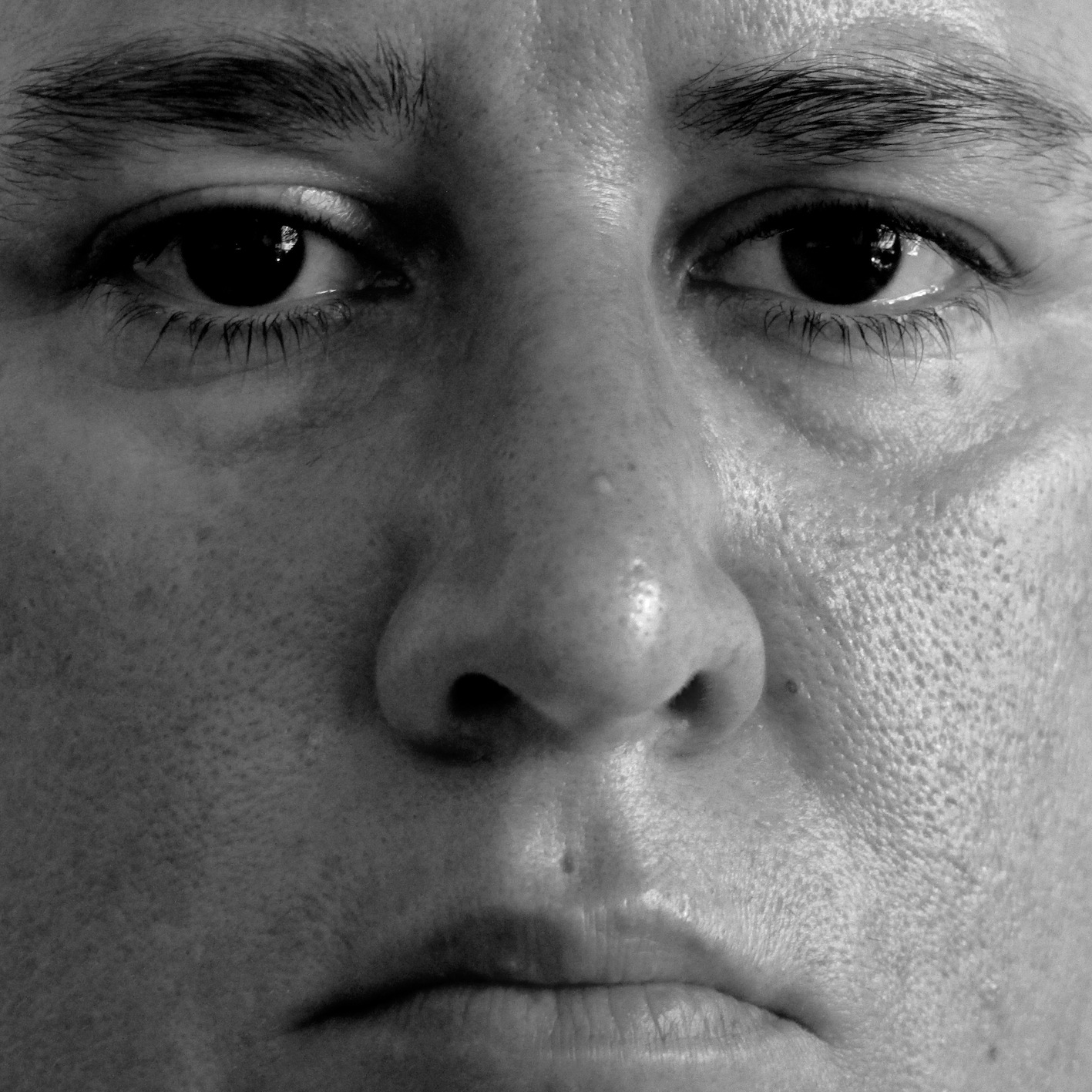
call to participate: #AgainstStigma the face of addiction/’mental illness’*

Please join me in providing a face to the anonymous diseases, in standing against stigma. (For more information about this project, the ideas behind it, and the inspiration for it, please visit my WordPress site: http://germainedelarch.wordpress.com/)

We all have addictions, and a lot of us live with mental illness. If you’re in active recovery, whether it be from mental illness* or from the addictions of smoking, sugar, over-working or heroin, etc., please take part and please share. So this is a call to take the anonymous out of addiction and mental illness. I’d like to begin a movement, centring around a photographic project, where we ‘come out’ as addicts and those living with mental illness. Because those in active addiction and active mental illness need to have a blueprint of what it looks like to be ‘allowed’ back into society, of what it looks like to live day by day with these diseases. Because being in recovery is one of the bravest things anyone can ever do, and this needs to be celebrated rather than stigmatised. And perhaps this will prevent the completely unnecessary deaths of those whom we know and love who feel that they are alone in their addiction and depression.

What are the requirements?
– That you’re a recovering addict** and/or living with mental illness, and not in active addiction** or in any way a victim** of your mental illness*. This project is for people who have overcome or are in the process of overcoming the dysfunction and are stronger for it, who have learned or are learning not only to live with their addictive personalities and mental illness, but who are stronger and more whole than when they first used or became mentally ill.
– The willingness to have your photograph, your full name and your information about your addiction and/or mental illness published on the internet in various social media forms, to be tagged on Facebook, as well as to have your image and details publicised in the form of a physical exhibition.
– That you use your full name.

Submission details:
– Photo: This project is about the message, not the photograph, so it will only work if all the portraits are in the same format. Sorry to limit your creativity, but if you could keep the photograph setup as close to the ones already online that would be great. I’ll edit if needed. Thanks!
– Text: Please fill your details into this format –
My name is ____________. I am a recovering addict (_________ [__ months/years], etc.). I live with mental illness (_________ [_____ months/years*]).
[…] indicates clean time.

* A note on what I mean by mental illness. The word ‘illness’ is something I use for the sake of clarity, to make sure that everyone knows what I am speaking about. So I use the psychiatric term. So whatever your definition and whether you see it as a burden or a gift, what I mean here by ‘mental illness’ is the same thing you mean. I have huge issues with the psychiatric institution and see it as very fraught, and I am not a big fan of the DSM whatever version we’re on now. I don’t believe in ‘diagnosis’ and hate how it labels and limits one. I see my ‘mental illness’ as part of my personality, not a pathology, something that makes me more sensitive and creative than most, which is both beautiful and difficult. Whether you align yourself to addiction as an illness or something that is not pathological, this project is for you, because I would like to put a face on those living outside the boundaries of what most people consider ‘normal’, and making a success of the daily struggles.

** recovery / active recovery / clean time / active recovery from mental illness / clean time from mental illness: ‘Recovery’ is not easily definable. I use the terms ‘recovery’ and ‘mental illness’ in the way that they are defined by the very, very fraught psychiatric institution. What I mean by ‘in recovery’ as opposed to ‘active addiction’ is that the former has taken the steps needed to live with their mental illness/addiction. They are aware that it is a day-to-day struggle and not something that is ever cured. An active addict or someone who is a victim to their mental illness is someone who is waiting to be saved; someone who does not take responsibility for what they are dealing with. And certainly, reaching out for help is taking responsibility. It’s the difference between between active, an agent in one’s own recovery, and being passive and waiting for a pill/professional/sobriety to save one. What it means for me is the last time my life was completely unmanageable, when I was not functioning, when the depression controlled me instead of the other way around; when I was a victim to it instead of a survivor living with and dealing with it daily. But having said that, it is not all smooth sailing. And not just because I’m an addict and living with mental illness, but because I’m alive ;) There are ups and downs and I have bad days and even relapse in some of my addictions. Or if I don’t relapse in my addictions, then I relapse in my addictive thinking and do impulsive, self-destructive and general ‘addict’ things. This clarification is under constant revision and has not been expressed very well here. Comments, queries and suggestions are very, very welcome. Let’s keep redefining what we live with, by ourselves, for ourselves, instead of having a psychiatric institution tell us what we live with.
Stigma Too Much for #AgainstStigma? Please Participate Anonymously in Writing.
Now a month into the project, I must say that I had absolutely no idea how great the stigma is re addiction and mental illness until I started my In Recovery: The Face of Addiction/Mental Illness. ‪#‎AgainstStigma project. I’m getting quite a bit of feedback that people would love to participate, but that they too did not realise how insidious the stigma was. I’d like to ask that those of you who feel that they cannot participate in this project due to the stigma please inbox or email me (germainedelarch@gmail.com). I’d like to include your anonymous comments in this project in a piece I’ll be writing along with it.

And remember: this stigma says more about society than it does about you and your ability to participate.

For any queries, debates, additions to my definitions or submissions, please email germainedelarch@gmail.com

#AgainstStigma the face of addiction/’mental illness’*  1.
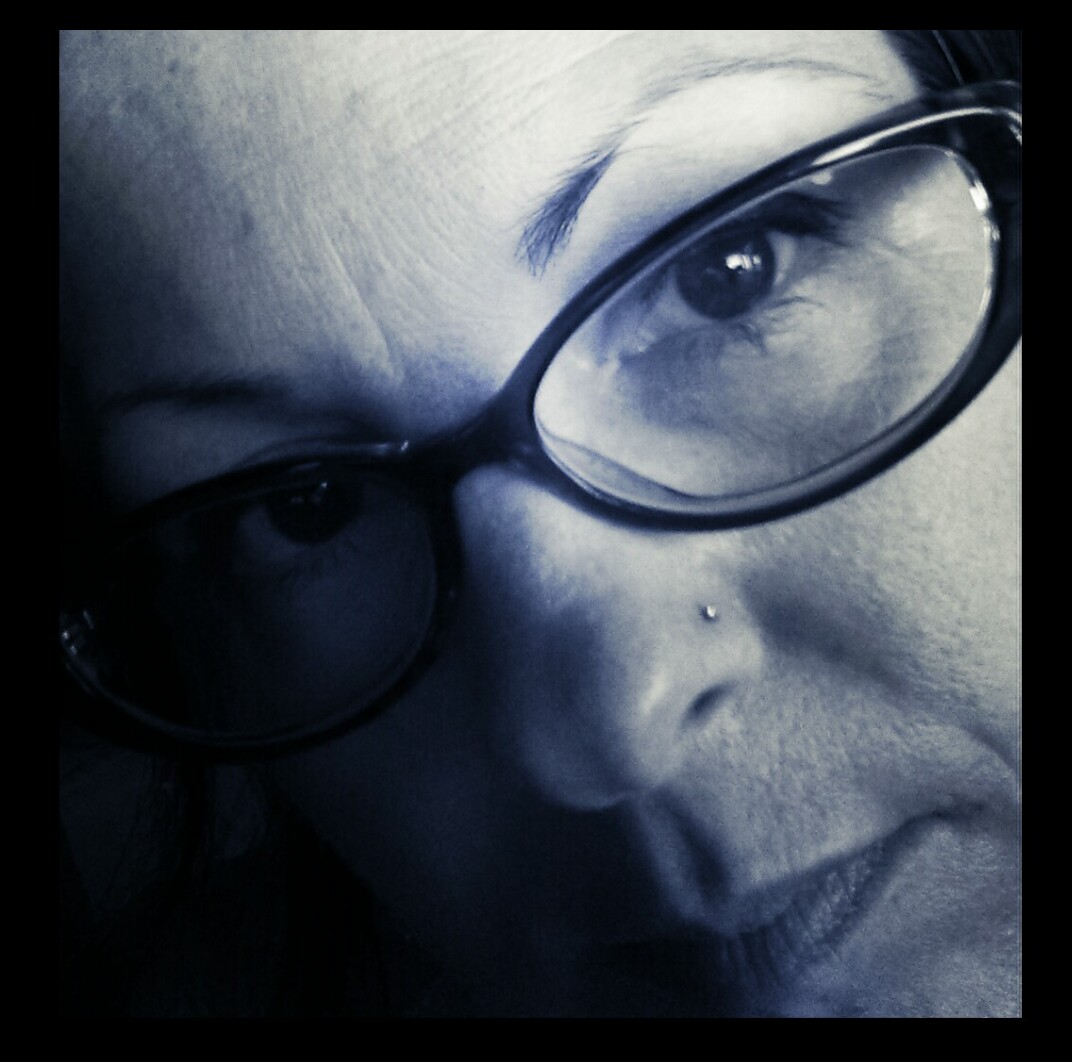
My name is Germaine de Larch. I am a recovering addict (self-mutilation [7 years], bulimia [13 years], overeating [3 years], co-dependent relationships [3 years], cigarettes [2 months, 10 days]). I live with mental illness (chronic depression, social phobia, Generalised Anxiety Disorder and Borderline Personality Disorder [3 years]). […] indicates clean time.
Photo: Self-portrait by Germaine
Johannesburg, South Africa
Image

#AgainstStigma the face of addiction/’mental illness’*  2.
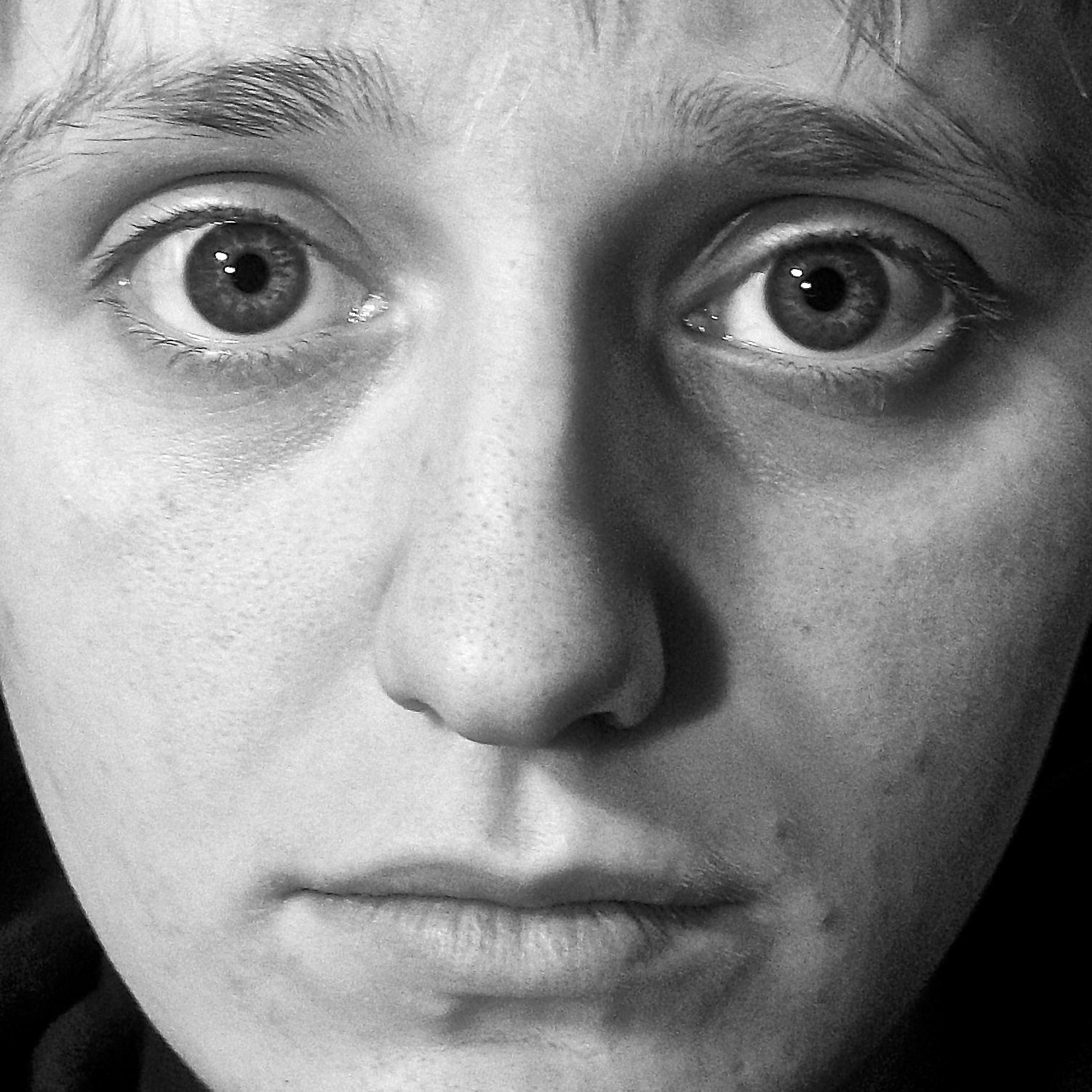
My name is Marelise van der Merwe. I am a recovering addict: bulimia [3 years], cigarettes [9 years], compulsive overeating [6 months]. I live with mental illness: Complex PTSD [ongoing] and a number of anxiety disorders [3 years].
[…] indicates clean time.
Photo: Self-portrait by Marelise
Western Cape, South Africa

Image

#AgainstStigma the face of addiction/’mental illness’*  3.
My name is Paul Strappini. I am a recovering addict: alcohol [11 years], methamphetamine [3 years]. I live with mental illness: Generalised Anxiety Disorder [15 years].
[…] indicates clean time.
Photo: Self-portrait by Paul
Johannesburg, South Africa
Image

#AgainstStigma the face of addiction/’mental illness’*  4.
My name is Zunia Boucher-Myers. I am a recovering addict (cigarettes) [13 years], (compulsive overeating) [3 years]. I live with mental illness* (depression) [2 years].
[…] indicates clean time**.
Self-portrait by Zunia.
Western Cape, South Africa.

Zunia

#AgainstStigma the face of addiction/’mental illness’*  5. 
My name is Airen McClure. I live with mental illness* (chronic depression, anxiety [9 months] and gender dysphoria [one day at a time]).
[…] indicates clean time**.
Self-portrait by Airen.
Pennsylvania, USA

Airen

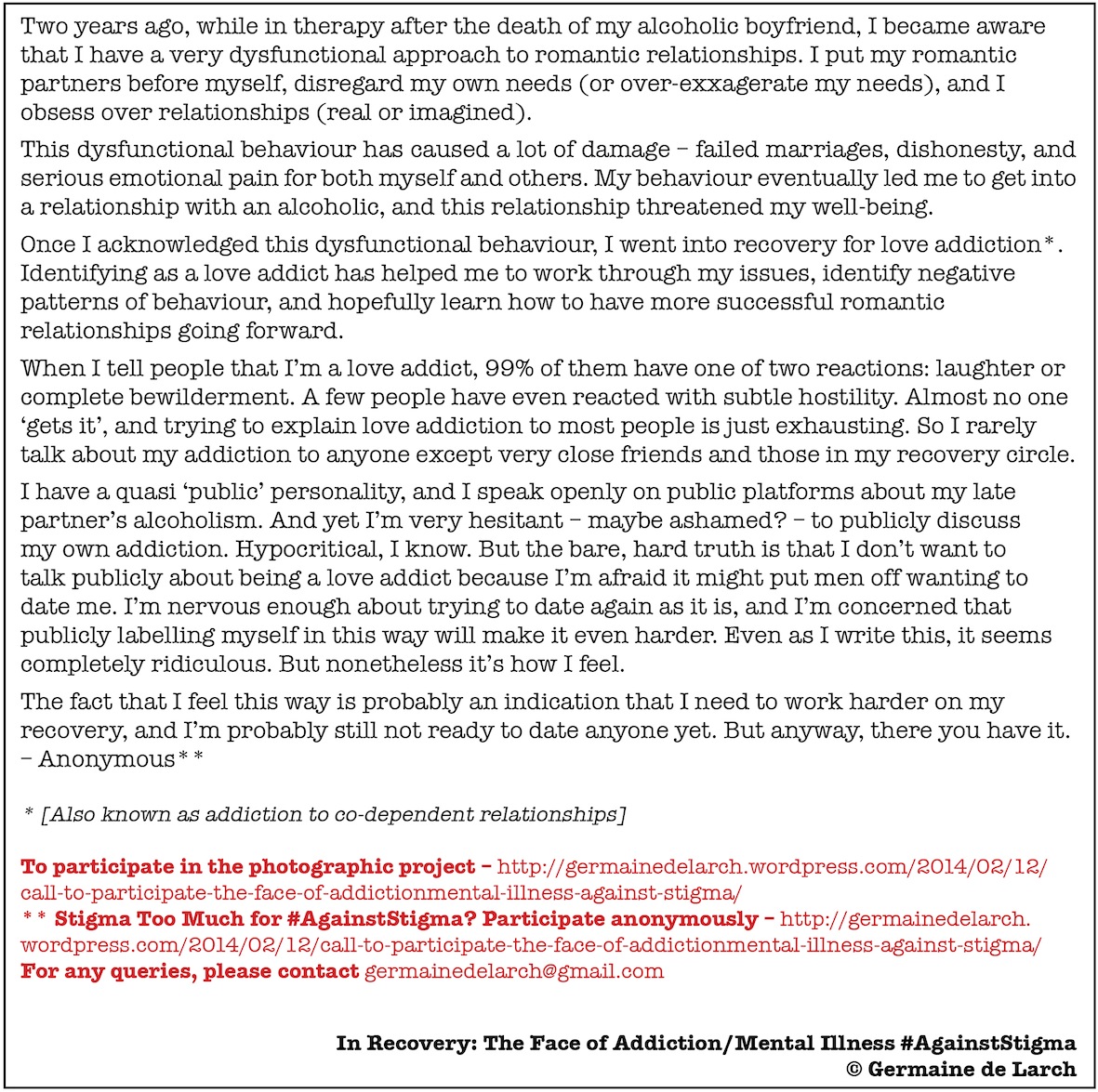
Anonymous #1. #AgainstStigma

#AgainstStigma_Anonymous 1 copy

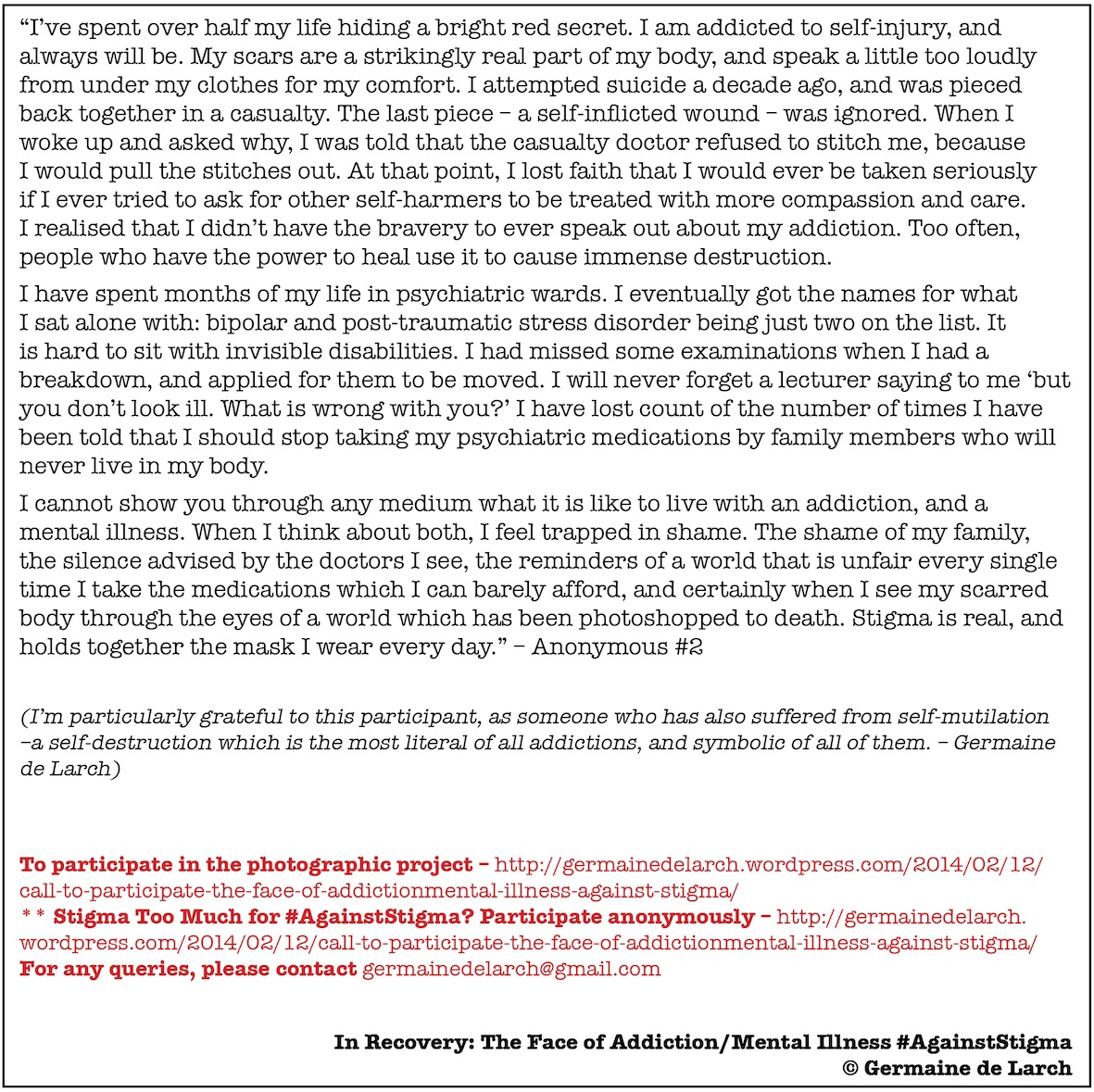
Anonymous #2. #AgainstStigma

#AgainstStigma_Anonymous 2

For more information about this project, the ideas behind it, and the inspiration for it, please visit my WordPress site: http://germainedelarch.wordpress.com/

antonio mora – dream portraits

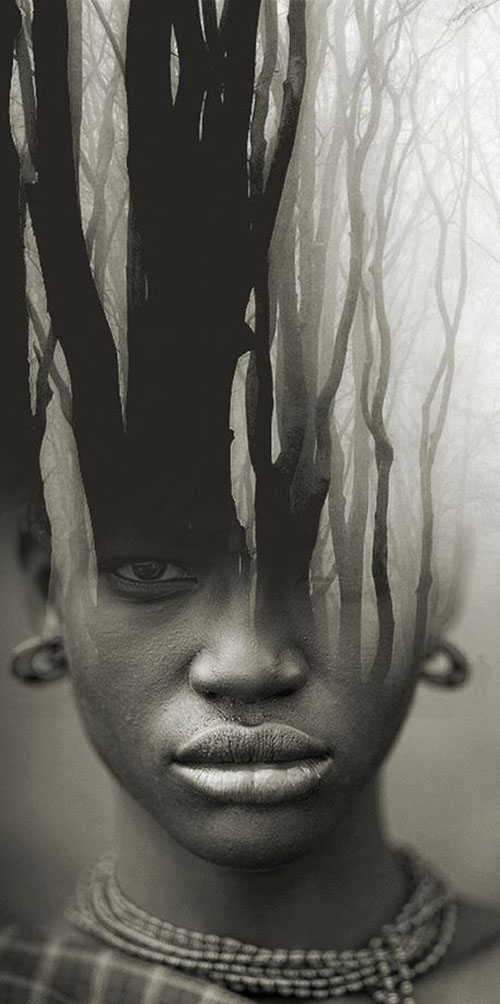
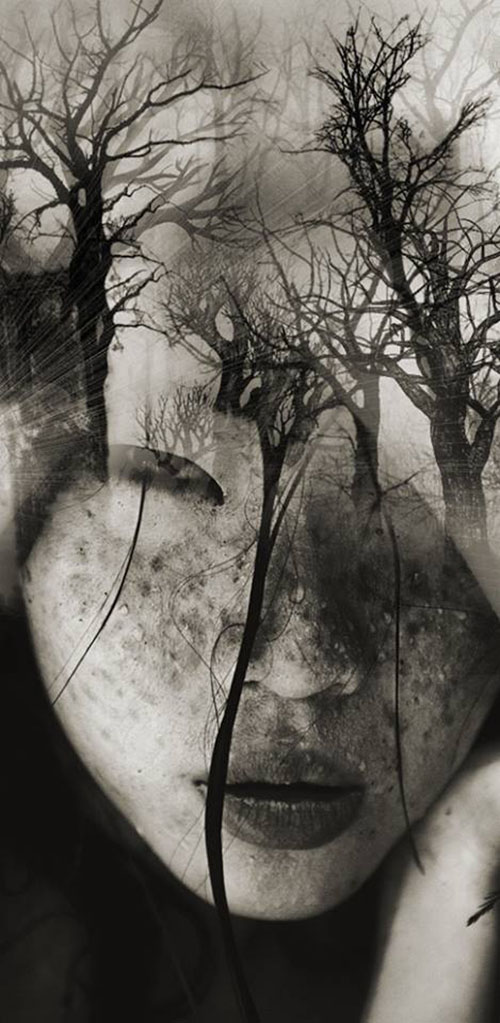
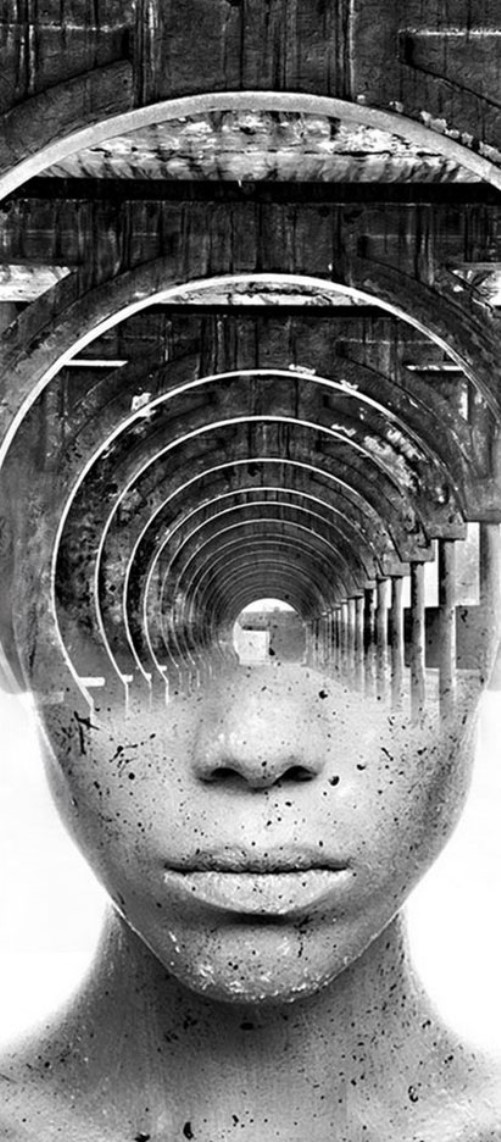
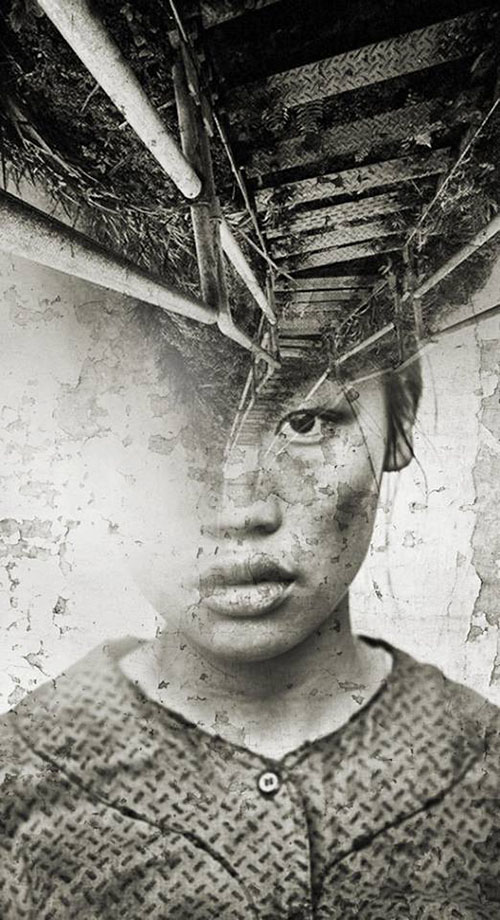
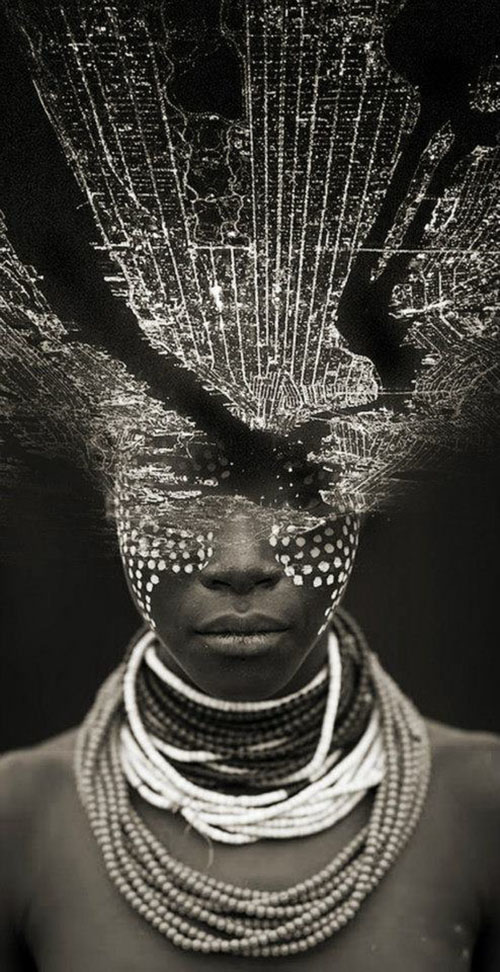
antonio mora 01Spanish artist Antonio Mora is a creative photographer who transforms simple portraits into dreamscapes filled with intriguing emotion. In the series entitled Dream Portraits, the artist blends two elements together to form an elegantly abstract fusion where distinct lines and shapes are no longer evident. The images feature hauntingly beautiful faces that emerge from misty black and white forms like tree branches, rivers, bridges and cloudy skies.

antonio mora 02

antonio mora 04

antonio mora 03

antonio mora 05

roald dahl – the sound machine (1949)

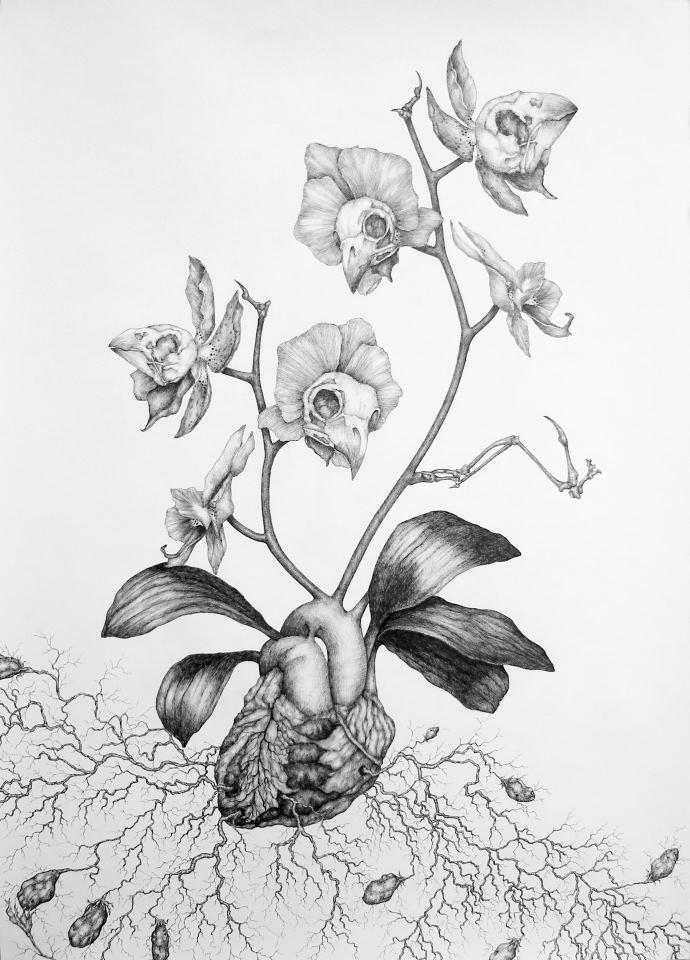
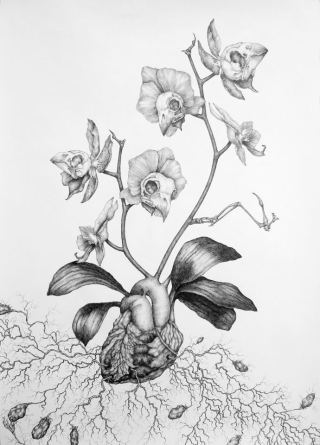
Kate Street - Orchis Nodulosa

Kate Street – Orchis Nodulosa

For a while longer, Klausner fussed about with the wires in the black box; then he straightened up and in a soft excited whisper said, “Now we’ll try again… We’ll take it out into the garden this time… and then perhaps, perhaps… the reception will be better. Lift it up now… carefully… Oh, my God, it’s heavy!”

He carried the box to the door, found that he couldn’t open the door without putting it down, carried it back, put it on the bench, opened the door, and then carried it with some difficulty into the garden. He placed the box carefully on a small wooden table that stood on the lawn. He returned to the shed and fetched a pair of earphones. He plugged the wire connections from the earphones into the machine and put the earphones over his ears. The movements of his hands were quick and precise. He was excited, and breathed loudly and quickly through his mouth. He kept on talking to himself with little words of comfort and encouragement, as though he were afraid–afraid that the machine might not work and afraid also of what might happen if it did. He stood there in the garden beside the wooden table, so pale, small and thin that he looked like an ancient, consumptive, bespectacled child.

The sun had gone down. There was no wind, no sound at all. From where he stood, he could see over a low fence into the next garden, and there was a woman walking down the garden with a flower-basket on her arm. He watched her for a while without thinking about her at all. Then he turned to the box on the table and pressed a switch on its front. He put his left hand on the volume control and his right hand on the knob that moved a needle across a large central dial, like the wavelength dial of a radio. The dial was marked with many numbers, in a series of bands, starting at 15,000 and going on up to 1,000,000. And now he was bending forward over the machine. His head was cocked to one side in a tense, listening attitude. His right hand was beginning to turn the knob.

The needle was travelling slowly across the dial, so slowly he could hardly see it move, and in the earphones he could hear a faint, spasmodic crackling. Behind this crackling sound he could hear a distant humming tone which was the noise of the machine itself, but that was all. As he listened, he became conscious of a curious sensation, a feeling that his ears were stretching out away from his head, that each ear was connected to his head by a thin stiff wire, like a tentacle, and that the wires were lengthening, that the ears were going up and up towards a secret and forbidden territory, a dangerous ultrasonic region where ears had never been before and had no right to be. The little needle crept slowly across the dial, and suddenly he heard a shriek, a frightful piercing shriek, and he jumped and dropped his hands, catching hold of the edge of the table.

He stared around him as if expecting to see the person who had shrieked. There was no one in sight except the woman in the garden next door, and it was certainly not she. She was bending down, cutting yellow roses and putting them in her basket. Again it came–a throatless, inhuman shriek, sharp and short, very clear and cold. The note itself possessed a minor, metallic quality that he had never heard before.

Klausner looked around him, searching instinctively for the source of the noise. The woman next door was the only living thing in sight. He saw her reach down; take a rose stem in the fingers of one hand and snip the stem with a pair of scissors. Again he heard the scream. It came at the exact moment when the rose stem was cut. At this point, the woman straightened up, put the scissors in the basket with the roses and turned to walk away.

“Mrs Saunders!” Klausner shouted, his voice shrill with excitement. “Oh, Mrs Saunders!” And looking round, the woman saw her neighbour standing on his lawn–a fantastic, arm-waving little person with a pair of earphones on his head–calling to her in a voice so high and loud that she became alarmed. “Cut another one! Please cut another one quickly!”

She stood still, staring at him. “Why, Mr Klausner,” she said, “What’s the matter?”

“Please do as I ask,” he said. “Cut just one more rose!”

Mrs Saunders had always believed her neighbour to be a rather peculiar person; now it seemed that he had gone completely crazy. She wondered whether she should run into the house and fetch her husband. No, she thought. No, he’s harmless. I’ll just humour him.

“Certainly, Mr Klausner, if you like,” she said.

She took her scissors from the basket, bent down and snipped another rose. Again Klausner heard that frightful, throatless shriek in the earphones; again it came at the exact moment the rose stem was cut. He took off the earphones and ran to the fence that separated the two gardens. “All right,” he said. “That’s enough. No more. Please, no more.”

The woman stood there, a yellow rose in one hand, clippers in the other, looking at him.”I’m going to tell you something, Mrs Saunders,” he said, “something that you won’t believe.” He put his hands on top of the fence and peered at her intently through his thick spectacles. “You have, this evening, cut a basketful of roses. You have, with a sharp pair of scissors, cut through the stems of living things, and each rose that you cut screamed in the most terrible way. Did you know that, Mrs Saunders?”

“No,” she said. “I certainly didn’t know that.”

“It happens to be true,” he said. He was breathing rather rapidly, but he was trying to control his excitement. “I heard them shrieking. Each time you cut one, I heard the cry of pain. A very high-pitched sound, approximately one hundred and thirty-two thousand vibrations a second. You couldn’t possibly have heard it yourself. But I heard it.”

“Did you really, Mr Klausner?” She decided she would make a dash for the house in about five seconds.

“You might say,” he went on, “that a rose bush has no nervous system to feel with, no throat to cry with. You’d be right. It hasn’t. Not like ours, anyway. But how do you know, Mrs Saunders”–and here he leaned far over the fence and spoke in a fierce whisper, “how do you know that a rose bush doesn’t feel as much pain when someone cuts its stem in two as you would feel if someone cut your wrist off with a garden shears? How do you know that? It’s alive, isn’t it?”

“Yes, Mr Klausner. Oh, yes and good night.”

Quickly she turned and ran up the garden to her house. Klausner went back to the table. He put on the earphones and stood for a while listening. He could still hear the faint crackling sound and the humming noise of the machine, but nothing more. He bent down and took hold of a small white daisy growing on the lawn. He took it between thumb and forefinger and slowly pulled it upward and sideways until the stem broke. From the moment that he started pulling to the moment when the stem broke, he heard–he distinctly heard in the earphones–a faint high-pitched cry, curiously inanimate.

He took another daisy and did it again. Once more he heard the cry, but he wasn’t sure now that it expressed pain. No, it wasn’t pain; it was surprise. Or was it? It didn’t really express any of the feelings or emotions known to a human being. It was just a cry, a neutral, stony cry–a single, emotionless note, expressing nothing. It had been the same with the roses. He had been wrong in calling it a cry of pain. A flower probably didn’t feel pain. It felt something else which we didn’t know about–something called tom or spun or plinuckment, or anything you like.

He stood up and removed the earphones. It was getting dark and he could see pricks of light shining in the windows of the houses all around him. Carefully he picked up the black box from the table, carried it into the shed and put it on the workbench. Then he went out, locked the door behind him and walked up to the house.

The next morning Klausner was up as soon as it was light. He dressed and went straight to the shed. He picked up the machine and carried it outside,clasping it to his chest with both hands, walking unsteadily under its weight. He went past the house, out through the front gate, and across the road to the park.There he paused and looked around him; then he went on until he came to a large tree, a beech tree, and he placed the machine on the ground close to the trunk of the tree.

Quickly he went back to the house and got an axe from the coal cellar and carried it across the road into the park. He put the axe on the ground beside the tree. Then he looked around him again, peering nervously through his thick glasses in every direction. There was no one about. It was six in the morning.He put the earphones on his head and switched on the machine. He listened for a moment to the faint familiar humming sound; then he picked up the axe, took a stance with his legs wide apart and swung the axe as hard as he could at the base of the tree trunk.

The blade cut deep into the wood and stuck there, and at the instant of impact he heard a most extraordinary noise in the earphones. It was a new noise, unlike any he had heard before–a harsh, noteless, enormous noise, a growling, low pitched, screaming sound, not quick and short like the noise of the roses, but drawn out like a sob lasting for fully a minute, loudest at the moment when the axe struck, fading gradually fainter and fainter until it was gone.


Excerpted from Roald Dahl’s short story, “The Sound Machine”, first published in The New Yorker on September 17, 1949.  Read the full story HERE.