achille mbembe on fire

Brilliant and inspiring lecture by Prof. Achille Mbembe in conversation with Rhodes Must Fall at UCT on 29 April 2015, talking about decolonising the university.

Read his speaking notes here: Achille Mbembe – Decolonizing Knowledge and the Question of the Archive (pdf document).

biko on “white allies'” place in the struggle against racism

steve bikoWe are concerned with that curious bunch of nonconformists who explain their participation in negative terms: that bunch of do-gooders that goes under all sorts of names—liberals, leftists etc. These are the people who argue that they are not responsible for white racism and the country’s “inhumanity to the black man”. These are the people who claim that they too feel the oppression just as acutely as the blacks and therefore should be jointly involved in the black man’s struggle for a place under the sun. In short, these are the people who say that they have black souls wrapped up in white skins.

The role of the white liberal in the black man’s history in South Africa is a curious one. Very few black organisations were not under white direction. True to their image, the white liberals always knew what was good for the blacks and told them so. The wonder of it all is that the black people have believed in them for so long. It was only at the end of the ’50s that the blacks started demanding to be their own guardians.

Nowhere is the arrogance of the liberal ideology demonstrated so well as in their insistence that the problems of the country can only be solved by a bilateral approach involving both black and white. This has, by and large, come to be taken in all seriousness as the modus operandi in South Africa by all those who claim they would like a change in the status quo. Hence the multiracial political organisations and parties and the “nonracial” student organisations, all of which insist on integration not only as an end goal but also as a means.

The integration they talk about is first of all artificial in that it is a response to conscious manoeuvre rather than to the dictates of the inner soul. In other words the people forming the integrated complex have been extracted from various segregated societies with their inbuilt complexes of superiority and inferiority and these continue to manifest themselves even in the “nonracial” set-up of the integrated complex. As a result the integration so achieved is a one-way course, with the whites doing all the talking and the blacks the listening. Let me hasten to say that I am not claiming that segregation is necessarily the natural order; however, given the facts of the situation where a group experiences privilege at the expense of others, then it becomes obvious that a hastily arranged integration cannot be the solution to the problem. It is rather like expecting the slave to work together with the slave-master’s son to remove all the conditions leading to the former’s enslavement.

Secondly, this type of integration as a means is almost always unproductive. The participants waste lots of time in an internal sort of mudslinging designed to prove that A is more of a liberal than B. In other words the lack of common ground for solid identification is all the time manifested in internal strifes inside the group.

It will not sound anachronistic to anybody genuinely interested in real integration to learn that blacks are asserting themselves in a society where they are being treated as perpetual under-16s. One does not need to plan for or actively encourage real integration. Once the various groups within a given community have asserted themselves to the point that mutual respect has to be shown then you have the ingredients for a true and meaningful integration.

At the heart of true integration is the provision for each man, each group to rise and attain the envisioned self. Each group must be able to attain its style of existence without encroaching on or being thwarted by another. Out of this mutual respect for each other and complete freedom of self-determination there will obviously arise a genuine fusion of the life-styles of the various groups. This is true integration.

From this it becomes clear that as long as blacks are suffering from inferiority complex—a result of 300 years of deliberate oppression, denigration and derision—they will be useless as co-architects of a normal society where man is nothing else but man for his own sake. Henc what is necessary as a prelude to anything else that may come is a very strong grass-roots build-up of black consciousness such that blacks can learn to assert themselves and stake their rightful claim.

Thus in adopting the line of a nonracial approach, the liberals are playing their old game. They are claiming a “monopoly on intelligence and moral judgement” and setting the pattern and pace for the realisation of the black man’s aspirations. They want to remain in good books with both the black and white worlds. They want to shy away from all forms of “extremisms”, condemning “white supremacy” as being just as bad as “Black Power!”. They vacillate between the two worlds, verbalising all the complaints of the blacks beautifully while skilfully extracting what suits them from the exclusive pool of white privileges. But ask them for a moment to give a concrete meaningful programme that they intend adopting, then you will see on whose side they really are. Their protests are directed at and appeal to white conscience, everything they do is directed at finally convincing the white electorate that the black man is also a man and that at some future date he should be given a place at the white man’s table.

The myth of integration as propounded under the banner of liberal ideology must be cracked and killed because it makes people believe that something is being done when in actual fact the artificial integrated circles are a soporific on the blacks and provide a vague satisfaction for the guilty-stricken whites. It works on a false premise that because it is difficult to bring people from different races together in this country, therefore achievement of this is in itself a step forward towards the total liberation of the blacks. Nothing could be more irrelevant and therefore misleading. Those who believe in it are living in a fool’s paradise.

First the black-white circles are almost always a creation of white liberals. As a testimony to their claim of complete identification with the blacks, they call a few “intelligent and articulate” blacks to “come around for tea at home”, where all present ask each other the same old hackneyed question “how can we bring about change in South Africa?” The more such tea-parties one calls the more of a liberal he is and the freer he shall feel from the guilt that harnesses and binds his conscience. Hence he moves around his white circles— whites-only hotels, beaches, restaurants and cinemas—with a lighter load, feeling that he is not like the rest of the others. Yet at the back of his mind is a constant reminder that he is quite comfortable as things stand and therefore should not bother about change. Although he does not vote for the Nats (now that they are in the majority anyway), he feels quite secure under the protection offered by the Nats and subconsciously shuns the idea of a change. This is what demarcates the liberal from the black world. The liberals view the oppression of blacks as a problem that has to be solved, an eye sore spoiling an otherwise beautiful view. From time to time the liberals make themselves forget about the problem or take their eyes off the eyesore. On the other hand, in oppression the blacks are experiencing a situation from which they are unable to escape at any given moment. Theirs is a struggle to get out of the situation and not merely to solve a peripheral problem as in the case of the liberals. This is why blacks speak with a greater sense of urgency than whites.

A game at which the liberals have become masters is that of deliberate evasiveness. The question often comes up “what can I do?”. If you ask him to do something like stopping to use segregated facilities or dropping out of varsity to work at menial jobs like all blacks or defying and denouncing all provisions that make him privileged, you always get the answer—“but that’s unrealistic!”. While this may be true, it only serves to illustrate the fact that no matter what a white man does, the colour of his skin—his passport to privilege—will always put him miles ahead of the black man. Thus in the ultimate analysis no white person can escape being part of the oppressor camp.

“There exists among men, because they are men, a solidarity through which each shares responsibility for every injustice and every wrong committed in the world, and especially for crimes that are committed in his presence or of which he cannot be ignorant”.

This description of “metaphysical guilt” explains adequately that white racism “is only possible because whites are indifferent to suffering and patient with cruelty” meted out to the black man. Instead of involving themselves in an all-out attempt to stamp out racism from their white society, liberals waste lots of time trying to prove to as many blacks as they can find that they are liberal. This arises out of the false belief that we are faced with a black problem. There is nothing the matter with blacks. The problem is WHITE RACISM and it rests squarely on the laps of the white society. The sooner the liberals realise this the better for us blacks. Their presence amongst us is irksome and of nuisance value. It removes the focus of attention from essentials and shifts it to ill-defined philosophical concepts that are both irrelevant to the black man and merely a red herring across the track. White liberals must leave blacks to take care of their own business while they concern themselves with the real evil in our society—white racism…

… Does this mean that I am against integration? If by integration you understand a breakthrough into white society by blacks, an assimilation and acceptance of blacks into an already established set of norms and code of behaviour set up by and maintained by whites, then YES I am against it. I am against the superior-inferior white-black stratification that makes the white a perpetual teacher and the black a perpetual pupil (and a poor one at that). I am against the intellectual arrogance of white people that makes them believe that white leadership is a sine qua non in this country and that whites are the divinely appointed pace-setters in progress. I am against the fact that a settler minority should impose an entire system of values on an indigenous people.

If on the other hand by integration you mean there shall be free participation by all members of a society, catering for the full expression of the self in a freely changing society as determined by the will of the people, then I am with you. For one cannot escape the fact that the culture shared by the majority group in any given society must ultimately determine the broad direction taken by the joint culture of that society. This need not cramp the style of those who feel differently but on the whole, a country in Africa, in which the majority of the people are African must inevitably exhibit African values and be truly African in style.

What of the claim that the blacks are becoming racists? This is a favourite pastime of frustrated liberals who feel their trusteeship ground being washed off from under their feet. These self-appointed trustees of black interests boast of years of experience in their fight for the ‘rights of the blacks’. They have been doing things for blacks, on behalf of blacks, and because of blacks. When the blacks announce that the time has come for them to do things for themselves and all by themselves all white liberals shout blue murder!

“Hey, you can’t do that. You’re being a racist. You’re falling into their trap.”

Apparently it’s alright with the liberals as long as you remain caught by their trap. Those who know, define racism as discrimination by a group against another for the purposes of subjugation or maintaining subjugation. In other words one cannot be a racist unless he has the power to subjugate. What blacks are doing is merely to respond to a situation in which they find themselves the objects of white racism. We are in the position in which we are because of our skin. We are collectively segregated against—what can be more logical than for us to respond as a group? When workers come together under the auspices of a trade union to strive for the betterment of their conditions, nobody expresses surprise in the Western world. It is the done thing. Nobody accuses them of separatist tendencies. Teachers fight their battles, garbagemen do the same, nobody acts as a trustee for another. Somehow, however, when blacks want to do their thing the liberal establishment seems to detect an anomaly. This is in fact a counter-anomaly. The anomaly was there in the first instance when the liberals were presumptuous enough to think that it behoved them to fight the battle for the blacks.

The liberal must understand that the days of the Noble Savage are gone; that the blacks do not need a go-between in this struggle for their own emancipation. No true liberal should feel any resentment at the growth of black consciousness. Rather, all true liberals should realise that the place for their fight for justice is within their white society. The liberals must realise that they themselves are oppressed if they are true liberals and therefore they must fight for their own freedom and not that of the nebulous “they” with whom they can hardly claim identification. The liberal must apply himself with absolute dedication to the idea of educating his white brothers that the history of the country may have to be rewritten at some stage and that we may live in “a country where colour will not serve to put a man in a box”.

The blacks have heard enough of this. In other words, the liberal must serve as a lubricating material so that as we change the gears in trying to find a better direction for South Africa, there should be no grinding noises of metal against metal but a free and easy flowing movement which will be characteristic of a well-looked-after vehicle.

From I Write What I Like.

olive schreiner on cecil john rhodes

“We fight Rhodes because he means so much of oppression, injustice, and moral degradation to South Africa; – but if he passed away tomorrow there still remains the terrible fact that something in our society has formed the matrix which has fed, nourished, and built up such a man!”

— In a letter to John X. Merriman on 3 April 1897, published at Olive Schreiner Letters online.

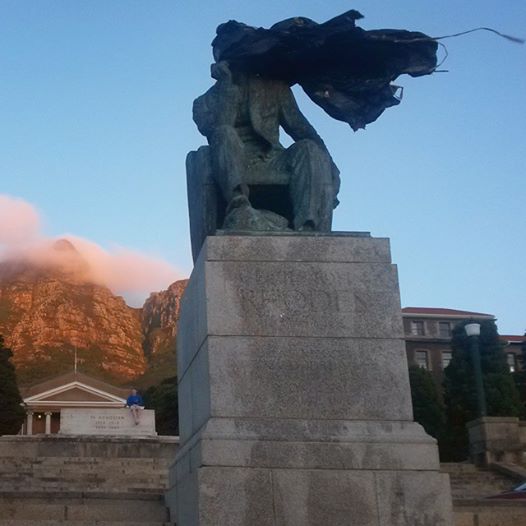
Rhodes statue, head covered in garbage bags. University of Cape Town, 17 March 2015. Photo: Rosemary Lombard

Statue of Cecil John Rhodes, head covered in garbage bags. University of Cape Town, 17 March 2015. Photo: Rosemary Lombard

Some more provocative white writing about the legacy of Rhodes can be found HERE.

twiggy girls (1977)

The 1960s – Two teenagers take fate into their own hands and become the ultimate fashion victims in this existential folie a deux starring Donna Modrowski and Michael Onesko. Story by Michael Onesko, original score by Mark Winner, directed by Dan Winner, voiceover by Linda Snelton, assisted by Germain Modrowski, Karen Winner and Connie Karabatsos. Shown at The Women’s Film Forum of Chicago, 1977.

on cutting the crap

(Amen!)

UPDATE, 3 SEPTEMBER: I have just checked and the following quote is actually from the author José Micard Teixeira, but has been widely misattributed to Meryl Streep (apologies — I picked it up on Facebook). However, these words do resonate with Ms Streep’s uncompromising attitude to life, which is why the erroneous attribution has stuck, I guess. I love the sentiment, and am happy to pass this on, whoever said it!

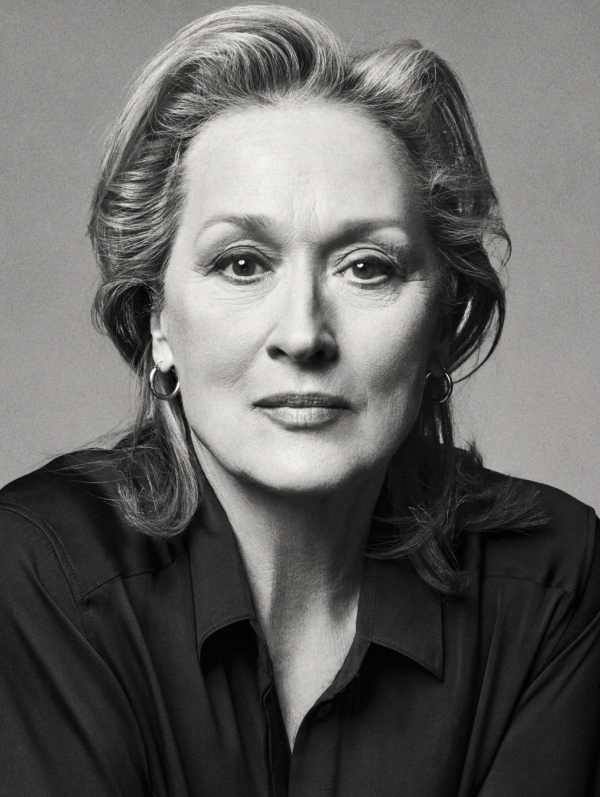
meryl“I no longer have patience for certain things, not because I’ve become arrogant, but simply because I’ve reached a point in my life where I do not want to waste more time with what displeases me or hurts me. I have no patience for cynicism, excessive criticism and demands of any nature. I lost the will to please those who do not like me, to love those who do not love me and to smile at those who do not want to smile at me.

“I no longer spend a single minute on those who lie or want to manipulate. I decided not to coexist anymore with pretense, hypocrisy, dishonesty and cheap praise. I do not tolerate selective erudition nor academic arrogance. I do not adjust either to popular gossiping. I hate conflict and comparisons. I believe in a world of opposites and that’s why I avoid people with rigid and inflexible personalities. In friendship I dislike the lack of loyalty and betrayal. I do not get along with those who do not know how to give a compliment or a word of encouragement. Exaggerations bore me and I have difficulty accepting those who do not like animals. And on top of everything I have no patience for anyone who does not deserve my patience.”

on self knowledge

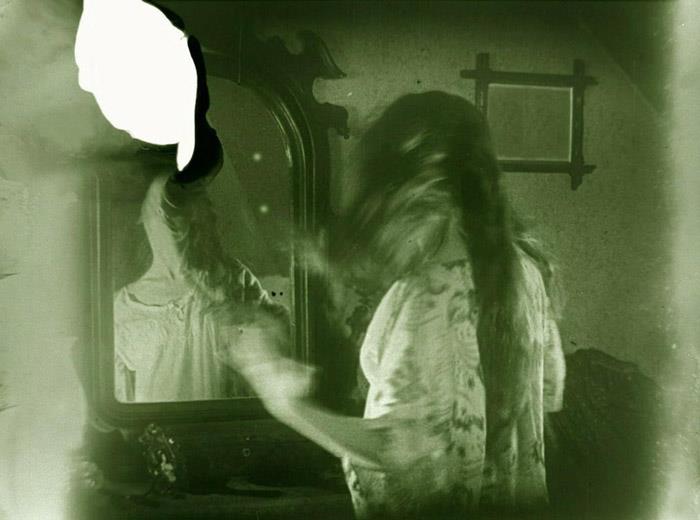
Image: Eric Rondpierre

Image: Eric Rondpierre

Self knowledge is not fully possible for human beings. We do not reside in a body, a mind or a world where it is achievable or, from the point of being interesting, even desirable. Half of what lies in the heart and mind is potentiality, resides in the darkness of the unspoken and unarticulated and has not yet come into being: this hidden unspoken half of a person will supplant and subvert any present understandings we have about ourselves. Human beings are always, and always will be, a frontier between what is known and what is not known. The act of turning any part of the unknown into the known is simply an invitation for an equal measure of the unknown to flow in and reestablish that frontier: to reassert the far horizon of an individual life; to make us what we are – that is – a moving edge between what we know about ourselves and what we are about to become. What we are actually about to become or are afraid of becoming always trumps and rules over what we think we are already…

— David Whyte, 2014. Excerpted from “Self Knowledge”, from the upcoming book of essays CONSOLATIONS: The Solace, Nourishment and Underlying Meaning in Everyday Words.

people in palestine being human


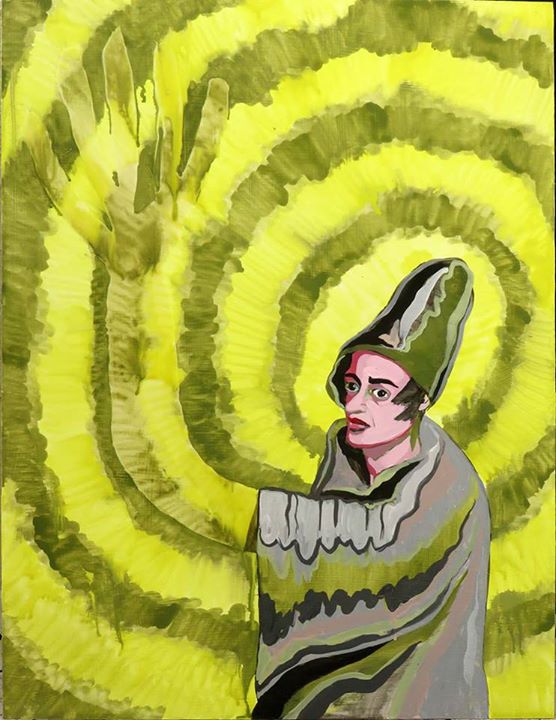
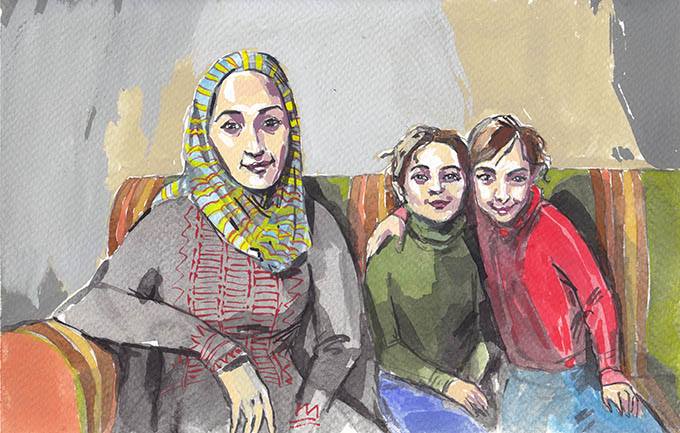
A mother and two little girls, Palestine.

A mother and two little girls, Palestine. Lizza Littlewort, July 2014

Q: Lizza, did you paint this from a photo? I want to post these on Fleurmach and include context if there is some.

A: The likenesses are so bad there’s not much point referring to the originals… which I guess is a good thing, because I don’t feel like I’m violating anyone’s privacy. I’ve been working in a way where I strive for immediacy by going straight into paint with no pencil work underneath, so it’s pot luck how it turns out. The subjects are Palestinian though, I can say that much! I wanted to be sure to get a mood which is realistic. I want to do more of people in Palestine being human.


on the vulgarity of “identity”

I feel with some passion that what we truly are is private, and almost infinitely complex, and ambiguous, and both external and internal, and double- or triple- or multiply natured, and largely mysterious even to ourselves; and furthermore that what we are is only part of us, because identity, unlike “identity”, must include what we do.

And I think that to find oneself and every aspect of this complexity reduced in the public mind to one property that apparently subsumes all the rest (“gay”, “black”, “Muslim”, whatever) is to be the victim of a piece of extraordinary intellectual vulgarity. Literally vulgar: from vulgus. It’s crowd-thought.

— Philip Pullman

kurt cobain interview (seattle, 1993)

Kurt in 1993, very lucidly, on a bunch of stuff including misanthropy, sexism, advocacy, collecting, and his fascination with anatomy. Living in South Africa, I never saw any interviews with him back then and, watching this today, it struck me that I hadn’t expected him to be this honestly unaffected and humble. This interview happened only a little over half a year before his suicide in April 1994.

ayn rand, rand paul and paul ryan walk into a bar

lizza ayn paul rand

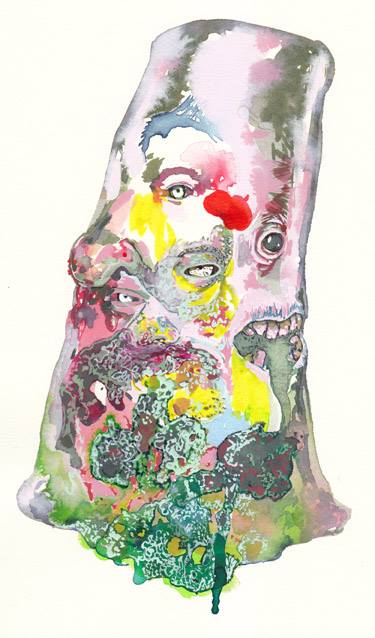
Lizza Littlewort, 2014. Watercolour on 100% cotton paper.

This picture was made in appreciation of that really great joke that went around recently: Ayn Rand, Rand Paul and Paul Ryan walk into a bar. The barman serves them tainted alcohol because there are no regulations. They die.

kola boof

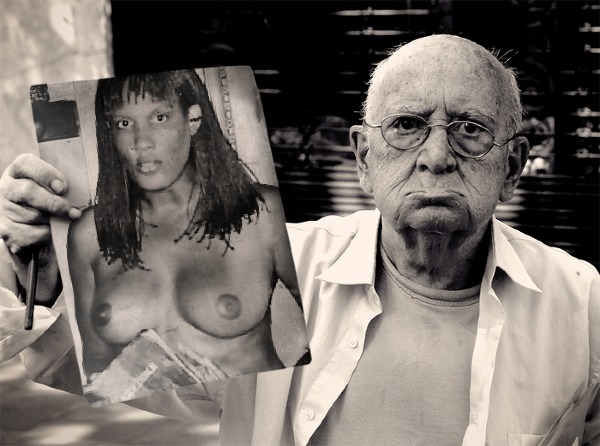
This Ohio bookseller refuses to carry African writer Kola Boof's novels because of nudity.

This Ohio bookseller refuses to carry African writer Kola Boof’s novels because of nudity.

“I don’t agree that I am controversial. What I feel is that most people are not critical thinkers.  The society tells them what to believe, what to think…and their knee jerk reactions are guided completely by that conditioning.  They usually realize later on that what I’m saying is not controversial… when they take time and think in depth.  Even if they don’t agree with me… they understand what I’m saying without all the claims of being shocked by controversy.  I’m not a controversial person if you’re a critical thinker.”

Check out Kola Boof’s website, where you can also read more of this interview.

vice v – mr president

http://youtu.be/WTvc0HI3Mjc

“Mr President” is the controversial first single released on Long Talk 2 Freedom. It is a work of hip-hop protest literature which deals with the failed presidency of Jacob Zuma. The work remixes, and was inspired by, Tunisian rapper El-general’s classic, “Rayes lebled”, which became the theme song of the Tunisian revolution which brought Tunisian Prime Minister Zine El Abidine Ben Ali down in 2011.

Written, produced, mixed and mastered by Sizwe Mpofu-Walsh aka Vice V
Recorded by Tiger.X

Speeches referenced:
T. Lekota, “Response to the State of the Nation Address”, February, 2013.
J. Malema, “They Shot us Behind the Mountain: Address on the First Anniversary of the Marikana Massacre”, August, 2013.

http://longtalk2freedom.com/

“if i get killed, please don’t bury my soul”

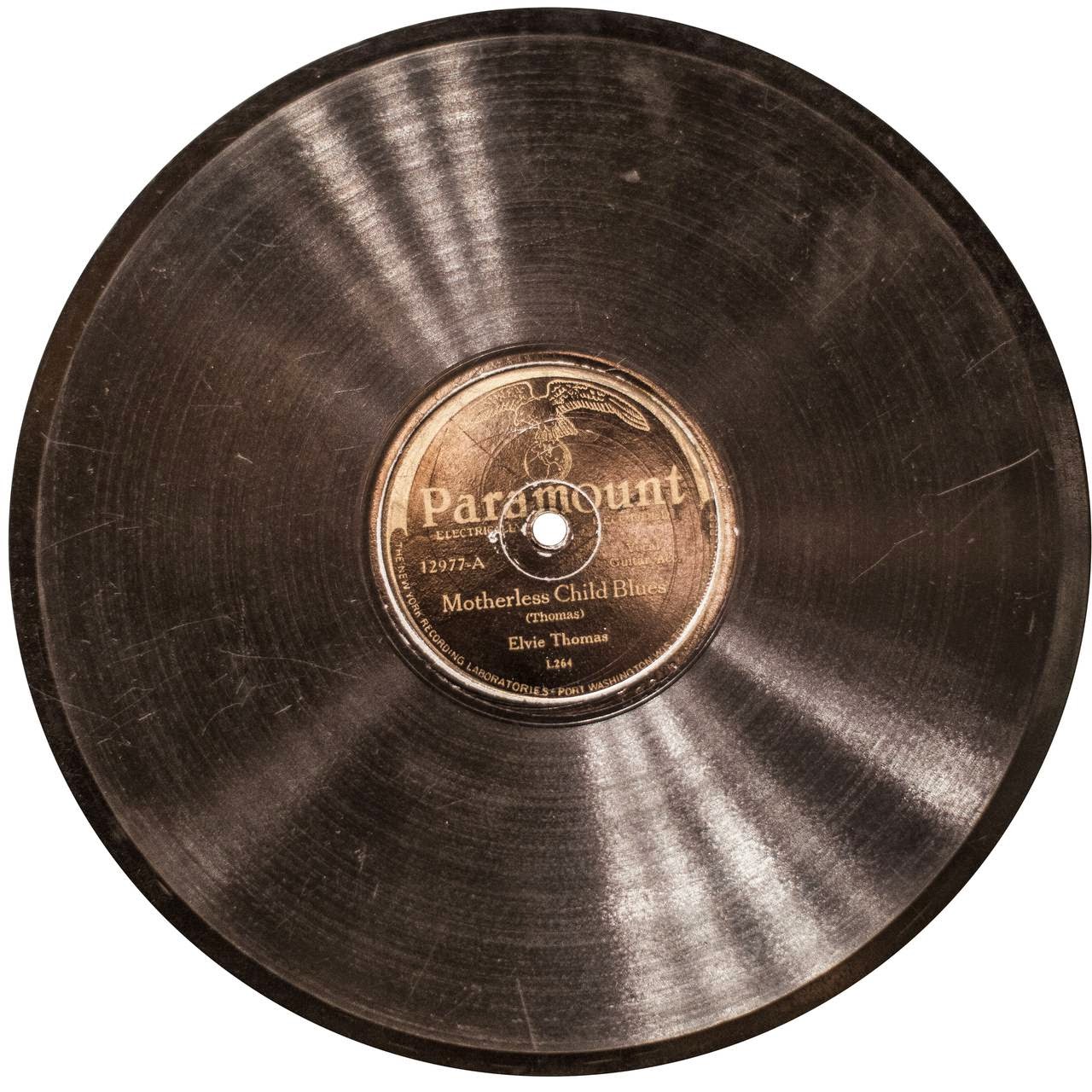
The New York Times recently published an evocative long-form article penned by John Jeremiah Sullivan about the enigmatic Geeshie Wiley and Elvie Thomas, woman blues musicians who haunt the archive with just six songs ever recorded, pressed on cheap, poor quality 78s by Paramount in 1930, as was the custom with “race” records not intended for mainstream markets.

I have been gripped on every listening by “Last Kind Words Blues” since I first heard it on the soundtrack to Crumb in the late ’90s (the same place Sullivan did), so I understood what Caitlyn Love, who did much of the the on-the-ground research for Sullivan, meant about its haunting her. From her blog:

When I first started doing research for John Jeremiah Sullivan for his article about Geeshie Wiley and Elvie Thomas, two women who changed American music and then vanished without a trace, I kept Wiley’s song “Last Kind Words Blues” on repeat for days. I hadn’t listened closely to her songs before this project, but I was aware of the mythology around them. Now, I found myself hearing something new: a haunting, a mystery.

I began my research splitting time between the Clayton Library Center for Genealogical Research, hunting among death, birth and marriage records, and the Houston Metropolitan Research Center, looking through old maps, photographs and city-directory records. All of these materials provided context for the era that Lillie Mae (Geetchie) Wiley and L.V. Thomas lived through.

Eventually we learned a great deal about Thomas’s personal history. But leads to Wiley went nowhere. I made myself dizzy scrolling through rolls of microfilm to find any meaningful clue. She had disappeared. The trail only picked up once, but it picked up sharply.

 “We may have found Geeshie’s grave yesterday. Not 100 percent but optimistic,” John wrote in an email to editors at the magazine.

Continue reading about Caitlyn Love’s quest HERE.

Read John Jeremiah Sullivan’s piece HERE – it’s beautifully written, and reflects in deep ways on the romance and violence of the archive.

And this is the short version of the story, from a Youtube comment posted last week:

It is now believed that Elvie (L.V. Thomas nee Grant) and Geechie (Lillie Mae Wiley) recorded all of their songs in Grafton, WI for Paramount in 1930. According to L.V., she would play and Geechie would “bass” behind her or she’d play (guitar) and Geechie would “bass” behind her. Thus, it might very well be Geechie we hear doing this fine guitar work. L.V. turned her back on the blues (life) and dedicated herself to her local church in Texas. Geeshie disappeared into the unknown. Recent records indicate she killed her husband with a knife in 1931. She may have changed her name/I.D. to avoid being found.

motherless child blues

elvis presley – make the world go away (take 1 and take 3)

An undubbed outtake from the June 1970 recording sessions for Elvis Country (I’m 10,000 Years Old), released as part of a rerelease of the album (Follow That Dream, 2008).  

I’m not a fan of Elvis in general – I mostly find his delivery way too glib. But in this session I can hear his fragility… I can hear he feels what he is singing deeply, and he would give anything to get the glibness back.

I was just thinking that it’s a common trajectory that an artist starts out passionate and edgy, becoming increasingly jaded, cynical and safe post-40 (anyone been keeping half an eye on Bob Dylan lately?). I think it was the other way round for Elvis, which is why he eventually imploded. I think something similar happened to Michael Jackson. They stopped believing in their own illusions, and it killed them.

joan didion, interviewed by linda kuehl in 1977

Here are some excerpts from an interview with Joan Didion that appeared in The Paris Review No. 74, Fall-Winter 1978. She talks about the performative violence of writing, and of the sometimes paralysing self-consciousness that attends it.

Reading her responses, I identified so personally that at points it felt like she could have been writing my own thoughts, down to the constrictions of that harsh Protestant ethic. But I’m not as strong as Joan. The nausea tends to silence me… except when it’s overwhelming: then, I vomit it out, sometimes all over unsuspecting passersby!

I especially liked what she says about how growing up in a dangerous landscape can affect one’s engagement with the world. I have often wondered whether I would be at all like I am if I hadn’t grown up in the turmoil of ’80s and ’90s South Africa. It wasn’t just about the weather, here.
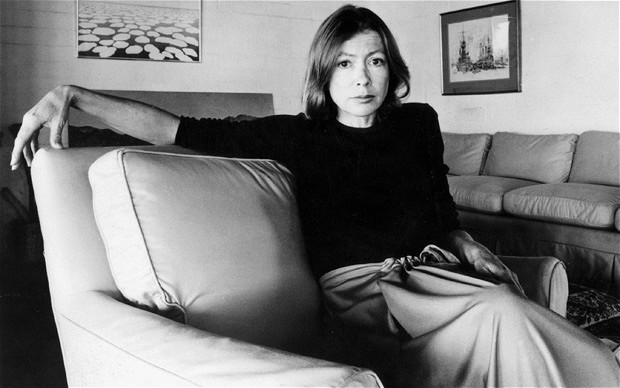
Joan Didion, 1977. Photo: REX FEATURES

Joan Didion, 1977. Photo: REX FEATURES

INTERVIEWER

You have said that writing is a hostile act; I have always wanted to ask you why.

JOAN DIDION

It’s hostile in that you’re trying to make somebody see something the way you see it, trying to impose your idea, your picture. It’s hostile to try to wrench around someone else’s mind that way. Quite often you want to tell somebody your dream, your nightmare. Well, nobody wants to hear about someone else’s dream, good or bad; nobody wants to walk around with it. The writer is always tricking the reader into listening to the dream.

INTERVIEWER

Are you conscious of the reader as you write? Do you write listening to the reader listening to you?

DIDION

Obviously I listen to a reader, but the only reader I hear is me. I am always writing to myself. So very possibly I’m committing an aggressive and hostile act toward myself.

INTERVIEWER

So when you ask, as you do in many nonfiction pieces, “Do you get the point?” you are really asking if you yourself get the point.

DIDION

Yes. Once in a while, when I first started to write pieces, I would try to write to a reader other than myself. I always failed. I would freeze up.

INTERVIEWER

You say you treasure privacy, that “being left alone and leaving others alone is regarded by members of my family as the highest form of human endeavor.” How does this mesh with writing personal essays, particularly the first column you did for Life where you felt it imperative to inform the reader that you were at the Royal Hawaiian Hotel in lieu of getting a divorce?

DIDION

I don’t know. I could say that I was writing to myself, and of course I was, but it’s a little more complicated than that. I mean the fact that eleven million people were going to see that page didn’t exactly escape my attention. There’s a lot of mystery to me about writing and performing and showing off in general. I know a singer who throws up every time she has to go onstage. But she still goes on.

INTERVIEWER

Did any writer influence you more than others?

DIDION

I always say Hemingway, because he taught me how sentences worked. When I was fifteen or sixteen I would type out his stories to learn how the sentences worked. I taught myself to type at the same time. A few years ago when I was teaching a course at Berkeley I reread A Farewell to Arms and fell right back into those sentences. I mean they’re perfect sentences. Very direct sentences, smooth rivers, clear water over granite, no sinkholes.

INTERVIEWER

You’ve called Henry James an influence.

DIDION

He wrote perfect sentences, too, but very indirect, very complicated. Sentences with sinkholes. You could drown in them. I wouldn’t dare to write one. I’m not even sure I’d dare to read James again. I loved those novels so much that I was paralyzed by them for a long time. All those possibilities. All that perfectly reconciled style. It made me afraid to put words down.

INTERVIEWER

I wonder if some of your nonfiction pieces aren’t shaped as a single Jamesian sentence.

DIDION

That would be the ideal, wouldn’t it. An entire piece—eight, ten, twenty pages—strung on a single sentence. Actually, the sentences in my nonfiction are far more complicated than the sentences in my fiction. More clauses. More semicolons. I don’t seem to hear that many clauses when I’m writing a novel.

INTERVIEWER

You have said that once you have your first sentence you’ve got your piece. That’s what Hemingway said. All he needed was his first sentence and he had his short story.

DIDION

What’s so hard about that first sentence is that you’re stuck with it. Everything else is going to flow out of that sentence. And by the time you’ve laid down the first two sentences, your options are all gone.

INTERVIEWER

The first is the gesture, the second is the commitment.

DIDION

Yes, and the last sentence in a piece is another adventure. It should open the piece up. It should make you go back and start reading from page one. That’s how it should be, but it doesn’t always work. I think of writing anything at all as a kind of high-wire act. The minute you start putting words on paper you’re eliminating possibilities. Unless you’re Henry James.

INTERVIEWER

I wonder if your ethic—what you call your “harsh Protestant ethic”—doesn’t close things up for you, doesn’t hinder your struggle to keep all the possibilities open.

DIDION

I suppose that’s part of the dynamic. I start a book and I want to make it perfect, want it to turn every color, want it to be the world. Ten pages in, I’ve already blown it, limited it, made it less, marred it. That’s very discouraging. I hate the book at that point. After a while I arrive at an accommodation: Well, it’s not the ideal, it’s not the perfect object I wanted to make, but maybe—if I go ahead and finish it anyway—I can get it right next time. Maybe I can have another chance.

INTERVIEWER

Have any women writers been strong influences?

DIDION

I think only in the sense of being models for a life, not for a style. I think that the Brontës probably encouraged my own delusions of theatricality. Something about George Eliot attracted me a great deal. I think I was not temperamentally attuned to either Jane Austen or Virginia Woolf.

INTERVIEWER

What are the disadvantages, if any, of being a woman writer?

DIDION

When I was starting to write—in the late fifties, early sixties—there was a kind of social tradition in which male novelists could operate. Hard drinkers, bad livers. Wives, wars, big fish, Africa, Paris, no second acts. A man who wrote novels had a role in the world, and he could play that role and do whatever he wanted behind it. A woman who wrote novels had no particular role. Women who wrote novels were quite often perceived as invalids. Carson McCullers, Jane Bowles. Flannery O’Connor, of course. Novels by women tended to be described, even by their publishers, as sensitive. I’m not sure this is so true anymore, but it certainly was at the time, and I didn’t much like it. I dealt with it the same way I deal with everything. I just tended my own garden, didn’t pay much attention, behaved—I suppose—deviously. I mean I didn’t actually let too many people know what I was doing.

INTERVIEWER

Advantages?

DIDION

The advantages would probably be precisely the same as the disadvantages. A certain amount of resistance is good for anybody. It keeps you awake.

INTERVIEWER

What misapprehensions, illusions and so forth have you had to struggle against in your life? In a commencement address you once said there were many.

DIDION

All kinds. I was one of those children who tended to perceive the world in terms of things read about it. I began with a literary idea of experience, and I still don’t know where all the lies are. For example, it may not be true that people who try to fly always burst into flames and fall. That may not be true at all. In fact people do fly, and land safely. But I don’t really believe that. I still see Icarus. I don’t seem to have a set of physical facts at my disposal, don’t seem to understand how things really work. I just have an idea of how they work, which is always trouble. As Henry James told us.

INTERVIEWER

You seem to live your life on the edge, or, at least, on the literary idea of the edge.

DIDION

Again, it’s a literary idea, and it derives from what engaged me imaginatively as a child. I can recall disapproving of the golden mean, always thinking there was more to be learned from the dark journey. The dark journey engaged me more. I once had in mind a very light novel, all surface, all conversations and memories and recollections of some people in Honolulu who were getting along fine, one or two misapprehensions about the past notwithstanding. Well, I’m working on that book now, but it’s not running that way at all. Not at all.

INTERVIEWER

It always turns into danger and apocalypse.

DIDION

Well, I grew up in a dangerous landscape. I think people are more affected than they know by landscapes and weather. Sacramento was a very extreme place. It was very flat, flatter than most people can imagine, and I still favor flat horizons. The weather in Sacramento was as extreme as the landscape. There were two rivers, and these rivers would flood in the winter and run dry in the summer. Winter was cold rain and tulle fog. Summer was 100 degrees, 105 degrees, 110 degrees. Those extremes affect the way you deal with the world. It so happens that if you’re a writer the extremes show up. They don’t if you sell insurance.

Reading the complete interview here: Joan Didion, The Art of Fiction No. 71.

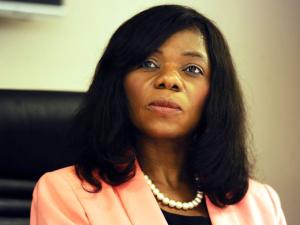
thuli madonsela’s letter to her 16-year-old self

This letter to her 16-year-old self gives insight into Thuli Madonsela‘s life before she became South Africa’s formidable Public Protector – one of the few current SA government office bearers who retain any integrity. Read her report on the misuse of public funds at the private residence of President Jacob Zuma at Nkandla. You can tell between the lines of this letter that she had to learn early in life to be comfortable with making unpopular choices to be able to do the things she believed in.

The following is an extract from From Me to Me: Letters to my 16-and-a-half-year old self (Jacana Media, 2012), a collection of letters written by South Africans to their teenage selves.

26 April 2012

Dear Thuli

thuliIt is April 2012, 5 months before our big 5-0 birthday. I am your future. At the moment, you are 16-and-a half years old, doing grade 11, known as form four then, at Evelyn Baring High School in Swaziland, the year being 1979. You are wondering what you will be, caught between thoughts of pursuing medicine and law. Your pastor’s disapproving views on the latter are not in any way helpful. I know you are socially awkward, plagued by a nagging feeling of being unloved and ugly.

Perhaps this comes from being teased about your big head and, more recently, two of your academically inferior classmates have started taunting you, too. Having two sisters whose beauty is always noticed and praised has not helped either. Secure in your academic prowess – for which you are always praised at home and at school – you are regarded as helpful and relied on by your family, friends, teachers and your church. This makes you feel significant. You will excel, academically, throughout your life and this will bring you to where you are right now. I’m writing to tell you to relax because you are a perfect expression of God’s magnificence.

You are the mother of two wonderful children, a beautiful daughter Wenzile Una and a handsome son Mbusowabantu “Wantu” Fidel. Your fears of being unlovable were unfounded. You have been loved and supported beyond measure throughout your life. Today, you are the nation’s Public Protector – a very responsible position that helps curb excesses in the exercise of public power while enabling the people to exact justice for state wrongs. You had the privilege of playing some role in bringing about change in this country, including the drafting of the new constitution that saw Nelson Mandela become the first black President. Mama was right, education is the great leveler. I’m glad I listened to her.

You have experienced tough times and great times, been met with nurturers and detractors, but all these life lessons have been necessary to help you bloom. You have come to realize that you are perfect for your life’s purpose. You’ve always been a dreamer, an eternal optimist. Keep dreaming, for dreams have wings. But live consciously and take time to smell the roses otherwise life will pass you by, including the opportunity to appreciate the finite precious moments you will enjoy with your late partner, younger sisters and parents.

Above all, remember that love is everything and don’t forget to forgive yourself and others.

Love you unconditionally,

Thuli Nomkhosi Madonsela (Your older Self)

3600 a day – asanda kaka & valentina argirò

It is estimated that over 50% of South African women will be raped in their lifetime and that only 1 in 9 rapes are reported. It is also estimated that only 14% of perpetrators of reported rape are convicted in South Africa.

asanda kaka - 3600 per day2

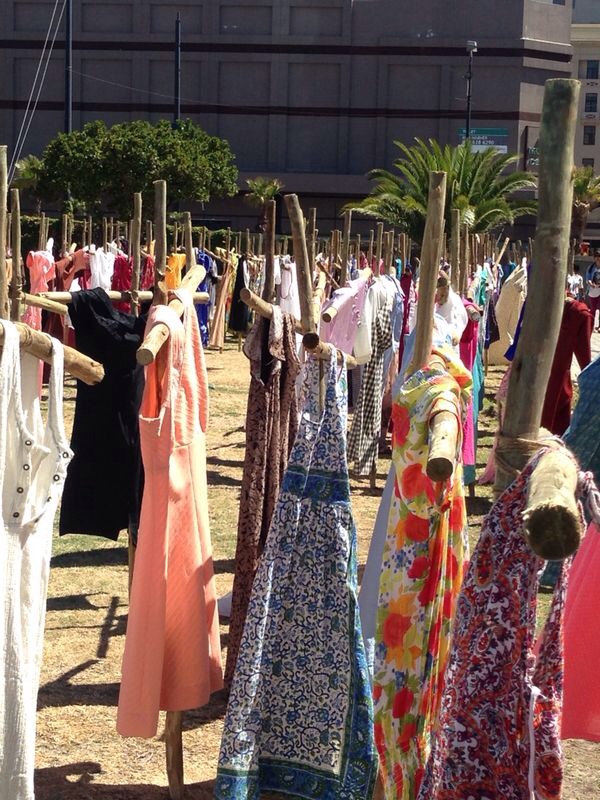
The installation “3600 A Day” at Infecting The City – Cape Town, 2014. Photo: Asanda Kaka

This past week, I experienced a powerfully evocative art installation by Asanda Kaka and Valentina Argirò addressing (no pun intended!) the silent magnitude of this scourge during Cape Town’s annual public arts festival, Infecting The City.

On approaching the rows of dresses hung on crosses, one’s face materialises in mirrors positioned in the “head” space above the dresses, making it impossible to distance one’s own body from the figures represented.

Venue: Cape Town Station
Date: 14 & 15 MARCH 2014

asanda kaka - 3600 per day

The installation “3600 A Day” at Infecting The City – Cape Town, March 2014. Photo: Asanda Kaka

ARTISTS’ STATEMENT

According to a report issued by UNISA, at least one rape case is reported every four minutes in South Africa – this translates into approximately 360 cases per day. 3600 A Day is an installation of women’s’ clothes, donated by women in support of the project. The exaggerated number of 3600 serves to highlight the magnitude of the problem and the number of unreported cases of violence against women and children. In a visual shock of magnitude, the installation warns against the normalisation of such violence.

Installed on crosses, the dresses represent the individual, yet also communal impact that abuse has on all women and children in this country. Reflected in the mirrors on top of the crosses are the faces of those who approach – possible victims, perpetrators or bystanders.

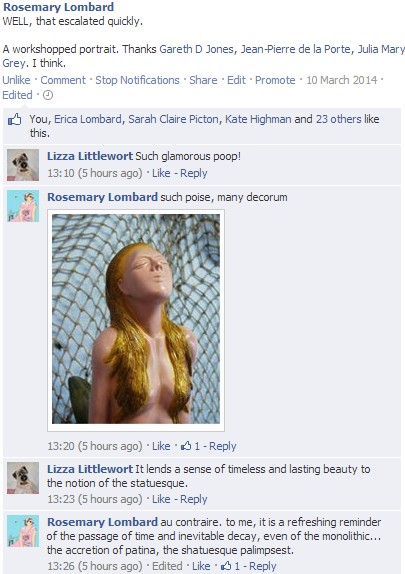
well, that escalated quickly.

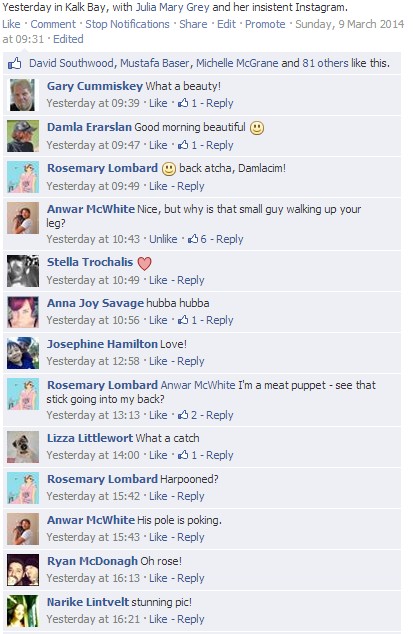
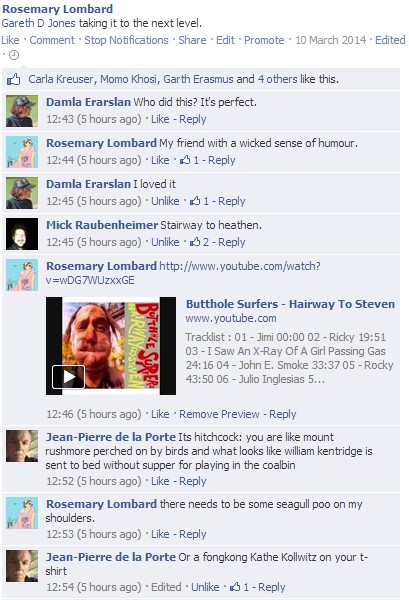
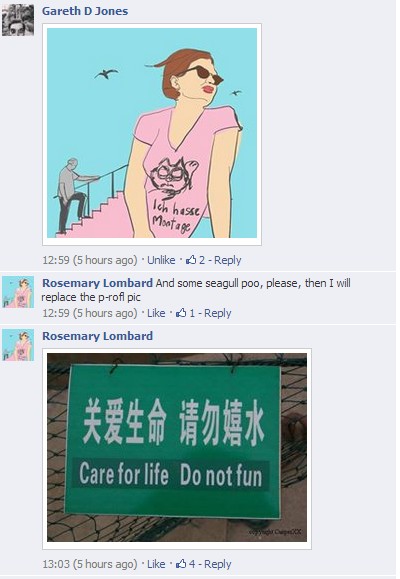
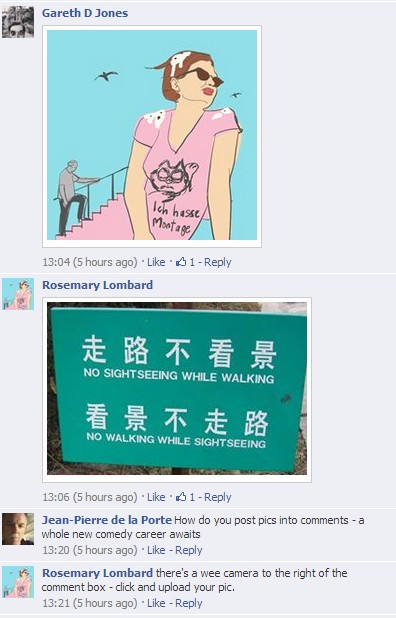
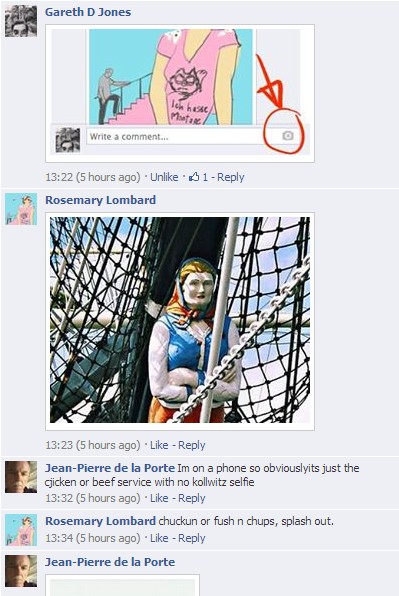
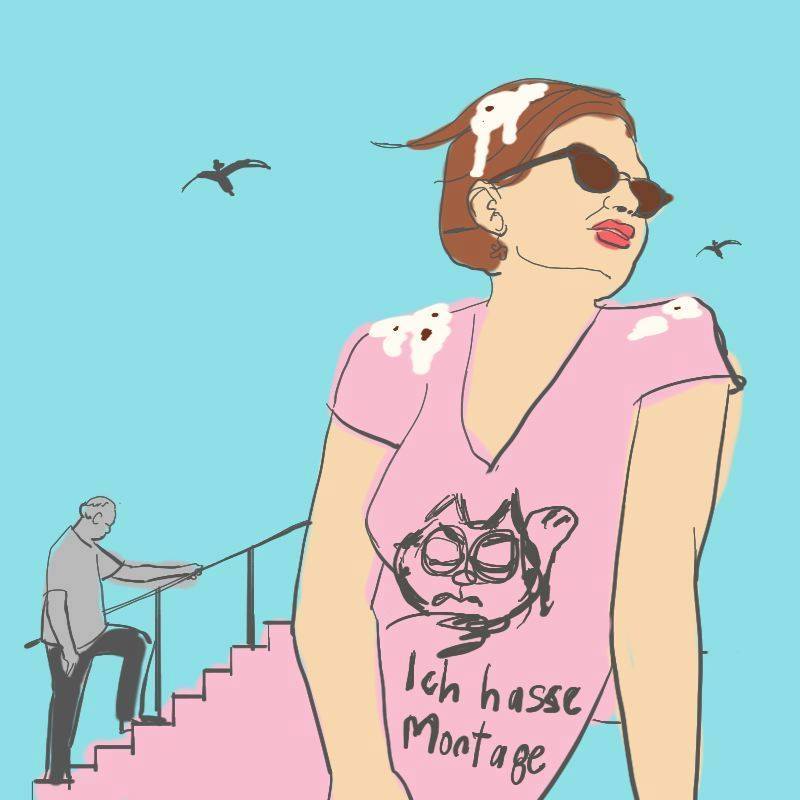
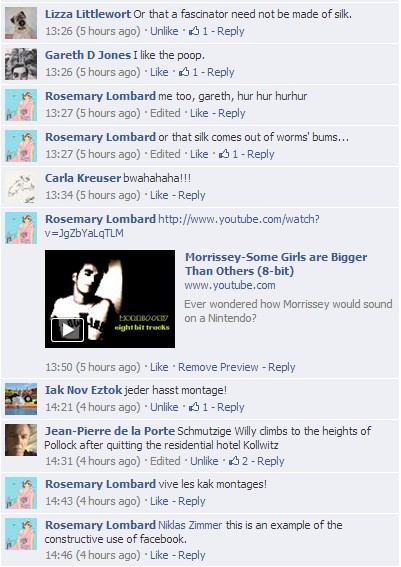
This is what Facebook is really for. Here is a funny conversation that evolved into a collaborative portrait in layers on my wall over a few hours today, a particularly suffocating Monday. I’m keeping this as a snapshot of what creative people used to do when bored silly with social media in 2014.

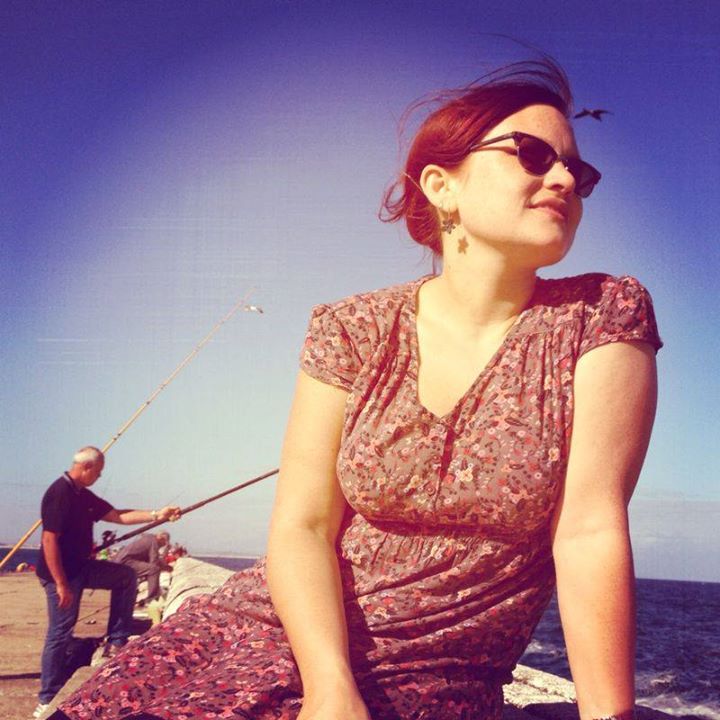
Photo by Julia Mary Grey, Kalk Bay harbour, Saturday 8 March, 2014

Photo by Julia Mary Grey, Kalk Bay harbour, Saturday 8 March, 2014

sea 1 comments

sea 2

By Gareth Jones,  in response to comments under the original image

sea 2a
sea 2b

sea 2c

sea 2d

By Jean-Pierre Delaporte

By Jean-Pierre de la Porte

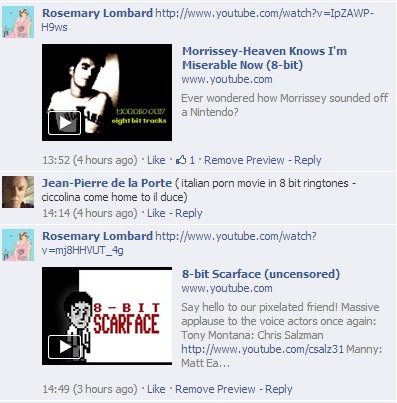
http://youtu.be/IpZAWP-H9ws

sea 2e

Meanwhile, on another thread…

sea 3

By Gareth Jones, third iteration, after further comments under his first drawing

sea 3a

sea 3b

http://youtu.be/JgZbYaLqTLM

sea 3c

sea 3d

chhoun vanna – toa thea youm chlong (birds are singing but my lover won’t return)

http://youtu.be/SDCWjHHel78

“The birds are chirping, to and fro
My love, have you forgotten me?
As water can’t cut through the sand
I can’t cut you from my memories
The bridge (between you and I) has broken
The pathway is gone, and the water is so very deep
How am I to find you on the other side, so far away?”

Chhoun Vanna was a Cambodian singer between the 1950s and ’70s. She and her sister Chhoun Malai survived the Khmer Rouge genocide.